Navigating the modern headphone market can feel like trying to decode a complex acoustic puzzle. With manufacturers constantly iterating on driver technologies, wireless protocols, and ergonomic designs, finding the perfect pair is no longer about simply choosing a recognizable brand name. Buyers frequently run into a wall of jargon—balancing impedance ratings, frequency response curves, and active noise cancellation algorithms—without understanding how these specifications translate to their daily listening habits. To find the right gear, you must first define your primary use case, whether that is high-fidelity studio production, intense physical training, or immersive gaming.
The single biggest mistake most buyers make is purchasing a multi-purpose headphone expecting master-of-all performance. A pair of studio-grade open-backs will sound breathtaking in a quiet room, but they are entirely useless on a noisy subway commute where sound isolation is non-existent. Similarly, sports-centric earbuds built to withstand moisture prioritize secure fit and ruggedness over the ultra-wide soundstage required for analytical listening. Understanding the physical and acoustic compromises inherent to headphone design is the key to making a purchase you will not regret. As we navigate the audio landscape of 2026, the sheer variety of specialized drivers and form factors can overwhelm even seasoned tech buyers, making targeted research more critical than ever.
As an Amazon Associate we earn from qualifying purchases at no extra cost to you.


Our Top Picks
 Sony WH-1000XM5 Premium Noise Cancelling Wireless HeadphonesOne Size8.85 x 3.03 x 10.36 Inches0.6 poundsCheck on Amazon
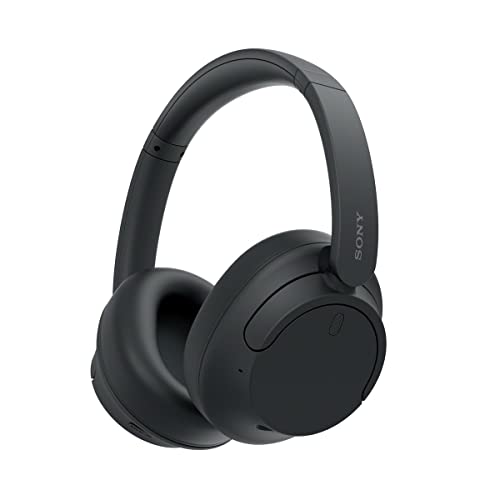 Sony WH-CH720N Wireless Noise Cancelling Over-Ear HeadphonesOne Size8.2 x 2.2 x 9.3 Inches0.2 PoundsCheck on Amazon
Top 3 picks at a glance
Start Here: Which Headphones Guide Do You Need?
Use the directory below to find our comprehensive, in-depth reviews tailored to your specific lifestyle, profession, or performance needs.
| Guide | Best For | Typical Budget |
|---|---|---|
| most durable headphones | Users prone to dropping gear or working in harsh environments | Mid to Premium |
| surround sound headphones | Immersive gaming and cinematic home theater setups | Mid to Premium |
| drum headphones | Musicians needing high isolation and clear click-track monitoring | Mid |
| podcast headphones | Content creators requiring vocal clarity and zero bleed | Budget to Mid |
| ASMR headphones | Listeners seeking ultra-low noise floors and delicate treble details | Budget to Mid |
| swimming headphones | Lap swimmers requiring waterproof bone-conduction or in-ear designs | Mid |
| hearing protection headphones | Industrial work, shooting ranges, or loud construction environments | Mid to Premium |
| clip-on headphones | Minimalist listeners who dislike headbands or deep in-ear tips | Budget |
| DJ headphones | Professional club performance, high volume monitoring, and single-ear mixing | Mid to Premium |
| cat ear headphones | Streamers and gamers looking for a playful, customizable aesthetic | Budget to Mid |
| Bose headphones | Frequent flyers and commuters demanding industry-leading noise cancellation | Premium |
| most comfortable headphones | All-day office wear, long gaming sessions, and sensitive ears | Mid to Premium |
| running earbuds and headphones | Athletes requiring stability, sweat resistance, and ambient awareness | Mid |
| waterproof headphones | All-weather outdoor training and heavy sweat resistance | Mid |
| travel headphones | Long-haul flights, packability, and exceptional battery life | Mid to Premium |
| budget DJ headphones | Beginner performers and bedroom mixers looking for high durability on a budget | Budget |
| planar magnetic headphones | Audiophiles demanding ultra-fast transient response and low distortion | Premium |
| open-back headphones | Critical home listening with an airy, natural, and wide soundstage | Mid to Premium |
| bass headphones | Electronic and hip-hop enthusiasts craving powerful sub-bass response | Budget to Mid |
Professional, Studio, and Creator Audio Gear
For creators, musicians, and audio engineers, headphones are not just listening devices—they are critical tools of the trade. In these professional environments, the decisive specification is frequency neutrality and acoustic isolation. When mixing in a loud club, professionals rely on heavy-duty DJ headphones designed to handle massive input signals without distortion, featuring swiveling earcups for single-ear monitoring. Beginners can find similar physical layouts and high-volume capabilities in our curated selection of budget DJ headphones. Meanwhile, recording artists and instrumentalists have vastly different needs. Those behind a kit require specialized drum headphones that offer massive passive noise reduction to protect their hearing from acoustic drums while delivering a clear monitor mix. For digital creators, vocal clarity and comfort are paramount, which is why podcast headphones focus heavily on mid-range accuracy and preventing microphone bleed. Finally, for the ultimate in low-distortion studio reproduction, planar magnetic headphones utilize ultra-thin diaphragms suspended in a magnetic field to deliver unmatched speed and detail across the entire frequency spectrum.
Audiophile, High-Fidelity, and Casual Listening
If your goal is pure musical enjoyment, your search should focus on acoustic design and driver characteristics. The decisive factor here is the acoustic chamber style. For home listeners who want the most natural, three-dimensional presentation of their music, open-back headphones are the gold standard because they allow air to pass through the earcups, eliminating internal reflections and widening the soundstage. However, if your musical tastes lean toward modern electronic genres, hip-hop, or cinematic scores, you will likely prefer bass headphones, which are specifically tuned to deliver visceral, deep sub-bass rumble without muddying the vocal frequencies. Gamers and movie buffs seeking spatial awareness should look toward surround sound headphones, which use multi-driver arrays or sophisticated virtual processing to pinpoint directional audio cues. For those who prioritize premium active noise cancellation (ANC) and a smooth, fatigue-free sound signature during daily life, our guide to Bose headphones highlights the gold standard in acoustic isolation technology.
Active, Sports, and Rugged Environments
When taking your audio on the road, into the gym, or out into the elements, physical durability and environmental resistance ratings are the key specifications. For water sports, swimming headphones utilize high IP ratings (typically IPX8) and bone-conduction technology to deliver audio through the cheekbones, bypassing the ear canal entirely while underwater. Runners and gym-goers require a secure fit that resists movement during high-impact training, making running earbuds and headphones the ideal choice for keeping your music locked in place. If your workouts involve unpredictable weather or heavy sweat, targeting general waterproof headphones ensures your electronics remain protected against moisture damage. For industrial workers or DIY enthusiasts, hearing protection headphones combine high-grade passive physical barriers with built-in volume limiters to keep your ears safe in loud environments. Finally, if you simply want a pair of daily drivers that can survive being tossed into a backpack without a case, investing in the most durable headphones featuring reinforced metal headbands and detachable cables is a smart long-term decision.
Comfort, Convenience, and Lifestyle Aesthetics
Sometimes, the physical experience of wearing a headphone is just as important as the sound it produces. In this category, clamping force, weight distribution, and ear cushion materials are the decisive specifications. Those who suffer from ear fatigue or wear glasses for hours on end will benefit most from the most comfortable headphones, which utilize premium memory foam and breathable fabrics to minimize pressure points. For travelers, space is at a premium; travel headphones focus on folding designs, long battery life, and active noise cancellation to make long transits tolerable. If you prefer a completely weightless feel without anything entering your ear canal or pressing on your skull, clip-on headphones offer a retro, ultra-lightweight alternative. For late-night relaxation, ASMR headphones feature an incredibly quiet noise floor and low-profile designs that let you rest your head on a pillow comfortably. Lastly, for those looking to express their personal style on camera, cat ear headphones combine high-quality audio drivers with customizable RGB lighting and playful external designs.
How to Choose Headphones: 5 Rules
- Match the Acoustic Design to Your Environment: Choose closed-back designs if you need isolation from outside noise or want to prevent your music from leaking out. Choose open-back designs only for quiet, private spaces where you want a wider, more natural soundstage.
- Verify the IP Rating for Active Use: Never assume a headphone is sweatproof. Look for an explicit IP (Ingress Protection) rating; IPX4 is the minimum required for sweat resistance, while IPX7 or IPX8 is mandatory for submersion and swimming.
- Check Impedance and Sensitivity Before Buying: High-impedance headphones (typically over 80 ohms) require a dedicated amplifier to sound their best. If you plan to plug directly into a phone, laptop, or controller, stick to low-impedance, high-sensitivity models.
- Prioritize Fit and Clamping Force Over Features: Even the best-sounding headphones are useless if they cause pain after thirty minutes. Pay close attention to headband padding, earcup depth, and total weight, especially if you wear glasses.
- Don’t Overpay for Features You Won’t Use: If you only listen to music in a quiet office, you do not need to pay a premium for military-grade durability or heavy active noise cancellation. Allocate your budget toward driver quality instead.
FAQ
What is the difference between open-back and closed-back headphones?
Open-back headphones have earcups with perforated backs that allow air and sound to pass freely, creating a wider and more natural audio presentation at the expense of sound leakage. Closed-back headphones are completely sealed, trapping sound inside to provide excellent passive noise isolation and more powerful bass response.
Do I need an external amplifier for my headphones?
You only need an external amplifier if your headphones have high impedance (usually rated above 80 ohms) or low sensitivity. Most consumer, sports, and wireless headphones are designed with low impedance so they can be easily driven by smartphones, laptops, and gaming controllers without extra equipment.
How does bone conduction headphone technology work?
Bone conduction headphones bypass your eardrums entirely by sending sound vibrations directly through your cheekbones to your inner ear (cochlea). This open-ear design allows you to remain fully aware of your physical surroundings, making it highly popular for outdoor running and swimming.
What does the IPX rating mean for waterproof headphones?
The IPX rating measures a device’s resistance to liquids on a scale from zero to eight. An IPX4 rating protects against splashing water from any direction, IPX7 allows for temporary immersion in water up to one meter, and IPX8 guarantees protection during continuous underwater use, such as lap swimming.