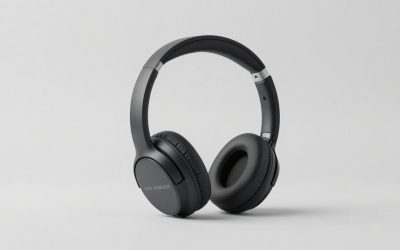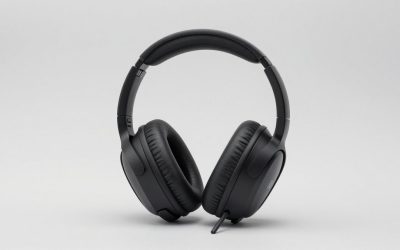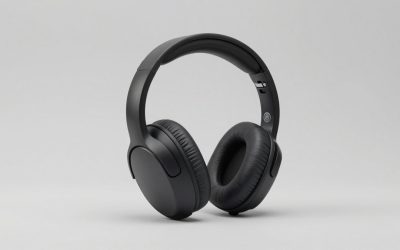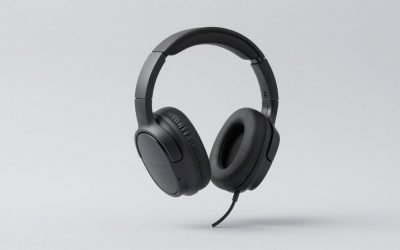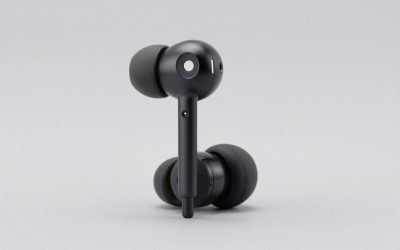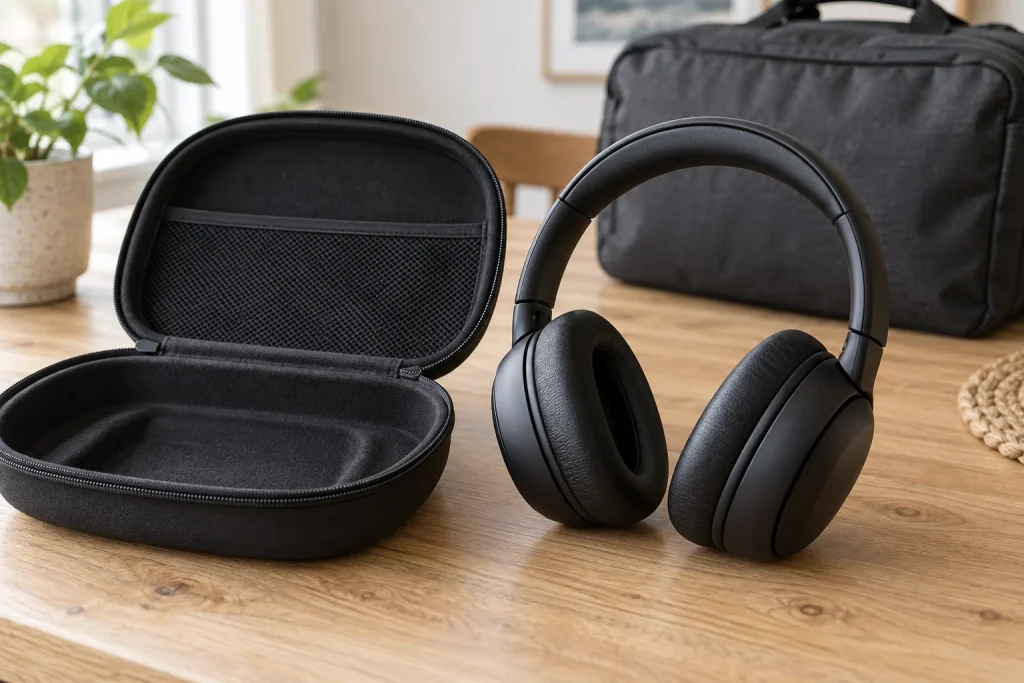
Flying with the wrong headphones is a specific kind of misery. You pay good money for a seat, expect to zone out with a podcast or a movie, and instead you get a faint hiss leaking through the cushion while the cabin drone swallows half the dialogue. Across long-haul and regional travel, the pattern is consistent: the best travel headphones are not the ones with the most features, but the ones that disappear from your attention within ten minutes of wearing them.
What separates a genuinely great travel pair from a mediocre one comes down to a handful of hard-to-fake qualities. Passive isolation from the ear pad seal, the way an ANC system handles low-frequency rumble versus sharp transients like a crying infant, comfort over two to three continuous hours, and whether the case fits a seat-back pocket without drama. This list covers eight options at wildly different price points, because the right answer depends entirely on how often you travel and what you are willing to tolerate.
As an Amazon Associate we earn from qualifying purchases at no extra cost to you.





Our Top Picks
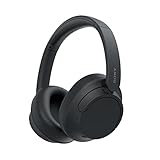
 Sony WH-CH520 Wireless On-Ear Bluetooth Headphones with MicrophoneOne Size6.8 x 1.8 x 7.8 Inches0.7 poundsCheck on Amazon
 Sony ZX Series Wired On-Ear Headphones7.87 x 1.81 x 5.87 inches5.87 x 1.81 x 7.87 Inches0.57 PoundsCheck on Amazon
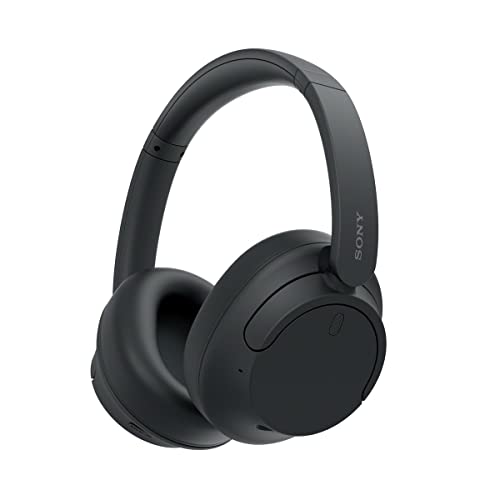 Sony WH-CH720N Wireless Noise Cancelling Over-Ear HeadphonesOne Size8.2 x 2.2 x 9.3 Inches0.2 PoundsCheck on Amazon


Top 3 picks at a glance
Quick Picks
| Product | Best for | Price |
|---|---|---|
| Soundcore Q20i (Black) | Fully-featured ANC on a tight budget | Check on Amazon |
| Sony WH-CH520 | Lightweight commuting without ANC | Budget |
| Soundcore Q20i (White) | Same value with a lighter aesthetic | Check on Amazon |
| Bose QuietComfort Headphones | Long-haul comfort and refined noise cancellation | Premium |
| Sony MDR-ZX110 | Backups, emergencies, or kids’ carry-on | Check on Amazon |
| Sony WH-CH720N | Best mid-range ANC | Mid-range |
| Apple AirPods Pro 3 | Pocketable storage and seamless Apple integration | Premium |
| Beats Studio Pro | Wired lossless audio with ANC | Check on Amazon |
How We Compared
We evaluated every pair against four criteria that actually matter on a plane or train. First, noise cancellation quality: not just the decibel reduction figure but how the algorithm handles inconsistent, noisy cabin environments. Second, comfort over extended sessions: headband clamping force, ear pad material, and weight distribution. Third, battery endurance with ANC active, because a dead battery at 35,000 feet is a real problem. Fourth, case size and whether the whole package fits under a seat or in a small bag. Price-to-performance was the tiebreaker, which is why budget options appear alongside premium ones here.
The 8 Best Travel Headphones in 2026
Soundcore Q20i (Black)
For anyone who wants real active noise cancellation on a budget, the Soundcore Q20i is the obvious starting point. It handles cabin drone with authority and its hybrid ANC system does a credible job of flattening the constant engine rumble that makes cheap on-ears miserable. The companion app lets you tune EQ, which is a genuinely useful feature at this price. Comfort is respectable for the class, with memory foam pads that seal reasonably well even for larger heads.
- Pro: Hybrid ANC effectively reduces low-frequency cabin noise.
- Pro: App-based EQ and transparency mode at a budget price.
- Con: Plastic headband creaks slightly when adjusting.
Skip this if you need premium materials or if you dislike a slightly tight clamping force during the first hour of adjustment.
Sony WH-CH520
The Sony WH-CH520 is the headphone you grab when you do not need noise cancellation but you do need something that weighs almost nothing and lasts forever on a charge. It is ideal for train commuters, short regional flights, or anyone who wants to stay aware of announcements without carrying a full ANC pair. The 50-plus hour battery life means you rarely need to charge it, which is genuinely liberating for travel.
- Pro: Extremely light and comfortable for all-day wear.
- Pro: Outstanding battery life with Bluetooth multipoint.
- Con: No noise cancellation; cabin noise passes through the on-ear pads.
Skip this if you fly long-haul or if your primary use is a noisy aircraft cabin.
Soundcore Q20i (White)
The white Soundcore Q20i is mechanically identical to the black version, so the buying decision here is purely aesthetic. It is listed separately because some users prefer the white finish, and it sits in the same price tier. Performance-wise you get the same hybrid ANC, the same 40-hour battery with cancellation active, and the same solid tuning out of the box. The lighter color does show scuffs and dust faster, so treat that as a tradeoff.
- Pro: Same ANC performance as the black model at identical price.
- Pro: Clean, modern look that stands out in a sea of black plastic.
- Con: The lighter finish shows dirt and scuffs faster with heavy use.
Skip this if you are rough on gear and care about appearance over time.
Bose QuietComfort Headphones
If you fly more than five times a year, the Bose QuietComfort headphones are a strong premium upgrade. The ear cushions are deep and plush without being bulky, and the 24-hour battery covers any realistic itinerary including layovers. The USB-C charging means one less proprietary cable to pack.
- Pro: Industry-leading comfort and natural-feeling noise cancellation.
- Pro: Deep bass response that still sounds balanced for dialogue.
- Con: Premium price well above the budget options.
Skip this if you travel only once or twice a year and want a value-first approach.
Sony MDR-ZX110
The Sony MDR-ZX110 is not a travel headphone by any traditional definition, but it earns a spot here as the perfect emergency or backup pair. At a budget price you can toss one in a laptop bag without thinking, and if your primary pair dies on a layover you still have a functional connection to the seatback entertainment system. The sound is basic but clear, and they fold flat enough to disappear in a pocket.
- Pro: Inexpensive enough to keep as a dedicated backup.
- Pro: Flat-fold design takes up almost no space.
- Con: No noise isolation, no wireless, thin build that will not survive years of use.
Skip this if you want a primary pair for any trip longer than an hour.
Sony WH-CH720N
The Sony WH-CH720N occupies the sweet spot between budget and premium. It borrows the integrated processor V1 from Sony’s flagship line and delivers noise cancellation that punches well above its price class. At just under 200 grams it is among the lightest ANC over-ears on this list, which matters on a four-hour flight. The multipoint Bluetooth connection lets you pair a phone and laptop simultaneously, handy when your itinerary involves both.
- Pro: Excellent ANC for the price, with low pressure feeling.
- Pro: Lightest over-ear ANC pair here, ideal for smaller heads.
- Con: Ear pads are shallower than Bose, so larger ears may rest on the driver housing.
Skip this if you have larger ears or want the absolute longest battery life.
Apple AirPods Pro 3
For travelers who refuse to carry anything larger than a pocket, the AirPods Pro 3 are the definitive choice. The active noise cancellation has improved meaningfully over the previous generation and now handles cabin drone very effectively. The stem design stays put through sleep and turbulence alike, and the case slides into any jeans pocket. With up to 8 hours of ANC playback per charge plus the case reservoir, you will not run dry on a domestic flight.
- Pro: Smallest package here by far, fits anywhere.
- Pro: ANC quality that rivals many over-ear pairs.
- Con: Less passive isolation than a clamped over-ear, so sharp transients still bleed through.
Skip this if you find in-ear tips uncomfortable or if you want maximum isolation on wide-body jets.
Beats Studio Pro
The Beats Studio Pro are a compelling option if you want ANC over-ears that also support USB-C lossless audio, which is a genuinely rare feature in wireless headphones. That wired lossless mode is useful for downloaded music on a phone or laptop, while the included 3.5 mm cable handles seatback entertainment. The 40-hour battery with ANC off means you will rarely need to charge mid-trip.
- Pro: USB-C lossless audio mode for wired listening from a phone or laptop.
- Pro: Compatible with both Apple and Android, no ecosystem lock-in.
- Con: ANC strength trails the Bose and Sony pairs here.
Skip this if the primary reason you are upgrading is noise cancellation rather than wired audio quality.
More Travel Headphones Worth Considering
The eight picks above cover budget, mid-range and pocketable options, but they skip some of the most popular flagship travel headphones and a few strong-value ANC models. The six additions below fill those gaps, from the strongest noise cancellers available in 2026 to long-battery budget pairs.
Sony WH-1000XM6

The WH-1000XM6 is Sony’s current flagship and the headphone most travel roundups name for raw noise cancellation. It suits frequent long-haul flyers who want the strongest possible reduction of engine drone and cabin chatter and are willing to pay for it.
Sony uses a 12-microphone array and its HD Noise Cancelling Processor QN3 to adapt cancellation to changing noise in real time. Battery life is rated at up to 30 hours with ANC on and around 40 hours with it off, enough for a round trip across the Pacific without charging. Importantly for travelers, the XM6 brings back a folding design, so it packs smaller than the previous model, and it comes with a hard carrying case.
It weighs about 254 g, supports Bluetooth multipoint for a phone and laptop at once, and handles LDAC for higher-quality wireless audio from compatible Android devices. A 3.5 mm cable lets you plug into seatback entertainment when needed.
Strengths: class-leading ANC, a folding design with a compact case, strong battery life and a full feature set in Sony’s app. Drawbacks: the premium price tier, and some listeners find the clamp and pads less plush than Bose for very long wear. Compared with the Bose QuietComfort Headphones in our main list, the XM6 cancels more noise and adds newer features, but costs considerably more.
Bose QuietComfort Ultra Headphones (2nd Gen)

The second-generation QC Ultra Headphones are Bose’s flagship, and they are the pick for travelers who rank comfort as highly as noise cancellation. Several major travel guides favor them over Sony for long flights because of their lighter feel and plush pads.
Bose rates battery life at up to 30 hours, a clear improvement over the first generation’s 24 hours. The ANC is among the strongest available, and Bose’s CustomTune system calibrates the sound and cancellation to your ears each time you put them on. Immersive Audio adds spatial processing for movies, and a Cinema mode tunes the sound for in-flight entertainment and streaming.
A major travel upgrade is wired audio support. You can listen over USB-C for lossless audio from a phone or laptop, or use a 3.5 mm cable for seatback screens, and noise cancellation can stay active in wired mode. Multipoint Bluetooth and a travel case with a storage pocket round out the package.
Strengths: excellent comfort over long flights, top-tier ANC, longer battery life than before, and flexible wired options. Drawbacks: the premium price tier and a design that is bulkier than earbuds. Against the standard Bose QuietComfort Headphones in our main list, the Ultra adds stronger ANC, spatial audio, USB-C audio and more battery life at a higher price.
Sennheiser Momentum 4 Wireless

The Momentum 4 Wireless is the battery-life champion among premium travel headphones. It suits travelers on multi-leg itineraries, or anyone who forgets to charge, and listeners who care about sound quality as much as cancellation.
Sennheiser rates the battery at up to 60 hours, roughly double many rivals. Adaptive ANC adjusts to your surroundings, and a transparent hearing mode lets announcements through. It supports multipoint Bluetooth and aptX Adaptive, and the Smart Control app offers a detailed EQ. A 3.5 mm cable is included for wired use.
The sound is warm, detailed and well balanced, and many listeners prefer it to Sony and Bose for music. The design uses ear cups that swivel flat rather than folding inward, so the included case is larger than the XM6’s.
Strengths: outstanding battery life, excellent sound, adaptive ANC and a premium-but-understated look. Drawbacks: noise cancellation is very good but a step behind the Sony and Bose flagships, touch controls can take some getting used to, and it packs larger than folding designs. Compared with the Beats Studio Pro in our main list, it offers far longer battery life and stronger ANC.
Sony WH-1000XM5

The WH-1000XM5 was Sony’s flagship until the XM6 arrived, and it is now one of the best-value premium travel headphones because it often sells well below its original price. It suits travelers who want near-flagship ANC and comfort without paying for the newest model.
It uses eight microphones, Sony’s QN1 noise cancelling processor and Integrated Processor V1 to deliver strong cancellation that still holds up well against newer rivals. Battery life is rated at up to 30 hours with ANC on, and a short quick charge adds several hours of playback. It supports multipoint Bluetooth, LDAC and Sony’s adaptive sound controls.
The XM5 is light at about 250 g, with soft synthetic leather pads and a gentle clamp that many listeners find comfortable for long flights. The main travel drawback is that the ear cups swivel flat but do not fold inward, so its case is larger than the XM6’s.
Strengths: excellent ANC for the money, light and comfortable fit, long battery life and a mature app. Drawbacks: the non-folding design and bulkier case, and its ANC trails the XM6 and Bose QC Ultra slightly. Compared with the Sony WH-CH720N in our main list, it is a clear step up in cancellation, comfort and sound, while costing more.
Soundcore Space One

The Soundcore Space One sits between the budget Q20i and the premium flagships. It suits travelers who want noticeably stronger cancellation and a more refined build than entry-level ANC headphones, but at a budget-to-mid price.
Soundcore rates the battery at up to 40 hours with ANC on and longer with it off, and a short charge adds hours of playback. Its adaptive ANC focuses on reducing voices as well as low-frequency rumble, a useful trait on busy flights and trains. It supports LDAC, multipoint Bluetooth and a wired 3.5 mm connection, and the Soundcore app offers EQ and ANC customization.
The headphones fold for travel and use soft protein leather pads that are comfortable for most head sizes. The build is plastic but feels solid for the price class.
Strengths: strong ANC for the money, long battery life, LDAC and multipoint, and a foldable design. Drawbacks: noise cancellation trails the premium flagships and the plastic build looks less upscale than metal-accented rivals. Against the Soundcore Q20i in our main list, it adds stronger and more adaptive ANC, better comfort and improved sound for a modest price increase.
EarFun Wave Pro

The EarFun Wave Pro is a budget over-ear ANC headphone that punches above its price, particularly on battery life. It suits budget-conscious travelers who want very long playback and a hard case without spending mid-range money.
EarFun rates the battery at up to around 52 hours with ANC on and longer with it off, so it can cover several flights between charges. It supports multipoint Bluetooth and LDAC, uses multiple microphones for ANC and calls, and includes a hard-shell carrying case. It weighs about 268 g.
The noise cancellation is effective for the class, handling engine rumble well, though it cannot match the flagships on voices and higher-frequency sounds. The sound is lively, with a bass-forward default tuning that can be adjusted in the app.
Strengths: excellent battery life, LDAC and multipoint, a hard case, and a low price. Drawbacks: plastic construction that does not feel premium, ANC that trails pricier models, and a heavier build than the Sony WH-CH720N. Compared with the Soundcore Q20i, it offers longer battery life and a hard case at a similar budget price.
Buying Guide
Noise Cancellation: Strength Versus Comfort
Raw decibel reduction is not the whole story. Some ANC systems achieve high noise reduction by creating a noticeable pressure seal against your eardrum, which causes fatigue or headaches after two hours. The best travel headphones balance effectiveness with a natural feel. Look for hybrid systems (combining feedforward and feedback microphones) and test for a few minutes in a quiet room to check for hiss or pumping artifacts before committing to a long flight.
Comfort Metrics That Matter
Weight, clamping force, and ear pad depth determine whether a pair survives a five-hour session. Anything under 260 grams with well-distributed clamping will feel comfortable for most people. Deeper ear cups that fully enclose the ear reduce pressure points, while on-ear designs concentrate weight on the outer ear cartilage. If you wear glasses, check whether the ear pad channel accommodates temple arms without breaking the seal.
Battery Life and Charging Practicality
With ANC active, a real-world minimum is 20 hours; anything less creates anxiety on round-trip itineraries. USB-C charging is now table stakes and simplifies packing. A quick-charge feature that adds several hours of playback from a short plug-in is useful when you forget to charge overnight. If you buy earbuds, confirm the case adds at least 12 more hours beyond the buds themselves.
How the Additional Picks Compare
| Headphone | Rated battery (ANC on) | Folds inward | Wired option | Multipoint | Price tier |
|---|---|---|---|---|---|
| Sony WH-1000XM6 | Up to 30 hours | Yes | 3.5 mm | Yes | Premium |
| Bose QuietComfort Ultra (2nd Gen) | Up to 30 hours | Yes | 3.5 mm and USB-C audio | Yes | Premium |
| Sennheiser Momentum 4 Wireless | Up to 60 hours | No, swivels flat | 3.5 mm | Yes | Upper mid-range |
| Sony WH-1000XM5 | Up to 30 hours | No, swivels flat | 3.5 mm | Yes | Mid-range |
| Soundcore Space One | Up to 40 hours | Yes | 3.5 mm | Yes | Budget to mid-range |
| EarFun Wave Pro | Up to about 52 hours | Yes | 3.5 mm | Yes | Budget |
Over-Ear Headphones vs Earbuds for Travel
Over-ear headphones like the Sony WH-1000XM6 and Bose QC Ultra generally offer stronger noise cancellation, longer battery life and better comfort for long flights, because the ear cups add passive isolation and room for larger batteries. Earbuds like the AirPods Pro 3 win on packability, are easier to sleep in when leaning against a window, and work better with neck pillows and hoods. Many frequent flyers carry both: over-ears for the flight and earbuds for the airport, gym and hotel. If you only want one pair, choose over-ear for long-haul flights and earbuds for short trips and carry-on-only travel.
Travel Features Worth Checking Before You Buy
- Folding design and case size: headphones that fold inward pack smaller. Check whether the case is a hard shell, which protects better in a crowded bag, or a soft pouch.
- Wired input: most seatback entertainment systems use a 3.5 mm jack, sometimes with a two-prong airline adapter. Make sure your headphones include a cable, or carry one.
- Bluetooth transmitters: if you prefer wireless on planes, a small Bluetooth or Auracast transmitter plugs into the seatback jack. Some premium headphones include one, and standalone versions are inexpensive.
- Multipoint: staying connected to a phone and laptop at once makes it easy to switch between a movie and a call on layovers.
- Quick charging: a short charge that adds several hours of playback is useful when you land with a dead battery and have a connection to catch.
- Transparency mode: lets you hear boarding announcements and cabin crew without removing the headphones.
- Replaceable ear pads: pads wear out first, especially with frequent travel, so replaceable pads extend a headphone’s life.
Tips for Using Headphones on Flights
- Charge before you leave and pack a short USB-C cable. Many seats now have USB power, and a few minutes of charging can rescue a long flight.
- Turn ANC on before takeoff. Engine noise peaks during takeoff and climb, which is when cancellation helps most.
- Keep volume moderate. ANC lets you listen at lower volumes, which protects your hearing on long flights. If you find yourself turning it up, check the ear pad seal.
- Use wired mode for seatback screens. It avoids pairing headaches, and many headphones still allow ANC while wired.
- Adjust for pressure sensitivity. If strong ANC feels uncomfortable, lower its intensity or use a wind or adaptive mode where available.
- Store them in the case during turbulence and meals. Hinges and headbands are most often damaged when headphones are left on a seat or tray.
Choosing Headphones by Type of Trip
- Long-haul and overnight flights: prioritize ANC strength and comfort over many hours. The Sony WH-1000XM6, Bose QuietComfort Ultra (2nd Gen) and Bose QuietComfort Headphones are the strongest choices. Add earbuds if you plan to sleep against the window.
- Frequent short business trips: look for multipoint, a good call microphone, quick charging and a compact case. The Sony WH-1000XM6 or AirPods Pro 3 suit carry-on-only travelers.
- Multi-day trips without reliable charging: battery life comes first. The Sennheiser Momentum 4 Wireless and EarFun Wave Pro can last several days of mixed use between charges.
- Train and bus commuting: moderate ANC is enough, and lighter headphones are easier to wear all day. The Sony WH-CH720N, Soundcore Q20i and Soundcore Space One fit well.
- Budget or occasional travel: the Soundcore Q20i and EarFun Wave Pro deliver real ANC at a low price, and the Sony MDR-ZX110 makes a cheap wired backup.
- Family travel and kids: look for volume-limited headphones designed for children, and keep a wired backup for seatback screens.
What Noise Cancellation Can and Cannot Block
Active noise cancellation works best on steady, low-frequency sound such as jet engines, train rumble and air conditioning. Microphones on the outside of the ear cups (feedforward) and inside them (feedback) measure incoming noise, and the headphones play an inverted sound wave to cancel it. Hybrid systems use both, which is why they handle a wider range of noise.
Sudden or high-pitched sounds such as voices, crying babies, clattering carts and announcements are much harder to cancel because they change too quickly. That is where passive isolation, the physical seal of the ear pads, does most of the work. A good seal matters as much as the ANC chip: glasses arms, hair and worn-out pads all break it and let noise in. Flagship models like the Sony WH-1000XM6 and Bose QC Ultra handle voices better than budget models, but no headphone makes a crowded cabin silent.
Caring for Travel Headphones
- Use the case every time. Most damage happens to headbands and hinges when headphones are packed loose or left on a seat.
- Wipe the ear pads regularly. Skin oils and sweat break down synthetic leather over time. A slightly damp cloth after long flights helps pads last longer.
- Replace worn pads. Flattened or cracked pads reduce both comfort and noise isolation. Replacement pads are available for most popular models.
- Avoid storing them fully drained. Lithium-ion batteries last longer when kept partly charged during long periods of non-use.
- Update firmware. Manufacturers often improve ANC, connection stability and battery management through app updates.
What to Expect at Each Price Tier
Budget: the Soundcore Q20i, Sony WH-CH520, EarFun Wave Pro, Soundcore Space One and Sony MDR-ZX110 cover everything from a wired backup to capable hybrid ANC. Expect plastic builds and ANC that handles engine rumble well but struggles with voices. Battery life in this tier is often excellent, sometimes better than flagships.
Mid-range: the Sony WH-CH720N, Sony WH-1000XM5, Bose QuietComfort Headphones and Sennheiser Momentum 4 Wireless offer noticeably stronger and more natural ANC, better comfort over long flights, sturdier hinges and more refined apps. Older flagships that have dropped in price often deliver the best value here.
Premium: the Sony WH-1000XM6, Bose QuietComfort Ultra (2nd Gen), Beats Studio Pro and Apple AirPods Pro 3 bring the strongest cancellation, the newest processing, spatial audio and features such as USB-C audio or tight phone integration. Gains over the mid-range tier are clearest on voices and higher-frequency cabin noise.
If you fly a few times a year, a mid-range pair is usually the smartest buy. Frequent long-haul travelers get the most from a premium model, while occasional travelers and commuters can save money with a budget ANC pair and still enjoy a much quieter trip.
Our Verdict
The Soundcore Q20i is the top pick for most travelers; it is the most affordable way to fly with effective hybrid ANC, long battery life and app EQ. The Bose QuietComfort Headphones are the upgrade pick for frequent flyers who want a do-everything pair that excels at comfort and noise cancellation without fuss. However, if your priority is pocketability and you travel in the Apple ecosystem, the AirPods Pro 3 deliver surprisingly close ANC performance in a form factor that never leaves your pocket.
FAQ
How do I connect wireless headphones to airplane entertainment?
Most seatback screens only have a wired 3.5 mm jack, sometimes with a two-prong socket. Use the cable that came with your headphones, plus a two-prong adapter if needed. To stay wireless, plug a small Bluetooth or Auracast transmitter into the jack and pair your headphones to it. Some airlines also allow Bluetooth pairing directly on newer seatback systems.
Can noise-cancelling headphones help with ear pressure on flights?
Not directly. Cabin pressure changes affect your middle ear, and ANC does not change that. Some people find strong ANC adds a sense of pressure, while others find it reduces fatigue by cutting engine noise. Swallowing, yawning or chewing gum during descent remain the most reliable ways to relieve pressure.
Is it worth paying for a flagship travel headphone?
If you fly several times a year or take long-haul flights, yes. Flagships like the Sony WH-1000XM6 and Bose QC Ultra cancel more noise, especially voices and higher frequencies, and are more comfortable over long periods. If you fly once or twice a year, a budget or mid-range pair like the Soundcore Space One or Sony WH-CH720N gets you most of the benefit.
Are earbuds or over-ear headphones better for sleeping on a plane?
Earbuds are usually better for sleeping, especially if you lean against the window or use a neck pillow, because over-ear cups press against the headrest. Over-ear headphones are more comfortable when sitting upright and generally block more noise.
Do noise-cancelling headphones work without power?
Many over-ear models can still play audio over a 3.5 mm cable when the battery is dead, but noise cancellation turns off and the sound may change. Some models need power even for wired listening, so check the manual for your model, and pack a cable as a backup on long trips.
Are budget ANC headphones good enough for long flights?
For many travelers, yes. Budget models like the Soundcore Q20i, Soundcore Space One and EarFun Wave Pro reduce engine rumble well and often have excellent battery life. Where they fall short is with voices and sudden noises, and in long-term comfort and build quality. If you fly long-haul several times a year, the extra comfort and stronger cancellation of a mid-range or flagship pair are usually worth it.
Do I really need noise-cancelling headphones for travel?
If your flight exceeds about two hours or you ride trains through noisy tunnels, ANC transforms the experience from endurance to enjoyment. Short regional hops or quiet bus commutes can be handled by well-isolating earbuds without electronic cancellation.
Are wired or wireless headphones better for flights?
Wireless is more convenient for moving around the cabin, but most seatback entertainment systems require a 3.5mm wired connection anyway. A pair like the Beats Studio Pro that supports both modes gives you maximum flexibility without carrying a separate backup.
How long should a good pair of travel headphones last?
Expect three to five years from a quality over-ear pair before the ear pads degrade or the battery loses meaningful capacity. Replacing pads is a cheap fix that restores both comfort and noise isolation if the headband and drivers are still healthy.
Can I bring noise-cancelling headphones on all airlines in 2026?
Yes. Headphones are personal electronics and are permitted in both carry-on and checked baggage by every major airline. There are no restrictions on wireless or active noise-cancelling models; some carriers may ask you to remove headphones during takeoff and landing so you can hear safety announcements.
Part of our headphones buying guide hub.