Microphones
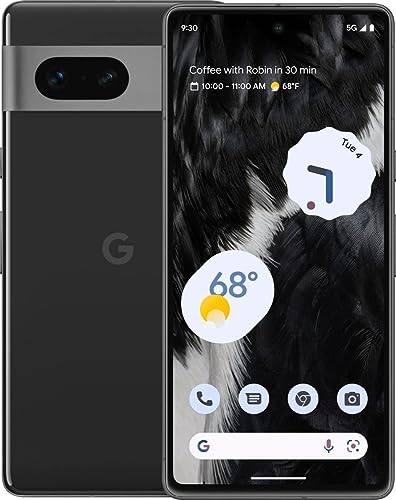
6 Best Google Fi Compatible Smartphones (October 2026)
Google Fi Wireless is a service that sells plans on top of partner networks.
We research everything we recommend. When you buy through our links, we may earn a commission. As an Amazon Associate we earn from qualifying purchases.
Gaming PC Gadgets · Mice, Keyboards, Headsets, Mics & Webcams
Buying guides for the gear you touch and hear every match. We compare specs, independent benchmarks and owner feedback so you can pick a mouse, keyboard, headset, mic or webcam that fits how you play.
Pick the line that sounds like you and jump straight to the right guide.
Our largest section: competitive FPS mice, lightweight shapes for flick aiming and wireless options. If input lag is hurting your reaction time, read the input lag guide first; often a settings change helps more than new hardware.
Switch types, layout sizes, wired versus wireless, and model picks by budget. New to mechanical boards? The switches guide explains linear, tactile and clicky feel so you know what to look for.
Wired and wireless headsets chosen for what matters in games: positional audio, voice chat clarity and comfort over long sessions. The open-back versus closed-back guide explains the soundstage and isolation trade-off.
Standalone USB mics for streamers and voice chat, plus the USB versus XLR decision. Mic placement and gain settings often affect clarity more than the mic itself, so the setup guide is worth a read.
A focused guide for streamers. We weigh how webcams handle ordinary indoor lighting, since that is when most people are on camera, not just bright daylight.
We’re a research site, so our picks come from public data rather than in-house use. Each guide compares manufacturer specs, independent benchmarks and published reviews, owner feedback and retailer data, then matches picks to specific budgets, grip styles and use cases. We revisit guides when new mice, keyboards and headsets launch. Read our editorial policy for details.
Gamingpcgadgets.com is a participant in the Amazon Associates program. When you buy through a link on this site we may earn a commission, at no extra cost to you. Commissions don’t change which products we pick or how we describe them. See our affiliate disclosure for the full policy.
Expert opinions on the newest products
Google Fi Wireless is a service that sells plans on top of partner networks.
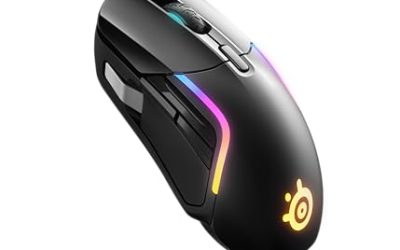
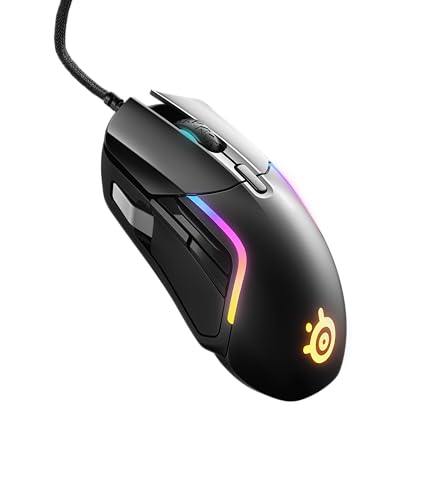
Searching for a SteelSeries gaming mouse means you have already settled the brand question and want to pick the right shape inside the lineup.
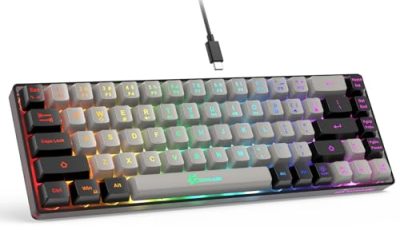
Under 80 dollars is the point where gaming keyboards stop being a choice between "cheap and rattly" and "good and expensive." In this range you can.
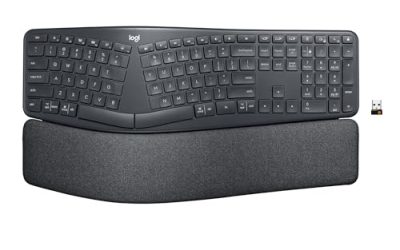
An ergonomic keyboard is a bet that a different shape will let your wrists, forearms, and shoulders sit in a more natural position.
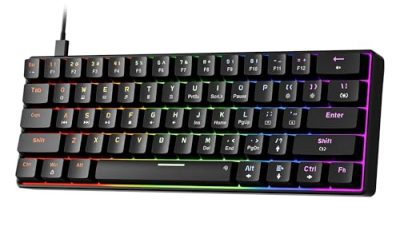
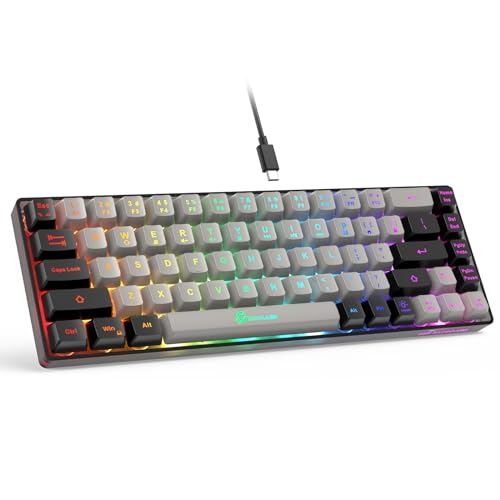
A real mechanical keyboard under 60 dollars is possible, but the cap forces trade-offs, and the 60 percent size is where most of the choices live.
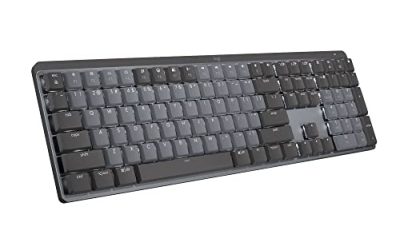
Logitech sells mechanical keyboards for very different people under one brand name, and that is where buyers get stuck.