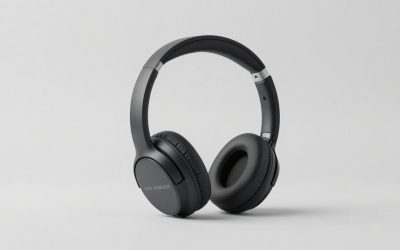
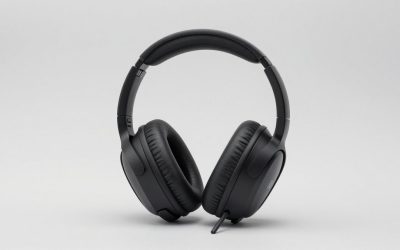
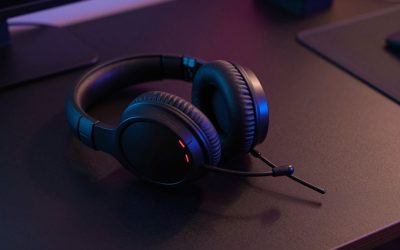
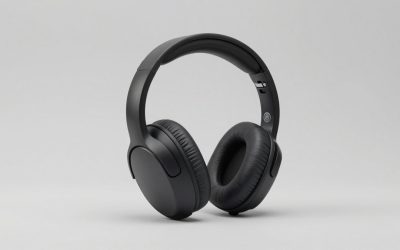
Bass is the hardest frequency to get right in consumer headphones because it requires physical space and driver excursion that small earbuds and cheap over-ears simply cannot produce cleanly. The buyer looking for the best bass headphones is almost always solving one of two problems: either the music they love demands sub-bass they cannot hear on flat-sounding cans, or they want that chest-level rumble in games and movies without the muddy, one-note bloom that plagues budget models. The difference between a great bass headphone and a mediocre one is whether you can still hear the vocal line and the snare hit clearly after the kick drum lands.
Across this category, the pattern is consistent. Cheap headphones achieve loudness through a single boosted shelf around 60-80 Hz, which means everything above that sits in the low end of the spectrum while the actual sub-bass stays flat. Better models use larger drivers, sealed enclosures with more internal volume, or active processing (dedicated haptic transducers, bass EQ layers, or ANC-induced perceived extension) to move air at frequencies below 40 Hz without smearing the midrange. If you only remember one thing: a good bass headphone makes the low frequencies felt, not just heard.
As an Amazon Associate we earn from qualifying purchases at no extra cost to you.




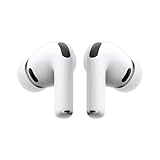

Our Top Picks
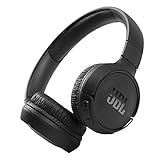
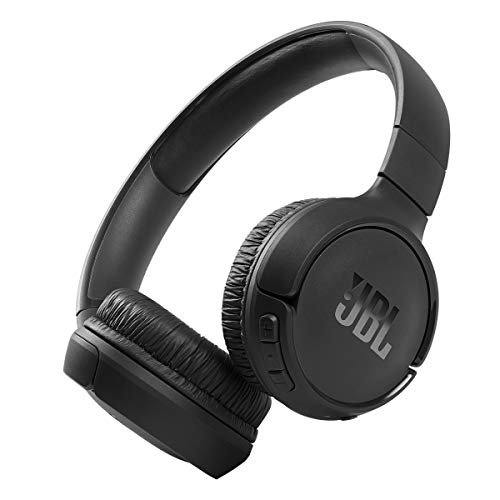 JBL Tune 510BT: Wireless On-Ear Headphones with PurebassOne Size9 x 8 x 2 Inches0.4 poundsCheck on Amazon
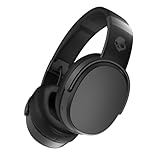
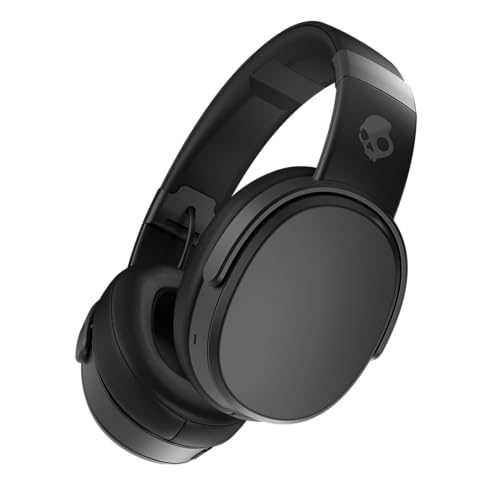 Skullcandy Crusher Wireless Multi-Sensory Bass Bluetooth HeadphonesSingle7 x 6.88 x 3.54 inches0.6 PoundsCheck on Amazon
 Sony ULT WEAR Over-Ear Noise Canceling Wireless HeadphonesOne size11.89 x 8.62 x 10.3 inches0.6 PoundsCheck on Amazon

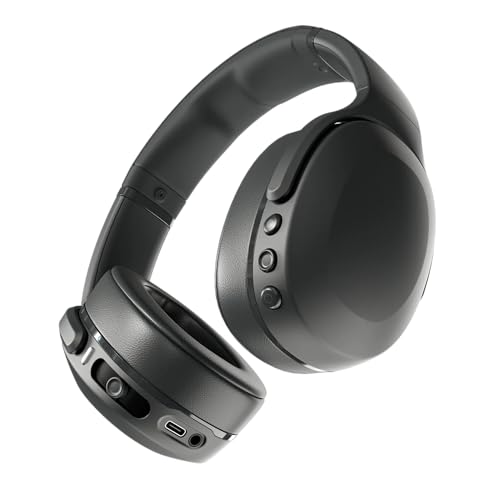
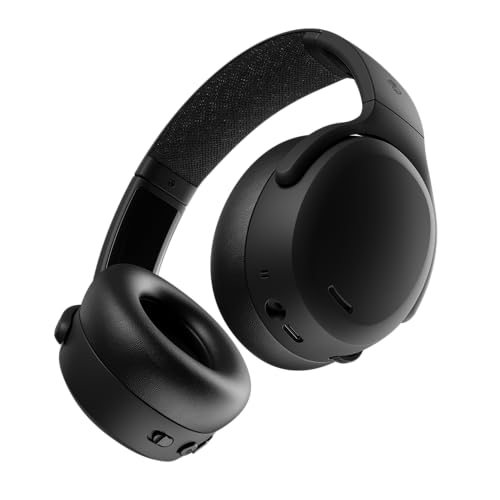
Top 3 picks at a glance
Quick Picks
| Product | Best for | Price |
|---|---|---|
| Soundcore Q20i (Black) | Best overall: adjustable bass and hybrid ANC | Check on Amazon |
| JBL Tune 510BT | Budget on-ear Pure Bass for first-time buyers | Check on Amazon |
| Skullcandy Crusher Evo | Sensory bass without active noise cancelling | Check on Amazon |
| Skullcandy Crusher Wireless | Haptic bass at a lower price point | Check on Amazon |
| Sony ULT WEAR | Warm, full-bodied bass with premium build | Check on Amazon |
| Skullcandy Crusher ANC 2 | Haptic bass combined with ANC | Check on Amazon |
| Apple AirPods Pro 3 | In-ear bass for Apple ecosystem users | Check on Amazon |
| Soundcore Space One | Stronger adaptive ANC and LDAC for a modest step up | Check on Amazon |
How We Compared
Four criteria drive every recommendation here. First, bass extension: can the headphone produce audible output below 50 Hz without distortion at moderate volume? Second, clarity above the low end: do vocals and midrange instruments remain separated rather than buried? Third, value density: does the feature set (ANC, haptics, codec support) justify the price relative to competitors? Fourth, comfort during extended wear, because bass-heavy genres tend to involve longer sessions and clamp force that feels fine for twenty minutes becomes headache-inducing at hour two.
The Best Bass Headphones in 2026
JBL Tune 510BT
The JBL Tune 510BT is the entry-level option for someone who has never owned bass-forward headphones and wants to try the category before spending more. It is an on-ear wireless model built around JBL’s Pure Bass tuning, with up to about 40 hours of battery life, a quick charge that adds about two hours of playback in five minutes, and the ability to switch between two connected devices. There is no noise cancelling and no app EQ, and on-ear pads do not seal as completely as over-ear cups, so bass depth is limited compared with the larger headphones here. Skip it if you want ANC, adjustable EQ, or over-ear comfort for long sessions.
- Pro: JBL’s Pure Bass tuning gives a punchy low end at a budget price
- Pro: Long battery life, quick charging, and two-device switching
- Con: No ANC or app EQ, and the on-ear fit limits seal and deep bass
Soundcore Q20i (Black)
The Q20i is the most defensible answer to the budget bass question right now. It layers hybrid ANC with an adjustable bass EQ through the companion app, letting you push the low shelf without touching the mids. For the price, the build is sturdy enough for daily commuting, and battery life is long enough that you will not think about charging. This is for the commuter, the dorm-room gamer, or anyone who wants to stay in the budget tier and still get a headphone that sounds intentional. Skip it if you need the physical rumble of haptic drivers.
- Pro: App-based bass EQ gives real control over low-end quantity without muddying vocals
- Pro: Hybrid ANC at this price eliminates the need for a bass-boosting seal workaround
- Con: Earpads are thin, so comfort degrades after two to three hours of wear
Skullcandy Crusher Evo
The Crusher Evo is for people who want to physically feel bass rather than just hear it. Its dual-driver system pairs a standard audio driver with a dedicated haptic transducer that vibrates the earcup in sync with sub-bass content. The effect on EDM, hip-hop, and action movie bass drops is genuinely immersive in a way that no frequency-response chart captures. It is over-ear, comfortable for marathon sessions, and the bass slider on the earcup lets you dial haptic intensity from subtle to overwhelming. Skip it if you work in audio production or value accurate frequency response over sensation.
- Pro: The haptic slider offers a spectrum of physical bass that no EQ can replicate
- Pro: Excellent comfort with plush pads and moderate clamp force for all-day wear
- Con: At the haptic slider midpoint, bass detail can feel smeared across a wide band
Skullcandy Crusher Wireless
The original Crusher Wireless remains the most affordable way to experience haptic bass. It uses the same core concept as the Evo but with older driver tuning and a slightly less refined haptic motor. For the price, it delivers on the promise: you feel the drop, not just hear it. It is ideal for someone curious about whether haptic bass is a gimmick or a genuine listening experience without committing to a mid-range price. Skip it if you want the latest EQ flexibility or if the Evo fits your budget, since that upgrade is substantial.
- Pro: Genuine haptic bass feedback at the lowest price in the Crusher lineup
- Pro: Lightweight build makes it easier to forget you are wearing them during long sessions
- Con: No ANC, so outside noise competes directly with the low-end output you paid for
Sony ULT WEAR
Sony took the ULT branding (formerly XB) and rebuilt it with a larger driver housing that produces deep, warm bass without the cartoonish mid-bass hump that plagued earlier versions. The result is a headphone that sounds rich and full-bodied across genres, making it the pick for listeners who want bass as part of a cohesive sound rather than a spectacle. ANC is included and effective, and the overall build feels like it belongs to a premium tier. It sits in the mid-range tier, well below Sony’s flagship WH-1000XM6. Skip it if you prefer a neutral signature or want to stay in the budget tier.
- Pro: The most natural-sounding bass presentation in this group; nothing is pushed into distortion
- Pro: Premium ANC that preserves low-end detail rather than fighting it
- Con: The bass-heavy default tuning needs EQ adjustment for listeners who want a more neutral sound
Skullcandy Crusher ANC 2
The Crusher ANC 2 is Skullcandy’s answer to the obvious question: what happens when you combine haptic bass with active noise cancelling? You get a headphone that blocks the world and then shakes it. The dual approach means the low frequencies are both felt and isolated, creating a listening environment where EDM and bass-heavy film scores become almost physical experiences. It sits in the premium tier, above the Evo and original Crusher. Skip it if you prioritize portability, since the earcups are deep and the headband adds bulk that makes these awkward on trains or planes.
- Pro: Combines haptic feedback with ANC so bass is felt without external noise interference
- Pro: Build quality and materials justify the premium over the Evo and original Crusher
- Con: Deep earcups reduce portability and add weight that causes fatigue on smaller heads
Apple AirPods Pro 3
In-ear bass is a different physics problem because the ear canal is small and sealed directly against the driver. Apple solved this with computational audio that adjusts the EQ in real time based on the fit of each ear tip. For Apple users who need bass in a pocketable form factor, the AirPods Pro 3 deliver more low-end impact than any previous generation, with ANC that further enhances the perception of sub-bass by removing competing noise. Skip it if you use Android or if you want to feel bass physically rather than hear it cleanly.
- Pro: Computational bass tuning adapts to your unique ear shape, eliminating fit-related low-end loss
- Pro: Truly pocketable with a case that adds battery without bulk
- Con: Bass extension cannot match any over-ear model in this list due to physical size limits
Soundcore Space One
The Soundcore Space One is the step up for buyers who like the Q20i’s approach but want stronger noise cancelling and a more refined sound without leaving the budget-to-mid-range tier. Anker lists 40mm drivers with LDAC support for higher-quality Bluetooth on compatible Android phones, adaptive noise cancelling with five adjustable levels in the Soundcore app, and about 40 hours of battery life with ANC on (55 hours off). Its ANC targets low, continuous noise such as engine and train rumble, which is exactly the noise that masks bass on a commute, and the app’s EQ lets you push or tame the low end. Skip it if you want the Crusher’s haptic experience or the extra refinement of a premium flagship.
- Pro: Adaptive ANC with five levels and LDAC support, a step above the Q20i
- Pro: About 40 hours of battery life with ANC on
- Con: Costs more than the Q20i, and the ANC is not flagship-level
More Bass Headphones Worth Considering
The picks above lean toward budget headphones and Skullcandy’s haptic lineup. The six additions below fill the gaps: a newer Crusher with more refined tuning, two premium flagships that pair deep bass with clarity, a mid-range option for Apple and Android users, and two budget alternatives that compete directly with the Soundcore Q20i.
Skullcandy Crusher 1080 ANC

The Crusher 1080 ANC, launched in July 2026, is the most advanced Crusher yet and the natural upgrade for anyone eyeing the Crusher ANC 2 in the main list. It keeps the signature idea, dedicated bass drivers that you feel as well as hear, and adds a set of technologies licensed from Bose: QuietControl noise cancelling with Quiet, Aware, and Off modes, the WaveForm audio engine for balanced sound at any volume, TrueSpatial 3D audio with head tracking, and SpeechClarity for calls.
The haptic intensity is adjusted with the Crusher wheel on the earcup or in the Skullcandy app, from a gentle rumble to a full-body thump. Skullcandy rates battery life at up to 50 hours with ANC on and 60 hours with it off, with a 10-minute charge giving about four hours of playback. It also supports Bluetooth 5.3, multipoint pairing, LE Audio with Auracast, a customizable 5-band EQ, and a flat-folding design with a travel bag.
Strengths: the most refined haptic bass available, much better noise cancelling than earlier Crushers, a balanced sound when the haptics are turned down, and excellent battery life.
Drawbacks: it sits in the premium tier, above the Crusher ANC 2. With haptics off, the bass is controlled rather than huge, and listeners who want a neutral, studio-style sound will find the overall tuning too colorful.
Compared with the Crusher ANC 2, the 1080 offers stronger noise cancelling, spatial audio, and more refined drivers. If you want the most visceral bass possible and budget allows, it replaces the ANC 2 as the top haptic choice.
Sony WH-1000XM6

The Sony WH-1000XM6 is the premium all-rounder that many major review sites name as the best headphone overall in 2026, and it is also one of the best for bass. Its default tuning is warm with an emphasized low end that still leaves room for vocals and higher-pitched synths, which is exactly the balance this guide’s introduction describes as the mark of a great bass headphone.
Sony pairs newly designed drivers with its QN3 processor and a 12-microphone noise cancelling system, which is among the most effective in any consumer headphone. The companion app offers a 10-band EQ, so you can raise the sub-bass without boosting the mid-bass, and LDAC support allows higher-quality Bluetooth on compatible Android phones. Sony rates battery life at about 30 hours with noise cancelling on, and the XM6 brings back a folding design with a more protective case.
Strengths: deep, controlled bass that does not smear the midrange, class-leading noise cancelling that improves bass perception further, a detailed 10-band EQ, and a comfortable, light fit for long sessions.
Drawbacks: premium pricing, no haptic effect, and less raw low-end quantity than a Crusher at full intensity. LDAC is not available on iPhone.
Against the Sony ULT WEAR in the main list, the XM6 offers stronger noise cancelling, more detail, and better microphones, while the ULT WEAR leans harder into a bass-heavy signature. Choose the XM6 if you want bass as part of an excellent overall sound.
Sennheiser Momentum 4 Wireless

The Sennheiser Momentum 4 Wireless is the pick for listeners who want large, deep bass without giving up clarity. Its 42mm drivers deliver a strong low end, and audio reviewers consistently describe it as balanced enough in the mids and treble to satisfy more critical listeners. It is a premium headphone that often sells below the newest flagships now that its successor is available.
The standout specification is battery life: Sennheiser rates it at up to 60 hours, far beyond most competitors. It supports aptX Adaptive for higher-quality Bluetooth on compatible Android phones, adaptive noise cancelling, and a Smart Control app with an EQ and sound personalization, so you can push the bass further or tame it for podcasts. The earcups are large and the clamp force moderate, which suits long listening sessions.
Strengths: powerful bass with clean separation, outstanding battery life, high-quality codec support, and a refined, detailed overall sound.
Drawbacks: the design does not fold flat, the noise cancelling is good rather than the best, and the touch controls take some getting used to.
Compared with the Soundcore Q20i, the main list’s top value pick, the Momentum 4 costs many times more but delivers a much more detailed sound and a deeper, more controlled low end. It suits listeners who have outgrown budget headphones and want bass and clarity together.
Beats Studio Pro
Beats built its brand on bass, and the Studio Pro is a more mature take on that sound: still punchy and full in the low end, but cleaner and less boomy than older Beats models. It sits in the mid-range and works equally well with iPhones and Android phones, with one-touch pairing on both platforms.
Beats lists custom 40mm drivers, active noise cancelling with a transparency mode, personalized spatial audio with head tracking, and up to 40 hours of battery life (about 24 hours with noise cancelling on). A useful extra for bass fans is USB-C audio: plug it into a phone or computer with the included cable for lossless playback, which avoids Bluetooth compression entirely.
Strengths: energetic, punchy bass that suits pop, hip-hop, and electronic music; easy pairing across Apple and Android; and wired USB-C lossless listening.
Drawbacks: limited EQ options compared with Sony or Sennheiser, firm clamp force that some find tiring, and earpads that warm up during long sessions.
Compared with the AirPods Pro 3 in the main list, the Studio Pro gives Apple users the larger enclosure and deeper bass extension of an over-ear design. Choose it if you want strong bass with simple, reliable everyday features.
JBL Tune 770NC

The JBL Tune 770NC is a budget-to-mid-range headphone with JBL’s bass-forward house tuning and a feature list that punches above its tier. It is a strong alternative for anyone who finds the Soundcore Q20i too basic but does not want to spend premium money.
JBL lists 40mm drivers, adaptive noise cancelling with Smart Ambient, Bluetooth 5.3 with LE Audio, and multipoint connection to two devices at once. Battery life is rated at up to 70 hours with ANC off and 44 hours with it on, and a five-minute charge adds about three hours. It weighs about 232 grams, which makes it one of the lighter over-ears here, and the JBL Headphones app includes an EQ for adjusting the low end.
Strengths: punchy, fun bass out of the box; very long battery life; multipoint and LE Audio support; and a light, foldable build.
Drawbacks: the relatively small earcups may not seal as well on larger ears, the noise cancelling struggles with low drones, and codec support is limited to SBC, AAC, and LC3.
Against the Soundcore Q20i, the JBL adds adaptive noise cancelling, multipoint, and a lighter frame. Choose it if you commute and want an easy, bass-rich headphone that lasts a full week between charges.
Soundcore Life Q30

The Soundcore Life Q30 is the step-up model from the Q20i in the main list, and for a modest increase in cost it fixes several of the Q20i’s weaknesses. It remains firmly in the budget tier, and independent reviewers describe its default tuning as clearly bass-boosted, which suits listeners who want plenty of low end without adjusting anything.
Anker lists dual 40mm silk-diaphragm drivers with Hi-Res Audio certification, hybrid noise cancelling with three modes (Transport, Outdoor, and Indoor), and battery life of about 40 hours with noise cancelling on and 60 hours with it off, with a five-minute charge giving about four hours. The Soundcore app includes a custom EQ and presets, so you can raise or reduce the bass as needed. The ear cushions are thicker and softer than the Q20i’s.
Strengths: a bass-forward sound out of the box, an adjustable EQ, comfortable memory foam cushions, and strong battery life for the tier.
Drawbacks: the treble can sound sharp at default settings, the noise cancelling modes are manual rather than adaptive, and the build is plasticky compared with mid-range models.
Compared with the Soundcore Q20i, the Q30 offers better cushions, more noise cancelling options, and Hi-Res certified drivers. It is the right choice if the Q20i’s thin earpads are a concern for longer sessions.
Buying Guide
Driver Size and Enclosure Volume
Bass is air movement. A 40mm driver in a sealed 30cc earcup can only push so much air before distortion sets in. Larger drivers (45mm or more) and deeper earcups with greater internal volume move more air at lower frequencies with less excursion, which means cleaner sub-bass and lower distortion. When comparing specs, look at the frequency response range as a starting point, but understand that the lower the -10dB point (meaning the frequency where output drops ten decibels below the midrange average), the more genuinely deep the bass goes. Over-ears dominate this metric for a reason.
Active Bass Processing vs. Passive Tuning
A bass EQ shelf is passive processing that simply raises the gain of low frequencies. Haptic transducers (Skullcandy’s approach) and computational audio (Apple’s approach) are active systems that add behavior beyond gain boost. Haptics create physical vibration in the earcup that you feel as bass, extending the sensation below the frequency range a driver can reproduce cleanly. Computational systems analyze the incoming signal and adjust output dynamically. If you want bass that moves your head, passive EQ works. If you want bass that moves your skull, haptics are the only path in this price tier.
How ANC Changes Bass Perception
ANC primarily affects the low-frequency noise floor, which changes how much of the headphone’s bass output you actually register. Without ANC, ambient rumble from buses, HVAC systems, or fans masks output below 100 Hz because your ear cannot separate the headphone’s bass from environmental noise at similar frequencies. Good ANC removes that mask, making the same driver output sound like more bass. This is why ANC-equipped headphones in this list (Q20i, Crusher ANC 2, AirPods Pro 3, Sony ULT WEAR) tend to feel bassier than their frequency response alone would suggest. The Crusher Evo and original Crusher Wireless lack ANC entirely, relying on passive seal and haptic drivers to create the sensation instead.
Sub-Bass vs. Mid-Bass: Know What You Are Hearing
“Bass” covers a wide range, and the part you prefer decides which headphone suits you.
- Sub-bass (roughly 20–60 Hz) is the deep rumble you feel more than hear: 808 tails in hip-hop, synth drops in electronic music, explosions and engine noise in films and games. Headphones that extend well into this range sound deep without sounding boomy.
- Mid-bass (roughly 60–250 Hz) is the punch of a kick drum and the body of a bass guitar. A little extra here sounds energetic; too much makes everything sound muddy and masks vocals.
The best bass headphones boost sub-bass more than mid-bass. When you use an EQ, raise the lowest bands first and leave the 125–250 Hz range close to flat. If an app only offers a single “bass boost” toggle, it usually raises both ranges together, which is why it can make vocals sound thick.
Fit and Seal Matter as Much as the Drivers
Closed-back headphones and earbuds depend on a good seal to deliver bass. Even a small gap from glasses arms, long hair, or the wrong ear tip size lets low frequencies leak out, and the headphone suddenly sounds thin. A poor seal also weakens noise cancelling at the same time.
- Over-ears: choose earcups large enough to surround your ears completely. Thin-framed glasses help, and replacement pads can restore bass on older headphones whose foam has flattened.
- Earbuds: try every included tip size, and use the fit test in your phone’s companion app if available. One size larger often brings back the missing low end.
- Open-back headphones: these deliberately let air and sound escape. They can sound spacious and accurate, but they rarely deliver the bass impact covered in this guide and should be avoided if heavy bass is your priority.
Wireless Codecs and Wired Listening
Bluetooth compresses audio, and on bass-heavy tracks low-quality compression can make the low end sound smeared. Codec support helps: AAC works well on iPhone, while LDAC (Sony) and aptX Adaptive (Sennheiser and others) offer higher bitrates on compatible Android phones. For the cleanest possible bass, many headphones also accept a wired connection. The Beats Studio Pro can play lossless audio over USB-C, and several others include a 3.5mm cable. A wired connection also removes Bluetooth delay, which matters for gaming.
Comparison of the Added Picks
| Headphone | Price tier | Bass approach | Noise cancelling | Battery (ANC on) | Best for |
|---|---|---|---|---|---|
| Skullcandy Crusher 1080 ANC | Premium | Adjustable haptic bass drivers | Yes, Bose QuietControl | Up to 50 hours | Maximum felt bass |
| Sony WH-1000XM6 | Premium | Warm tuning, 10-band EQ | Yes, class-leading | About 30 hours | Best all-round bass and ANC |
| Sennheiser Momentum 4 Wireless | Premium | 42mm drivers, deep but balanced | Yes, adaptive | Up to 60 hours | Bass with clarity |
| Beats Studio Pro | Mid-range | Punchy Beats tuning | Yes | About 24 hours | Apple and Android users |
| JBL Tune 770NC | Budget to mid-range | JBL bass-forward tuning | Yes, adaptive | Up to 44 hours | Long-battery commuting |
| Soundcore Life Q30 | Budget | Bass-boosted default, custom EQ | Yes, hybrid with 3 modes | About 40 hours | Budget step-up from Q20i |
How to Get Better Bass From the Headphones You Own
- Check the seal first. Reposition the earcups, move hair and glasses arms, or change ear tip sizes before touching the EQ.
- Use the companion app’s EQ. Raise the lowest one or two bands by a few decibels rather than maxing out a bass preset, and lower the volume slightly to avoid distortion.
- Turn off phone-level bass enhancers if you are also using the headphone app’s EQ. Stacking two boosts often causes clipping and a muddy sound.
- Stream at the highest quality setting. Music services often default to lower bitrates on mobile data, which affects the low end most noticeably.
- Give haptic headphones a balanced setting. On Crusher models, a mid-level haptic setting often sounds better for full albums than the maximum, which is best saved for films and bass-drop tracks.
- Replace worn earpads. Flattened foam lets bass leak. Replacement pads cost little and can restore much of the original low-end response.
Protect Your Hearing
Bass-heavy listening tempts people to turn the volume up, especially in noisy places. Noise cancelling helps here, because it lets you hear detail at lower volumes. Most phones include a headphone safety or volume limit setting, and it is worth enabling. If you notice ringing in your ears after a session, the volume was too high for too long.
Matching the Headphone to What You Listen To
All fourteen headphones in this guide emphasize bass, but they do it in different ways, and some suit certain music and uses better than others.
- Hip-hop, trap, and EDM: these genres live in the sub-bass. Haptic models such as the Crusher Evo, Crusher ANC 2, and Crusher 1080 ANC add a physical layer to 808s and drops that no conventional headphone matches. For a non-haptic option, the Sony WH-1000XM6 with its lowest EQ bands raised reaches very deep without distortion.
- Rock and metal: fast kick drums and distorted guitars need tight, quick mid-bass rather than long sub-bass rumble. Heavy haptics can blur double-kick passages, so a balanced headphone like the Sennheiser Momentum 4 or the Sony ULT WEAR usually sounds cleaner.
- Pop and R&B: punchy bass with clear vocals is the goal. The Beats Studio Pro and JBL Tune 770NC are tuned for exactly this, with an energetic low end that leaves the vocal line up front.
- Films and single-player games: explosions, engines, and orchestral scores benefit from both deep extension and haptics. A Crusher with spatial audio, or any ANC model in a quiet room, gives the most cinematic effect.
- Commuting and travel: strong noise cancelling matters more than raw bass quantity here, because engine and road rumble mask the low end. The Sony WH-1000XM6 and Crusher 1080 ANC are the strongest options, with the Soundcore Q20i and Life Q30 as budget alternatives.
- Gym and active use: large over-ears get hot and shift around. Well-fitting earbuds such as the AirPods Pro 3 hold their seal, and therefore their bass, better during movement.
If you listen to a mix of everything, a headphone with a good EQ, such as the Sony, Sennheiser, or Soundcore models, is the most flexible choice, because you can save different presets for different moods instead of living with one fixed tuning.
Our Verdict
The top pick for most people is the Soundcore Q20i. It delivers adjustable bass depth, hybrid ANC, and app control at a price that leaves no competitor in range to justify a switch. The budget pick is the JBL Tune 510BT for anyone testing the category for the first time. If you want the most visceral bass experience available and budget is flexible, the Skullcandy Crusher ANC 2 is the main list’s pick because it combines haptic physical feedback with full active noise cancelling; the newer Crusher 1080 ANC refines the same idea at a higher price.
FAQ
Do I need over-ear headphones for good bass?
Not strictly, but the physics heavily favor them. Over-ear enclosures have internal volume that lets drivers reproduce sub-bass without distortion, while in-ear monitors rely on a perfect seal and are limited by ear-canal geometry. The AirPods Pro 3 prove that computational audio can push the in-ear limit, but no earbud matches the physical low-end reach of a well-tuned over-ear.
Is more bass always better in headphones?
No. The best bass headphones reproduce low frequencies cleanly without bleeding into the midrange, which means vocal and guitar clarity survive intact. Too much bass quantity in a poorly tuned headphone creates a one-note wall that fatigues the ear within thirty minutes and makes podcasts or lyrical music listen poorly.
Does ANC make headphones sound bassier?
It makes them feel bassier by removing environmental noise that masks your perception of low-frequency output. The headphone is not producing more energy below 100 Hz; your brain simply notices it better because competing noise from outside is gone. This is why comparing ANC and non-ANC headphones in a loud environment can be misleading about their actual frequency output.
Are open-back headphones good for bass?
Generally not for heavy bass. Open-back designs let air and sound pass through the earcups, which creates a spacious, natural sound but reduces low-end impact and leaks sound to people nearby. For strong, punchy bass, choose closed-back over-ears or well-sealed earbuds.
Do bigger drivers always mean more bass?
No. Driver size helps, but tuning, enclosure design, and seal matter just as much. The Sony WH-1000XM6 uses relatively compact 30mm drivers and still delivers deep, controlled bass, while some cheap headphones with 50mm drivers sound boomy and loose.
Is wired better than Bluetooth for bass?
A wired connection avoids Bluetooth compression and delay, which can make bass sound slightly tighter and is useful for gaming. With modern codecs such as AAC, LDAC, or aptX Adaptive, the difference is small for most listeners, so choose based on convenience.
Are haptic bass headphones good for gaming?
Yes, especially for games with deep environmental bass like explosions, engine rumble, and subsonic creature effects. The haptic layer adds a physical cue that compensates for the lack of a subwoofer on a desktop setup. The tradeoff is that in competitive games where footstep clarity matters, the haptic vibration can mask directional audio cues that would otherwise be precise.
Part of our headphones buying guide hub.