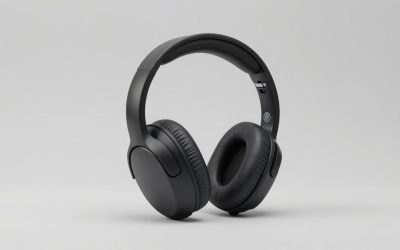
Headphones that pinch, slide forward, or leave pressure marks on your temples are not a minor annoyance — they are the reason so many people with larger heads abandon over-ear models entirely and settle for earbuds that fall out. The problem is real: most manufacturers design for an average head circumference and call it a day, leaving buyers to discover fit issues only after opening the box. What separates a genuinely comfortable pair for big heads is a combination of generous clamp distribution, deep ear cup geometry, and a headband that does not concentrate weight along a narrow strip.
If you search for the best headphones for big heads, you will find plenty of products that technically fit but still leave you wincing after an hour. That difference comes down to internal padding thickness, headband flex points, and whether the manufacturer tested on a wider range of skull shapes. The eight models below all handle larger heads competently, but they vary enormously in sound quality, connectivity, and value — so the right pick depends on whether you prioritize noise cancellation, wired reliability, open-back-like comfort, or simply the lowest price that does not hurt.
As an Amazon Associate we earn from qualifying purchases at no extra cost to you.



Our Top Picks
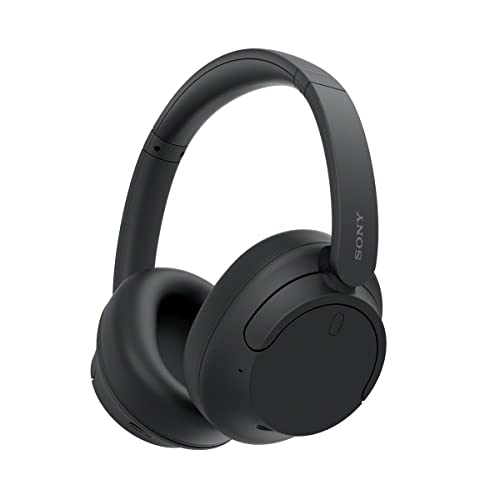 Sony WH-CH720N Wireless Noise Cancelling Over-Ear HeadphonesOne Size8.2 x 2.2 x 9.3 inches0.2 PoundsCheck on Amazon
 Sony ZX Series Wired On-Ear Headphones7.87 x 1.81 x 5.87 inches5.87 x 1.81 x 7.87 inches0.57 poundsCheck on Amazon
 Sony WH-CH520 Wireless On-Ear Bluetooth Headphones with MicOne Size6.8 x 1.8 x 7.8 Inches0 poundsCheck on Amazon


Top 3 picks at a glance
Quick Picks
| Product | Best for | Price |
|---|---|---|
| Soundcore Q20i (Black) | Best overall ANC value | Check on Amazon |
| Sony WH-CH720N | Premium fit and sound | n/a |
| Sony MDR-ZX110 | Absolute lowest price | Check on Amazon |
| Sony WH-CH520 | Lightweight wireless on-ear | Budget tier |
| Soundcore Q20i (White) | Same pick, lighter colorway | Check on Amazon |
| OneOdio Wired DJ | Wired studio and DJ use | Check on Amazon |
| Hybrid ANC Bluetooth (generic) | Cheapest wireless ANC | Check on Amazon |
| JBL Quantum 100 (Large) | Budget gaming with a boom mic | Check on Amazon |
How We Compared
We evaluated every candidate on four criteria that matter most when your head exceeds the average: clamp distribution (whether pressure spreads across a wider surface or concentrates on the temples), ear cup depth (shallow cups touch the ear and cause pain over time), headband padding thickness (thin bands dig in regardless of material quality), and adjustability range (how far the sliders extend before the headband reaches its limit). Sound signature and feature set were secondary here — we only recommend models that clear the comfort bar first, because no amount of audio quality compensates for a headache at hour two.
The 8 Best Headphones For Big Heads in 2026
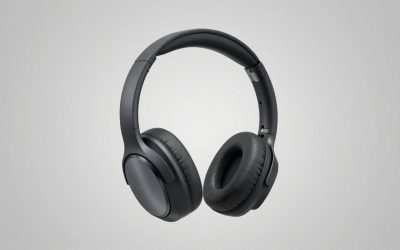
Soundcore Q20i Hybrid ANC — Black
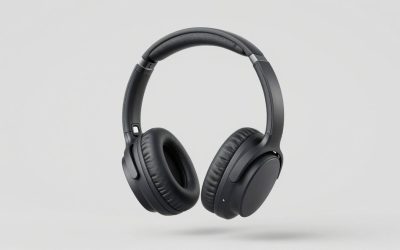
This is the strongest overall pick for anyone who needs over-ear comfort and real noise cancellation on a budget. The headband spreads pressure across a wider arc, and the ear cups are deep enough to fully contain larger ears without touching the helix. For daily commutes or open-plan office work, the hybrid ANC mode cuts ambient noise enough to make a noticeable difference in focus.
- Pro: Plush padding stays comfortable through multi-hour sessions
- Pro: Generous battery life means days between charges
- Con: Bass can overwhelm midrange-heavy content on complex vocal tracks
Skip it if you need a flat reference sound or if you want app-based EQ control.
Sony WH-CH720N
The WH-CH720N is what you buy when comfort is non-negotiable and budget is secondary. Sony designed this model around a lightweight chassis with a headband that distributes pressure evenly across a wider arc — a critical feature for larger heads that standard over-ears handle poorly. The ear cups swivel generously, keeping the seal consistent even if your head shape does not match a textbook oval.
- Pro: Build quality feels a step above the budget picks on this list
- Pro: Warm, balanced sound signature requires no EQ tinkering
- Con: Retail availability is inconsistent, so pricing fluctuates
Skip it if price certainty matters more than fit refinement.
Sony MDR-ZX110
At a rock-bottom budget price, the ZX110 is not a comfort solution — it is a survival option for anyone whose budget simply cannot stretch further. These are on-ear, which means they will press against the outer ear and eventually cause soreness on larger heads. That said, their featherweight construction and foldable design make them genuinely useful as a backup pair in a desk drawer or travel bag.
- Pro: Absurdly cheap for a recognizable brand with decent sound
- Pro: Folds flat and weighs almost nothing
- Con: On-ear geometry is inherently hostile to big heads over time
Skip these entirely if you plan to wear headphones for more than an hour at a stretch.
Sony WH-CH520
The CH520 occupies a strange middle ground: on-ear like the ZX110, but wireless with a built-in microphone and a remarkably light frame that reduces the pressure problem slightly. For a person with a large head who primarily needs call functionality and casual listening, this is a reasonable compromise between wireless convenience and lower cost.
- Pro: Distinctive Cappuccino colorway and above-average mic quality for the price
- Pro: Light enough that on-ear pressure builds slowly
- Con: Still applies direct ear pressure that accumulates over long sessions
Skip it if you have any option to go over-ear — the fit advantage is too significant to ignore.
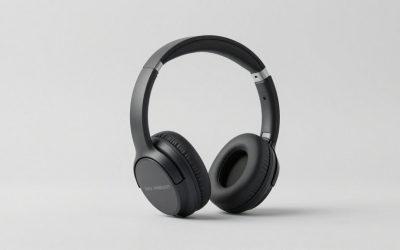
Soundcore Q20i Hybrid ANC — White
Mechanically identical to the Black Q20i, the White version exists for buyers who prefer a lighter aesthetic on their desk or in their bag. Fit, ANC performance, battery life, and sound signature are the same. We included it because color preference is legitimate when a product sits on your head for hours, and the White padding makes wear and tear more visible so you know when to replace them.
- Pro: Same excellent big-head fit as the Black model
- Pro: Lighter finish suits bright, white-themed setups
- Con: White plastic can yellow with prolonged sun exposure
Skip it if you store headphones in a bright window or car glovebox.
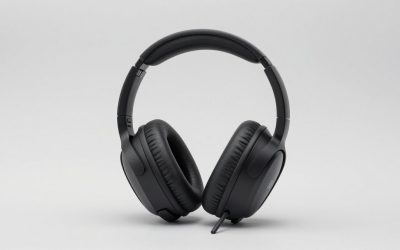
OneOdio Wired DJ Hi-Res
For anyone who needs a wired over-ear pair that prioritizes comfort and detachable cables over wireless features, the OneOdio is a strong contender. The ear cups are deep and circular, accommodating larger ears without touching the cartilage, and the headband padding is thick enough to prevent hot-spot pressure on top. Hi-Res certification means these handle detailed studio material better than their price suggests.
- Pro: Coiled cable is practical for desk use and cups rotate flat for side sleeping
- Pro: Detachable cord design means a damaged cable is not fatal
- Con: No built-in mic on the main cable, requiring a swap for calls
Skip it if you want wireless freedom and do not need the wired reliability.
Hybrid Active Noise Cancelling Bluetooth Headphones
This unnamed ANC model is the cheapest way to get wireless noise cancellation on a larger head. Build quality is visibly basic — thin plastic headband, synthetic leather that will crack sooner than premium competitors — but the fit is actually reasonable because the cups are over-ear and the clamp force is light enough to avoid temple pressure.
- Pro: Budget price for a wireless ANC over-ear
- Pro: Included carrying pouch adds utility for the money
- Con: Expect to replace these within a year of daily use
Skip it if you want something you can rely on beyond the first few months.
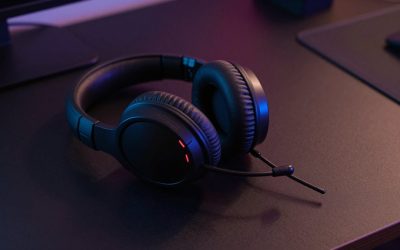
JBL Quantum 100 — White, Large
The JBL Quantum 100 is a light, budget over-ear gaming headset whose roomy cups and adjustable headband suit many larger heads. Its JBL QuantumSOUND Signature tuning emphasizes in-game cues such as footsteps, which aids competitive play. The generous internal cup volume and wide headband arc mean these stay comfortable through long sessions without temple soreness.
- Pro: Light frame keeps pressure low on larger heads
- Pro: Detachable boom mic sounds clear on team calls
- Con: V-shaped tuning fatigues ears during non-gaming music sessions
Skip it if you primarily listen to music rather than play games.
Philips SHP9500

The SHP9500 has been a long-standing favorite among people with large heads, and for good reason: it pairs large, deep ear cups with a wide headband and light clamp. It suits listeners who mainly use headphones at a desk for music, movies, or single-player gaming and want an open, spacious sound without spending much.
It is an open-back design with 50mm neodymium drivers, which gives it a wide, airy presentation that makes it feel less like sound is happening inside your head. The large cups are lined with breathable mesh-covered padding that easily clears bigger ears, and because the design is open, heat builds up far less than on closed leatherette cups. The headband is wide with a padded strip, and the clamping force is gentle, so the weight spreads across a broad area instead of pressing on the temples. The cable is detachable, so a damaged cable is cheap to replace.
Being open-back has trade-offs. Sound leaks out, so people near you will hear your audio, and outside noise comes in, so it is not suitable for commuting or loud rooms. Bass is lighter than on closed headphones, and there is no microphone, though you can pair it with a separate desk or clip-on mic for gaming.
Who it is for: big-headed listeners who use headphones at home and want comfort and spacious sound on a budget.
Strengths: roomy cups; light clamp; breathable padding; wide soundstage; detachable cable.
Drawbacks: open-back leaks sound and blocks no noise; light bass; no mic; not designed for portability.
Compared with the OneOdio wired pick above, the SHP9500 is gentler in clamp and much cooler for long sessions, while the OneOdio offers closed-back isolation and more bass. If you mostly listen at home and comfort is the top priority, the SHP9500 is the better fit.
beyerdynamic DT 770 Pro (80 Ohm)

The DT 770 Pro is a closed-back studio headphone that has been in production for decades, and it is a frequent recommendation for big heads thanks to its deep, plush velour ear pads and spring steel headband. It suits people who want long-session comfort with closed-back isolation for gaming, music, recording, or working in a shared room.
The velour pads are the key comfort feature: they are thick, soft, and breathable, and the ear cups are large enough to surround bigger ears without touching them. The headband uses a flexible spring steel frame with a padded cushion and a long adjustment range, so it reaches comfortably on larger heads. Clamp is firm when new, which helps the seal, but it typically relaxes with use, and the spring steel band can be gently eased if needed. The pads and headband cushion are replaceable, so the headphones can last many years.
The 80 Ohm version is the easiest to drive from a PC, console controller, or audio interface. Its sound is detailed with strong bass and bright treble, which works well for picking out footsteps in games. The closed design isolates far better than open-back models, although velour lets in a little more outside sound than leatherette.
Who it is for: big-headed users who want a durable, comfortable closed-back for long desk sessions and gaming.
Strengths: very comfortable velour pads; long headband adjustment; replaceable parts; detailed sound with strong bass.
Drawbacks: firm clamp out of the box; non-detachable cable on this classic version; bright treble can be fatiguing for some; no mic built in.
Compared with the JBL Quantum 100 above, the DT 770 Pro is more comfortable and better built but lacks an attached boom mic. For gamers who use a separate mic, it is a significant upgrade in both comfort and sound.
Sony WH-1000XM5

The WH-1000XM5 is the premium wireless option for big heads who also want class-leading noise cancellation. Sony redesigned the headband for this generation with a smooth, stepless slider instead of fixed clicks, which makes it easier to find the exact length you need on a larger head, and the clamp force is gentle compared with many competing noise-cancelling headphones.
At around 250g, it is light for a full-size noise-cancelling headphone, and the soft-fit synthetic leather pads are designed to spread pressure evenly around the ear. That light weight combined with low clamp means it can be worn for long periods without the temple pressure that many big-headed listeners struggle with. Noise cancellation is among the strongest available, which also helps comfort indirectly, as explained in the FAQ: you do not need a tight seal to block outside noise.
Battery life is rated at up to 30 hours with ANC on, it supports multipoint pairing, and a quick charge adds hours of listening. Calls benefit from multiple beamforming microphones.
Who it is for: commuters, travelers, and office workers with larger heads who want premium wireless sound and ANC.
Strengths: stepless headband adjustment; light weight and low clamp; excellent ANC; long battery life and multipoint.
Drawbacks: premium price tier; the ear cups are a little shallow for very large ears; synthetic leather gets warm; does not fold flat.
Compared with the Sony WH-CH720N above, the XM5 adds much stronger ANC, better sound, and premium materials at a higher price tier, while both keep weight low. If your budget allows, it is the most comfortable wireless ANC pick in this guide.
Bose QuietComfort Headphones

Bose’s QuietComfort line has a long reputation for comfort, and the QuietComfort Headphones continue that tradition with low clamping force, a light frame, and plush, cushioned ear cups. It is a strong match for big heads who find most noise-cancelling headphones too tight.
The design follows the classic QC formula: a slim but well-padded headband, a generous slider range, and deep cushions that wrap around the ear rather than pressing on it. Bose tunes the clamp to be gentle enough for all-day wear, which is exactly what many larger-headed listeners need. The ear cups also fold inward, so the headphones pack into a compact case for travel.
Noise cancellation is strong, with an Aware mode for hearing your surroundings and adjustable EQ through the Bose app. Battery life is rated at up to 24 hours, and a short charge adds a few more hours. A wired connection is also available with the included cable, which is useful on flights.
Who it is for: big-headed listeners who want noise cancellation and the gentlest possible fit for long flights, commutes, or office days.
Strengths: very low clamp; plush cushioning; strong ANC; foldable for travel; wired option.
Drawbacks: shorter battery than the Sony XM5 and Soundcore Q20i; premium-mid price tier; synthetic leather can get warm.
Compared with the Soundcore Q20i above, the Bose costs several times more but offers noticeably better ANC, a lighter feel, and more refined comfort. Against the Sony WH-1000XM5, it trades a little battery life for an even gentler clamp and foldable design.
HIFIMAN HE400SE

The HE400SE is an open-back planar magnetic headphone, and it is one of the most affordable ways to get planar sound. It is also well suited to big heads thanks to its suspension-style headband and large oval ear cups, which make it a good choice for home listening and immersive single-player gaming.
Instead of a fixed padded band, the HE400SE uses a metal frame with a separate leather suspension strap that rests on top of your head. This distributes weight across a wide area and adjusts naturally to different head sizes. The ear cups are large and oval, giving plenty of room for bigger ears, and the pads use a hybrid fabric and leatherette design for comfort and breathability.
The planar drivers use HIFIMAN’s “Stealth Magnet” design, which reduces sound wave interference for a clear, detailed sound. As an open-back headphone, it delivers a wide soundstage but leaks sound and does not block outside noise. It can be driven from many devices, though a dedicated amplifier helps it reach its potential. The cables are detachable.
Who it is for: big-headed music and gaming fans who want planar sound quality and a comfortable suspension fit at home.
Strengths: suspension headband for even weight distribution; large oval cups; detailed planar sound; detachable cables.
Drawbacks: heavier than most picks here; open-back leaks sound and lets in noise; benefits from an amplifier; no microphone.
Compared with the Philips SHP9500, the HE400SE offers a step up in detail and bass extension with a similarly comfortable fit, but at a higher price tier and weight. If you want audiophile sound with big-head comfort, this is the pick.
HyperX Cloud III (Wired)

The Cloud III is a wired gaming headset from a line that is well known for comfort, and it is a strong alternative to the JBL Quantum 100 for big-headed gamers who want a better build and more connection options. It suits PC and console players who want a detachable mic and a durable frame.
The Cloud III uses a metal frame with a memory foam headband and memory foam ear cushions wrapped in soft leatherette. The ear cups are generously sized and the slider range is long, making it comfortable for larger heads during long sessions. The frame flexes enough to avoid excessive clamp while still keeping a good seal for bass and isolation.
Inside are 53mm angled drivers designed to direct sound into the ear for clearer positional cues. It connects via USB-C, USB-A, or 3.5mm, so it works with PC, PS5, Xbox, Switch, and mobile, and the USB connection supports DTS Headphone:X spatial audio on PC. The detachable boom mic has a noise-reduction design and an LED mute indicator.
Who it is for: big-headed gamers who want a comfortable, durable wired headset that works across multiple platforms.
Strengths: metal frame; memory foam comfort; large angled drivers; detachable mic; multiple connection options.
Drawbacks: wired only; leatherette pads get warm; heavier than the lightest options here; spatial audio requires the USB connection on PC.
Compared with the JBL Quantum 100 above, the Cloud III is a higher price tier but offers a sturdier frame, deeper cushions, and more connection options, making it a better long-term choice for frequent gamers.
Sennheiser HD 599

The HD 599 is an open-back headphone from Sennheiser’s long-running HD 500 series, and its large oval ear cups are a big reason it shows up in comfort-focused recommendations. It suits home listeners with larger heads who want a lighter, more refined open-back than budget options, along with a natural, balanced sound.
The oval cups follow the natural shape of the ear and leave plenty of room for bigger ears, while soft velour pads keep things cool and gentle on the sides of the head. The headband is padded and the clamp is light, and because the headphones are relatively light for their size, they can be worn through long listening or gaming sessions without the pressure build-up common on heavier models. The cable is detachable, which makes it easy to replace or swap for a different length.
Sound is smooth and natural with an open, spacious presentation, which works well for acoustic music, film, and atmospheric single-player games. As with any open-back design, it leaks sound and lets in outside noise, and bass is more restrained than on closed-back models.
Who it is for: big-headed listeners who want a light, comfortable open-back for home use with a balanced, natural sound.
Strengths: large oval cups; soft velour pads; light clamp and weight; detachable cable; natural tuning.
Drawbacks: open-back leaks sound; restrained bass; ivory finish shows wear; no microphone.
Compared with the Philips SHP9500, the HD 599 has a more refined build and more balanced tuning at a higher price tier. Against the HIFIMAN HE400SE, it is lighter and easier to drive but less detailed.
Buying Guide
Headband Arc and Padding Depth
The headband is where most big-head headphones fail. A narrow band concentrates all your head’s weight along a single strip of contact, creating a pressure point that becomes painful within thirty minutes. Look for a headband with at least half an inch of foam or silicone padding and a gently curved arc rather than a straight bar. Thicker padding costs a little weight but dramatically improves comfort, which is why models like the Sony WH-CH720N and Soundcore Q20i sit at the top of this list — they invest in this single component.
Ear Cup Shape and Internal Volume
Over-ear cups need enough internal diameter to fully clear your outer ear without the driver housing touching the helix or tragus. If your ear extends past the cup rim, the seal will break and sound quality drops regardless of the driver inside. Circular cups tend to accommodate larger ears more naturally than oval ones, though this is not universal. The JBL Quantum 100 offers roomy cups for its price, and the OneOdio Wired DJ is one of the few budget wired options that clears the bar.
Clamp Force and Total Weight
Clamp force is the pressure the headband applies to hold the cups against your head. Too little and they slide; too much and they create a vice effect on the temples. For larger heads, a lighter overall weight combined with a wider contact surface is the ideal formula. Lighter models with a well-padded band are your sweet spot. The generic ANC Bluetooth pair has light clamp force but thin padding, while the Sony WH-CH720N pairs moderate clamp with excellent cushioning.
Ear Pad Material: Velour, Leatherette, or Mesh
Pad material affects comfort on a large head almost as much as clamp force. Bigger heads usually mean more contact area and more heat, so it is worth choosing deliberately.
- Velour and fabric pads (beyerdynamic DT 770 Pro, Philips SHP9500): soft and breathable, so they stay cool through long sessions and feel gentle under pressure. They isolate a little less and can collect dust, but they are the most comfortable choice for many big-headed listeners.
- Synthetic leather pads (Sony WH-1000XM5, Bose QuietComfort, Soundcore Q20i): seal well, which helps bass and noise cancellation, but they trap heat. If you get warm easily, take short breaks or choose a model with replaceable pads.
- Hybrid pads (HIFIMAN HE400SE): combine a fabric face with leatherette sides, balancing breathability and seal.
Open-Back vs. Closed-Back for Big Heads
Open-back headphones like the SHP9500 and HE400SE often have lighter clamp because they do not rely on a tight seal for bass. They also stay cooler. The downside is that they leak sound and do not block noise, so they suit home use only. Closed-back models like the DT 770 Pro, Cloud III, and noise-cancelling headphones need a better seal, which usually means a little more clamp, but they work in shared spaces, offices, and on the move.
More Big-Head Picks Compared
| Model | Type | Price tier | Fit advantage | Best use | Main compromise |
|---|---|---|---|---|---|
| Philips SHP9500 | Open-back, wired | Budget | Large cups, light clamp | Home music and gaming | Leaks sound, no mic |
| beyerdynamic DT 770 Pro (80 Ohm) | Closed-back, wired | Mid-range | Plush velour, long band | Desk gaming, recording | Firm clamp when new |
| Sony WH-1000XM5 | Closed, wireless ANC | Premium | Stepless slider, light build | Commuting, travel, office | Shallow cups for very large ears |
| Bose QuietComfort Headphones | Closed, wireless ANC | Mid to premium | Very low clamp | Flights and all-day wear | Shorter battery |
| HIFIMAN HE400SE | Open-back planar, wired | Mid-range | Suspension strap headband | Home listening | Heavier, benefits from amp |
| HyperX Cloud III (Wired) | Closed gaming headset | Budget to mid | Memory foam, metal frame | PC and console gaming | Warm leatherette pads |
How to Make Any Headphone More Comfortable on a Big Head
- Measure before you buy. Use a soft tape measure around your head just above the eyebrows and ears. Circumferences above roughly 23.5 inches (about 60cm) usually benefit from long slider ranges, suspension bands, or low-clamp designs.
- Extend the sliders fully and check the headband position. If the band rests at maximum extension with the cups still sitting high on your ears, the frame is too small no matter how soft the padding is.
- Relax clamp gradually. Many headphones with steel or flexible bands loosen naturally with use. Some owners stretch them gently over a box or stack of books overnight, but only do this with flexible metal frames and only if you accept the risk, since plastic bands can crack.
- Upgrade the pads. Thicker or larger replacement pads increase cup depth and move the drivers away from your ears. This is one of the cheapest and most effective comfort upgrades for wired studio headphones.
- Add a headband cushion. Slip-on cushions spread weight over a wider area and help with headbands that have thin padding.
- Wear glasses with care. Thin-temple frames and fabric pads reduce pressure where the cushion meets the arms of your glasses.
- Take regular breaks. Even the most comfortable headphones benefit from a short break every hour or two, especially in warm rooms.
Quick Match: Which Big-Head Headphone Suits You?
- Tightest budget, wireless ANC: Soundcore Q20i, with deep cups and a wide headband arc.
- Premium wireless ANC for travel and commuting: Sony WH-1000XM5 for its stepless slider, or Bose QuietComfort Headphones for the gentlest clamp.
- Home listening on a budget: Philips SHP9500, the classic big-head open-back.
- Home listening with a step up in sound: Sennheiser HD 599 for light comfort, or HIFIMAN HE400SE for planar detail and a suspension band.
- Closed-back for desk work, recording, or gaming with a separate mic: beyerdynamic DT 770 Pro (80 Ohm).
- Gaming with a built-in mic: HyperX Cloud III for a sturdier long-term option, or JBL Quantum 100 for the lowest cost.
- Calls and casual use where portability beats comfort: Sony WH-CH520, with the understanding that on-ear designs press on the ears over time.
Our Verdict
The top pick is the Soundcore Q20i in Black — it clears every big-head comfort benchmark while delivering real noise cancellation and a battery life that outlasts more expensive rivals. For a budget alternative, the Sony MDR-ZX110 is the lowest floor you can reach without buying unbranded junk, provided you accept the on-ear limitation. The condition under which another product wins: if you specifically need a gaming-focused fit with a boom microphone, the JBL Quantum 100 is the better tool for that job.
FAQ
Do over-ear headphones hurt big heads?
They do not have to. Pain comes from narrow headbands that concentrate weight and shallow cups that touch the ear. Any model with adequate padding and enough internal cup volume will sit comfortably on a larger head for hours.
Is on-ear ever a good choice for big heads?
Generally no. On-ear designs press directly against the outer ear cartilage, and on a larger head the contact area is smaller relative to the pressure applied. If you must go on-ear for portability, choose the lightest option available and limit sessions to under an hour.
How do I know if a headphone will physically fit before buying?
Check the maximum headband extension or head-size range if the listing provides one, and look for owner reviews from people with larger heads. If owners report running out of slider at full extension, the cups will sit too high on a larger head, which defeats the purpose of adjustability.
Does noise cancellation improve comfort for larger heads?
Indirectly, yes. If your headphone relies on a tight clamp to block sound, you will tighten it further and create pressure. Active noise cancellation reduces the need for a perfect passive seal, so you can loosen the fit slightly and still hear your content clearly.
What head size counts as a “big head” for headphones?
There is no official standard, but most headphones are designed around average adult head sizes. If your circumference is above roughly 23.5 inches (about 60cm), or if headphones regularly sit at maximum extension on you, look for long slider ranges, suspension headbands, or explicitly larger designs.
Are gaming headsets good for big heads?
Some are. Gaming headsets with metal frames, memory foam, and long sliders, like the HyperX Cloud III, often fit larger heads well. Lightweight plastic gaming headsets with short sliders can be too small, so check the adjustment range and frame material.
Can I replace ear pads to improve fit?
Yes, on many models. Studio headphones like the DT 770 Pro and many wired models have widely available replacement pads, including thicker and larger options. Replacement pads can increase depth and change sound slightly, usually adding space and reducing bass.
Do suspension headbands work better for large heads?
Often, yes. A suspension strap like the one on the HIFIMAN HE400SE adjusts automatically to your head shape and spreads weight across a wider area, reducing pressure points compared with a narrow padded band.