Before committing to a mechanical keyboard, you have to choose a switch, and the descriptions online can only tell you so much about how something feels. A switch tester, a small board holding several different switches you can press, promises to let you feel the options for yourself for around $15 to $30. But is it a smart purchase or a gadget you use once? This guide weighs whether a switch tester earns its place in your buying process.
As an Amazon Associate we earn from qualifying purchases at no extra cost to you.


Our Top Picks
 Akko 16-Key Switch Tester Mechanical Keyboards Acrylic Testing14.17 cubic inches3.54 x 3.46 x 0.87 inches0.4 PoundsCheck on Amazon

Top 3 picks at a glance
What a switch tester does
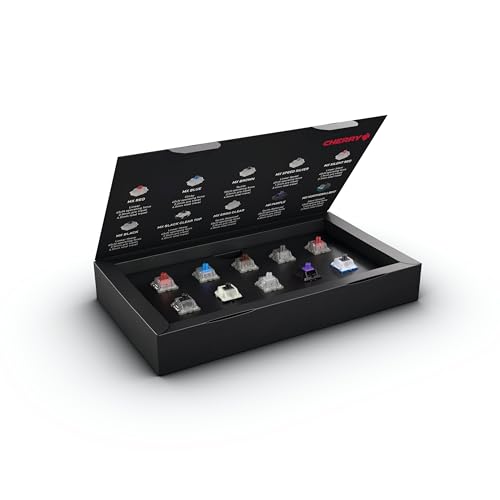
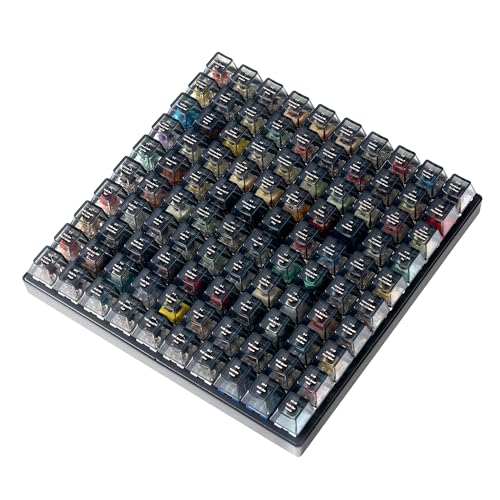
A switch tester is a compact acrylic or metal plate populated with a variety of switches, often 6 to 20 different types, each with its keycap. You press each one to feel the difference between linear, tactile, and clicky switches and between light and heavy weights. It exists because switch feel is deeply personal and hard to judge from a spec sheet or a video, where you cannot feel the bump or the resistance.
Why feel is hard to describe
Terms like tactile bump, actuation force, and smoothness mean little until your own fingers experience them. Two switches with similar specs can feel quite different. A tester turns abstract descriptions into something you can actually compare side by side, which is its core value before a purchase you will type on for years.
| Situation | Tester worth it? |
|---|---|
| First mechanical keyboard | Yes, helps you choose |
| Hot-swap board planned | Yes, guides switch buys |
| Already know your switch | No |
| Buying one fixed board | Maybe, if unsure |
When it is worth it
A tester is most worthwhile if you are new to mechanical keyboards and unsure what you like, or if you own a hot-swap board and plan to try several switches, since it saves you from buying full switch sets you dislike. It is less worthwhile if you already know your preferred switch or are buying a single soldered board you cannot change anyway. For the cost of a cheap set of switches, it can prevent a much more expensive mistake.
Limitations to know
A bare tester board feels different from a fully built keyboard, because the case, plate, foam, and keycaps all change the sound and feel. Use a tester to compare switch types and weights relative to each other, not to judge exactly how a finished board will sound. Also, testers often carry popular switches, so a very niche switch may not be included.
Frequently asked questions
Does a switch tester feel the same as a real keyboard?
Not exactly. A tester isolates the switch, but a finished keyboard adds a case, plate, foam, and keycaps that change the sound and feel noticeably. Use a tester to compare switches against each other and judge type and weight, then expect the assembled board to sound a bit deeper and more refined.
Can I reuse the switches from a tester?
On a hot-swap board, yes, you can pull switches from the tester and use them if they match your board, though a single switch of each type is not enough to fill a keyboard. Mostly a tester is for evaluation, not for harvesting switches. Buy full sets of the type you decide you like.
Bottom line
A switch tester is worth it if you are new to mechanical keyboards or plan to experiment on a hot-swap board, because feeling switches yourself prevents expensive guesswork on something you will use for years. It is unnecessary if you already know your preferred switch. Just remember a bare tester feels different from a finished board, so use it to compare types and weights, not to predict exact sound.