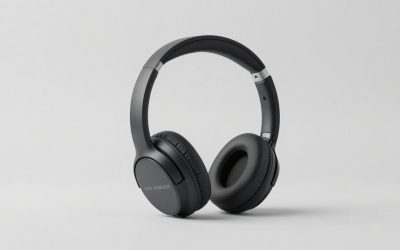
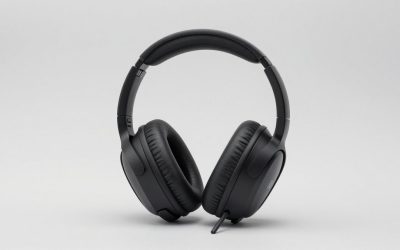
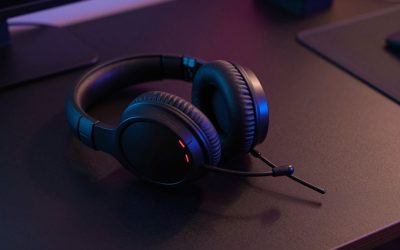
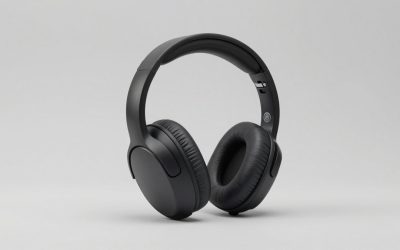
When you are chasing that chest-thumping, immersive low-end experience for your favorite games and tracks, standard audio gear simply will not cut it. The market is flooded with models promising seismic low frequencies, but marketing hype often masks muddy acoustics and bloated mid-bass that ruins your overall audio clarity. Navigating the choices requires cutting through the noise and understanding the core acoustic engineering principles that govern how bass is physically produced, delivered, and perceived by your ears.
Whether you are upgrading your setup for competitive gaming immersion or deep electronic music listening in 2026, making an informed purchasing decision means looking past flashy terminology. This comprehensive guide breaks down the critical hardware specifications, design factors, and common pitfalls you need to evaluate so you can invest in a pair of headphones that delivers clean, powerful, and accurate sub-bass without sacrificing the rest of the soundstage.
As an Amazon Associate we earn from qualifying purchases at no extra cost to you.

Understanding Driver Size and Acoustic Type
The foundation of any heavy low-end performance rests entirely upon the headphone drivers. The vast majority of heavy-bass models utilize dynamic drivers because their flexible diaphragms are uniquely capable of moving large volumes of air to create physical impact. While planar magnetic drivers offer incredible speed and texture, dynamic drivers generally excel at producing that visceral slam associated with heavy sub-bass notes. When evaluating driver size, keep in mind that a larger millimeter diameter does not automatically translate to better performance. The tuning, magnet strength, and voice coil quality matter just as much as the sheer physical size of the transducer diaphragm inside the ear cup.
Frequency Response and Low-End Extension
Manufacturers love to print wide frequency response ranges on their boxes, but looking at raw numbers on a spec sheet can be deeply misleading. What actually matters is how linear and extended the low-frequency response is during actual playback. You want to look for headphones that maintain a strong sub-bass presence down into the lowest audible ranges without rolling off prematurely. A well-tuned low-end provides deep extension that you can feel distinctly separate from the upper-bass. Avoid models that artificially boost the mid-bass frequencies excessively, as this creates a muddy listening experience that masks footsteps, dialogue, and intricate instrumental details.
Closed-Back Versus Open-Back Enclosures
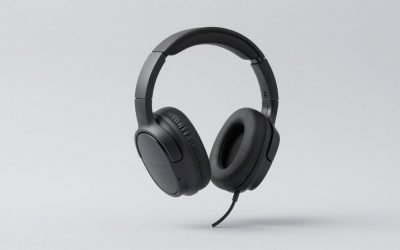
Enclosure design is perhaps the single most influential physical factor determining your low-end experience. Closed-back headphones feature sealed ear cups that physically trap the air pressure generated by the drivers, creating a natural acoustic chamber that significantly enhances bass volume and isolation. This design prevents sound from leaking out and environmental noise from leaking in, making it the superior choice for punchy, impactful low frequencies. Open-back headphones allow air to pass freely through the ear cups, resulting in a wider, more natural soundstage, but they inherently leak low-end energy and struggle to produce that visceral slam that dedicated bass enthusiasts crave.
Impedance, Sensitivity, and Amplification Needs
Driving massive low frequencies requires serious electrical power. Low-impedance headphones are generally easier to power directly from a standard smartphone, console controller, or motherboard, but they may lack the tight control required for distortion-free heavy bass. Conversely, higher impedance models demand dedicated external amplification or a robust DAC to push the drivers adequately. If your source gear lacks sufficient power output, heavy bass tracks will quickly clip, distort, or sound loose and uncontrolled. Always match your headphone impedance rating to the output capabilities of the device you plan to plug them into daily.
Ergonomics, Clamping Force, and Seal Integrity
Even the finest acoustic engineering in the world will fail to deliver proper low frequencies if your headphones do not maintain a tight, consistent seal against your head. Bass frequencies are notoriously sensitive to air leaks; if your ear pads compress unevenly or your frames lack sufficient clamping force, the low-end pressure escapes entirely, leaving your audio sounding thin and hollow. Look for thick, memory foam ear cushions wrapped in soft protein leather or breathable fabric that conforms snugly around your ears. A secure, comfortable fit ensures that the acoustic chamber remains airtight, preserving the deep sub-bass response during long gaming sessions.
Hardware Bass Boost Switches and Software Tuning
Many modern listening devices feature hardware-level bass boost switches or companion software equalizers designed to artificially enhance the low-end response. Hardware switches often employ analog filters or physical chamber adjustments that shift the tuning safely without introducing digital distortion. When using software equalizers, however, boosting the low frequencies too aggressively can easily overdrive your drivers and ruin the audio balance. Use software adjustments sparingly as a subtle supplement to complement a natively strong acoustic signature rather than trying to completely rescue a fundamentally weak pair of headphones.
Avoiding Common Buying Mistakes
The biggest mistake buyers make is falling victim to exaggerated marketing buzzwords that promise unrealistic performance levels at bargain prices. Another frequent pitfall is ignoring comfort in favor of maximum low-end power; a heavy, poorly balanced headset will cause severe fatigue within an hour. Take the time to read independent acoustic measurements and user feedback focused specifically on clarity and distortion levels rather than just raw volume. Balancing your desire for impactful low frequencies with long-term comfort and durability ensures you end up with a reliable piece of gear.
Related Guides
To further refine your setup and explore top-tier options currently available on the market, check out our curated expert resources including the Best Bass Headphones roundup, the Best Most Durable Headphones guide for rugged everyday build quality, and the Best Surround Sound Headphones selection for ultimate spatial awareness.
FAQ
Does a larger driver always mean better bass?
No, driver size is only one factor among many. Acoustic tuning, magnet strength, and enclosure design play a much larger role in determining the quality and depth of the low-end response.
Do I need a headphone amplifier for bass-heavy headphones?
It depends entirely on the impedance and sensitivity ratings of the model you choose. Higher impedance headphones require dedicated amplification to deliver clean, distortion-free low frequencies without clipping.
Is closed-back always better for bass response?
Generally yes, because closed-back enclosures seal the ear cups and trap air pressure, creating natural acoustic reinforcement that enhances low-end impact and isolation compared to open-back designs.
How do I prevent ear fatigue when listening to heavy bass?
To prevent fatigue, avoid excessive listening volumes and take regular breaks every hour. Choosing a headset with clean, well-defined sub-bass rather than bloated mid-bass also significantly reduces listening strain.