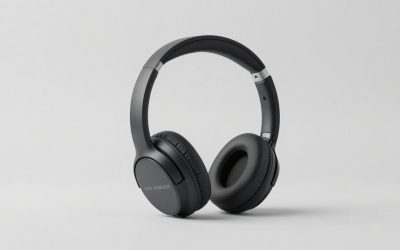
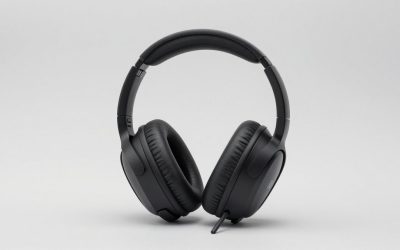
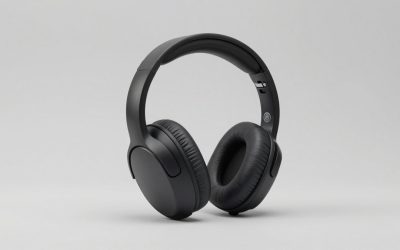
Shopping for a reliable audio setup can quickly become frustrating when your gear gives out after only a few months of intense gaming sessions. Whether you are slamming your headset down after a tense match or simply wearing it for eight hours a day during remote work, structural failure is the number one reason consumers have to repurchase peripherals. Entering 2026, manufacturers have made strides in material science, but marketing jargon still clouds the landscape, making it difficult to separate truly rugged gear from fragile plastic imitations with high price tags.
To bypass the hype and find hardware that stands the test of time, you need to look past flashy software features and focus on core engineering principles. Understanding which components bear the most mechanical stress, identifying inferior manufacturing shortcuts, and knowing how to evaluate warranty terms will completely change how you buy audio gear. This guide breaks down the objective specifications and physical traits that actually matter when you want a pair of headphones designed to last for years.
As an Amazon Associate we earn from qualifying purchases at no extra cost to you.

The Foundation: Frame Materials Matter Most
The core headband frame is the absolute backbone of any long-lasting headset. Cheap headphones rely entirely on unreinforced ABS plastic, which becomes brittle over time, especially when exposed to natural skin oils and routine flexing. When evaluating build quality, look for headbands built around a spring steel or extruded aluminum spine. These metals provide the necessary clamping force while retaining enough flexibility to accommodate various head sizes without snapping under pressure.
Keep in mind that even metal headbands can fail if they rely on plastic housing at the adjustment sliders. The junction where the headband meets the extension mechanism is a notorious weak point. Opt for designs where the adjustment track is entirely metallic or heavily reinforced with thick, impact-resistant polymer composites to ensure your investment does not fracture during routine sizing adjustments.
Hinges and Swivel Points: The Ultimate Failure Zone
If a headset is going to break, it will almost always fail at a hinge or a swivel point. These dynamic areas endure repetitive mechanical stress every single time you put the headphones on, take them off, or lay them flat on a desk. Single-axis plastic hinges are particularly vulnerable to cracking because they cannot handle torsional twisting when the earcups are pulled apart unevenly with one hand.
The most durable designs utilize multi-axis metal joints or heavy-duty pivoting blocks secured with torx screws rather than snap-fit plastic pins. If you prefer headphones that fold for travel, pay close attention to the hinge thickness and whether the pivot mechanism is shielded by an external metal plate. Avoiding overly complex folding mechanisms altogether is often the safest bet for maximum longevity.
Cables: Detachable vs Fixed and Braided vs Rubber
Cable failure is the silent killer of otherwise functional audio gear. Internal copper strands snap easily when cables are sharply bent, yanked accidentally under a chair wheel, or tightly wound around the headband for storage. To maximize durability, prioritize headphones featuring a fully detachable cable design. If a cable frays or a port gets damaged, replacing a twenty-dollar cord is infinitely cheaper than buying a brand new headset.
When looking at the cables themselves, tightly woven nylon braiding offers vastly superior protection against fraying, pet chewing, and friction wear compared to traditional smooth rubber coatings. However, ensure the braid is not overly stiff, as highly rigid braided cables can transfer mechanical noise directly into the earcups whenever they brush against your collar or shirt buttons.
Ear Cushion Longevity and Fabric Choices
While ear cushions do not impact structural survival, they dictate how long your headphones remain hygienic and comfortable to wear. Standard protein leather cushions inevitably flake and peel after a year or two of heavy use as sweat and ambient humidity break down the polyurethane coating. If long-term maintenance matters to you, look for models that use breathable athletic mesh, high-grade velour, or genuine leather.
More importantly, check whether the ear cushions are easily replaceable. Manufacturers often use proprietary clip-in rings that make finding aftermarket replacements nearly impossible, forcing you to buy directly from them at inflated costs. Standard slip-on or magnetic cushion attachments ensure you can swap out worn padding cheaply and extend the life of your setup indefinitely.
Weight Distribution and Clamp Force
Durability is not just about resisting drops and impacts; it is also about structural fatigue caused by continuous mechanical stress. If a headset has an improper clamp force combined with a poorly balanced weight distribution, the internal headband will constantly fight against its own frame, weakening the structural joints over extended periods of daily use.
A well-engineered suspension headband uses a flexible elastic strap beneath a rigid outer arch to distribute weight evenly across the top of your head. This design relieves stress from the critical side hinges and earcup mounts. By minimizing constant mechanical tension, the headset maintains its structural integrity much longer than traditional solid-arch designs that concentrate all downward pressure onto two tiny pivot points.
Avoiding Common Buying Mistakes
Buyers often make critical errors when shopping for rugged peripherals, usually driven by aesthetic appeal rather than practical engineering. One of the most common pitfalls is assuming that a heavy headset is automatically durable. Weight can sometimes be deceptive, added via decorative metal plates or unnecessary internal weights rather than structural reinforcement.
Another major mistake is ignoring the manufacturer warranty. Companies that use cheap plastics and poor construction rarely offer warranties longer than one year, whereas brands confident in their build quality routinely back their hardware with two to five years of coverage. Always check the warranty terms before purchasing, as robust manufacturer backing is the ultimate guarantee of real-world durability.
Related Guides
To help you find the absolute best options currently on the market, we have compared numerous models to evaluate their physical resilience. Check our recommendations for the Best Most Durable Headphones for top-tier picks. If you want immersive audio positioning, explore the Best Surround Sound Headphones. For high-impact acoustic performance, look over our Best Drum Headphones guide.
FAQ
Are wireless headphones inherently less durable than wired models?
Wireless headphones can be slightly more vulnerable due to the inclusion of internal batteries and circuit boards, which add weight and potential points of failure. However, build quality depends primarily on frame materials rather than connectivity type. A well-built wireless headset with a metal spine will easily outlast a cheaply made wired alternative.
How can I protect my headphone cables from fraying?
Avoid wrapping cables tightly around the headband or sharp objects, as this stresses the internal copper wiring. Instead, use loose, natural loops secured with velcro ties and unplug detachable cables when storing your gear in a backpack. Protecting the cord from sharp desk corners and chair wheels will also dramatically extend its lifespan.
Is it worth repairing a broken headphone hinge?
If the fracture occurs on a structural load-bearing metal joint, structural adhesives rarely hold up under normal clamp force. However, if the break is on a non-load-bearing plastic cosmetic shell, strong epoxy or plastic welding kits can sometimes salvage the device. If the headset is out of warranty and the main headband snaps, replacement is usually the safer financial option.
What type of ear pads last the longest?
Woven fabric and high-density velour ear pads generally outlast synthetic protein leather because they do not flake or peel when exposed to sweat and skin oils. While they absorb moisture rather than repelling it, they can be easily removed, washed, and replaced when necessary. This makes fabric cushions a superior long-term choice for users who game or listen for hours daily.