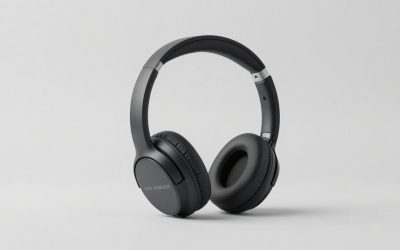
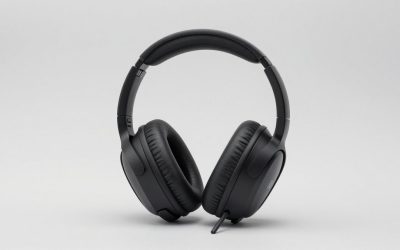
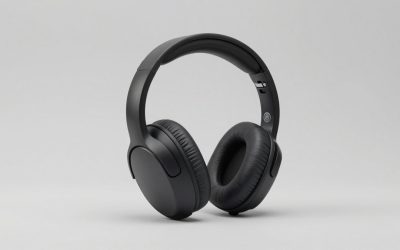
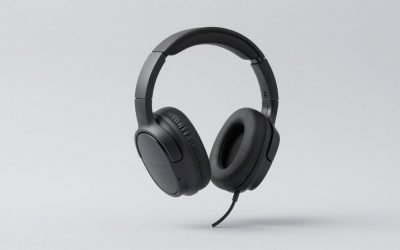
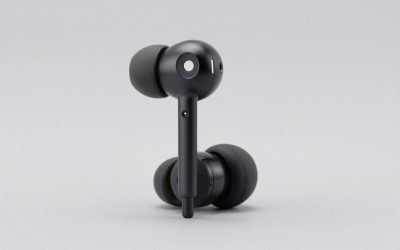
Stepping into the DJ booth requires gear that can withstand punishing conditions while delivering the precision needed for seamless beatmatching. Unlike casual listening devices or studio monitors designed for pristine, flat mixing environments, DJ headphones are purpose-built tools meant to isolate sound in loud clubs, swivel easily for one-ear monitoring, and survive being shoved into crowded gig bags night after night. Too many buyers get caught up in flashy marketing terminology, RGB lighting accents, or bloated frequency response numbers that do not translate to real-world performance behind the decks.
Navigating the market in 2026 means cutting through the noise to focus on structural resilience, acoustic sealing, and practical ergonomics. Whether you are cutting tracks in a dark basement club or practicing your transitions at home, understanding which specifications actually impact your workflow will save you money and frustration. This guide breaks down the core elements you need to evaluate before purchasing your next pair of DJ headphones, helping you separate essential features from expensive gimmicks.
As an Amazon Associate we earn from qualifying purchases at no extra cost to you.

Understanding Isolation: Passive Versus Active Cancellation
The single most important acoustic factor for any DJ is sound isolation. In a loud club environment, ambient bleed from the main sound system can make it nearly impossible to accurately cue your next track or catch timing discrepancies. Traditional DJ headphones rely entirely on passive isolation, which uses high-clamp force and dense memory foam ear cushions to physically block out external noise. This is the preferred method for performance because it introduces zero latency and does not alter the incoming monitor feed.
While consumer headphones heavily market Active Noise Cancellation (ANC), seasoned DJs generally avoid it for live mixing. ANC circuits process audio digitally, which can introduce subtle phase shifts, latency, or distortion when subjected to extremely high sound pressure levels found near subwoofers. Passive isolation remains the gold standard because it provides a reliable, natural barrier against ambient crowd noise and monitors without altering the raw frequency response of your mixer output.
Build Quality and Structural Flexibility
Durability is non-negotiable when evaluating DJ gear. You will pull these headphones on and off rapidly, twist them around your neck, and fold them down into tight spaces hundreds of times a year. Weak points like hinges, headband adjusters, and cable entry points are the first things to fail on cheap builds. Look for models constructed with reinforced plastics, metal reinforcement bands in the headband, and heavy-duty pivot mechanisms that allow a full range of motion without feeling loose or fragile.
Modular design is another indicator of a professional-grade product. The best performance headphones feature user-replaceable parts, including detachable cables and easily swappable ear pads. Since ear pads absorb sweat and oils during long sets, being able to replace them cheaply extends the lifespan of the entire unit by years, making initial investments in robust hardware much more cost-effective over time.
Driver Impedance and Sensitivity Explained
Specifications can be confusing, but two metrics matter immensely for DJs: impedance and sensitivity. Impedance, measured in ohms, determines how much electrical resistance the headphones present to your audio source. High-impedance headphones require more power to reach high volumes, but they often deliver tighter, more controlled bass reproduction and cleaner overall transients. Most performance models sit in a sweet spot that balances compatibility with mobile devices and raw power handling when plugged directly into professional DJ mixers or interfaces.
Sensitivity, measured in decibels per milliwatt, dictates how loud the headphones will get given a specific power input. High sensitivity is crucial for DJs because club mixers and headphone amplifiers need to drive the drivers to high volumes to punch through external noise without distorting the audio signal. Pairing high sensitivity with sturdy voice coils ensures your headphones can handle accidental volume spikes without burning out the drivers mid-set.
Cable Configuration and Connectivity
The debate between wired and wireless setups is largely settled in the professional DJ community: wired connections remain king. Wireless Bluetooth technology introduces a fraction of a second of audio latency, which can completely ruin tight beatmatching and cueing accuracy. Even milliseconds of delay make manual rhythm alignment frustrating and unreliable. Furthermore, wireless units rely on internal batteries that can degrade or die right in the middle of a multi-hour performance.
When choosing a wired model, examine the cable configuration closely. Single-sided detachable cables are ideal because they reduce tangling and allow you to replace the cord easily if it gets snagged. Many professional sets come packaged with both straight and coiled cables. Coiled cables offer fantastic flexibility, stretching when you move around the booth and retracting neatly so they never get caught on your mixer knobs or faders.
On-Ear Versus Over-Ear Designs
Ear cup style dictates both comfort and monitoring technique. On-ear designs rest directly on the ear cartilage, creating a tighter clamp that helps keep the headphones securely in place when you tilt your head or slide them onto one ear. They are generally more compact, lighter, and easier to pack away quickly. However, they can cause fatigue or soreness during extended multi-hour sessions due to the constant pressure against the ear.
Over-ear models enclose the entire ear inside the cushion, distributing clamp force more evenly around the skull rather than directly on the ear. This design usually offers superior passive isolation and enhanced bass response because it creates a complete acoustic seal. The trade-off is a larger physical footprint and less flexibility for DJs who prefer to slide one cup entirely off the ear while keeping the other planted.
When to Spend More on Premium Models
Budget allocation depends entirely on your frequency of use and performance environment. Entry-level models under a modest price point work wonderfully for bedroom practice, casual listening, and streaming setups where environmental noise is minimal. These units provide basic functionality and acceptable sound profiles without breaking the bank for beginners still learning the ropes.
Investing in higher-end gear becomes necessary once you transition to playing live venues, outdoor festivals, or mobile gigs where reliability is paramount. Premium models justify their cost through significantly stronger mechanical joints, higher-grade acoustic drivers that resist distortion at extreme volumes, and more comfortable, sweat-resistant materials. If your livelihood or performance reputation depends on your gear working flawlessly under pressure, upgrading to a pro-tier chassis is a worthwhile investment.
Related Guides
If you are looking to expand your audio setup beyond live performance gear, check out our comprehensive Best Dj Headphones roundup. For users who are exceptionally rough on their equipment, our guide on the Most Durable Headphones highlights models engineered to survive extreme physical wear. Additionally, if you need immersive audio for gaming and entertainment sessions, explore our curated picks for the Best Surround Sound Headphones.
FAQ
Can I use studio monitor headphones for DJing?
Studio monitors are designed for flat, neutral frequency reproduction in quiet rooms, whereas DJ headphones emphasize bass punch and high isolation. While you can technically use studio monitors, their open or semi-open backs will let in too much club noise, and their lighter clamp force makes them slide off easily.
Are wireless headphones practical for live DJ sets?
Wireless headphones are generally impractical for live DJing due to audio latency and battery reliability concerns. Even minor processing delays can disrupt manual beatmatching, making wired connections the definitive choice for professional accuracy.
Why do DJ headphones need to swivel?
Swiveling ear cups allow DJs to easily monitor the room with one ear while keeping the other ear covered by the headphone cup. This classic monitoring technique helps you balance crowd energy with precise cued tracks without removing the headset entirely.
How do I know if the impedance is right for my mixer?
Most modern DJ mixers and standalone controllers feature powerful built-in headphone amplifiers capable of driving a wide range of impedances effortlessly. Standard performance models fall within a versatile resistance range that guarantees high output volume without requiring dedicated external headphone amps.