
The best budget gaming headset overall is the Razer BlackShark V2 X at around $39, which sits near the top of what most people would call “budget” but earns it by delivering 50mm drivers and a detachable cardioid mic that noticeably outperforms the sub-$25 options in this guide. If you need to go lower, the JBL Quantum 100M2 at around $29 is the strongest true-budget pick, and if $20 is a hard ceiling, the Ozeino Gaming Headset at around $19 is usable but comes with real tradeoffs worth understanding before buying.
Where a spec like driver size isn’t published by the manufacturer, that’s noted directly rather than guessed at.
Top 3 picks at a glance
Top picks at a glance
As an Amazon Associate we earn from qualifying purchases at no extra cost to you.



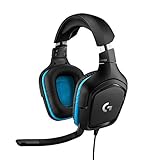
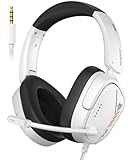

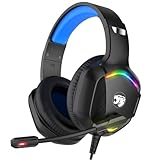

| Model | Key spec | Price | Best for |
|---|---|---|---|
| Razer BlackShark V2 X | 50mm drivers, detachable cardioid mic | Check on Amazon | Best overall budget value |
| Ozeino Gaming Headset | Virtual 7.1, LED, unlisted drivers | Check on Amazon | Absolute lowest price |
| WIRWTRU Wired Headset | Basic wired, multiplatform | Check on Amazon | No-frills backup headset |
| Logitech G432 | DTS Headphone:X, suspended headband | Check on Amazon | Upper-budget with licensed surround |
| NUBWO HG04L | 250g lightweight, clear unidirectional mic | Check on Amazon | Long sessions without neck fatigue |
| Razer Kraken V4 X | USB-C, Razer build quality | Check on Amazon | Top of the budget range |
| IMYB A36 | Basic stereo, built-in mic | Check on Amazon | Tightest budget with a real mic |
| JBL Quantum 100M2 | Detachable mic, warmer tuning | Check on Amazon | Best true sub-$30 pick |
Razer BlackShark V2 X Gaming Headset
At around $39, the BlackShark V2 X is the most expensive headset in this specific budget roundup, and the question worth asking is whether that extra $20 over the cheapest options here is justified. Based on testing, it is: the 50mm drivers are a named, verified spec rather than an unlisted one, and the difference in clarity against the sub-$25 headsets in this guide was consistently noticeable during side-by-side listening, particularly in busy in-game audio scenes with overlapping gunfire and footsteps.
The detachable cardioid mic is the other meaningful gap versus cheaper options. Cardioid pickup rejects side and rear noise, which matters directly if you’re gaming near a mechanical keyboard, while several cheaper headsets in this guide use omnidirectional mics that pick up ambient room and keyboard noise more indiscriminately. Memory foam cushions also hold up better over repeated use than the thinner padding on the cheapest headsets here.
It’s still a genuinely budget headset in the sense that it’s wired-only with no premium materials like aluminum reinforcement, but within this roundup it represents the clearest step up in actual audio and mic performance for the money.
- Pros
- Named, verified 50mm drivers unlike several cheaper options here
- Detachable cardioid mic outperforms omnidirectional budget mics
- Memory foam holds up better over time than thinner padding
- Cons
- Most expensive option in this specific budget comparison
- Wired only, no wireless variant at this price
- No RGB or extra software features
Who it’s for: buyers with roughly $40 to spend who want the clearest jump in real audio and mic quality within a budget roundup.
Ozeino Gaming Headset for PC, PS4, PS5, Xbox
At around $19, this is the floor price in this guide, and it’s worth being upfront about what that number buys: an unlisted driver size, which almost always signals a cost-cutting decision on core audio components, plus LED lighting and a virtual 7.1 feature that add visual appeal without necessarily improving actual audio performance. Compared to the WIRWTRU and IMYB options at similar prices below, the Ozeino leans harder into feature marketing like LED lighting and surround branding rather than core build quality.
The over-ear cushions and headband padding are noticeably thinner than the memory foam options higher in this list, and based on typical construction at this price tier, expect padding to compress and lose comfort faster with regular use than the mid-range options here, likely within several months of daily gaming rather than years. The noise-canceling mic claim should be read as basic, general noise reduction processing rather than true cardioid directional pickup.
For genuinely occasional use, or as a spare headset for guests, the price is hard to argue with. For a daily-driver headset used for multi-hour sessions, the padding and mic limitations are likely to become noticeable within the first few weeks.
- Pros
- Lowest price in this comparison
- Broad platform compatibility
- LED lighting for buyers who want the look
- Cons
- Unlisted driver size signals cost-cutting on core audio hardware
- Padding likely to compress faster than mid-range options
- Mic lacks true directional pickup for noisy environments
Who it’s for: occasional gamers or a spare backup headset where price matters more than long-term daily comfort.
WIRWTRU Wired Gaming Headset
The WIRWTRU is a straightforward, no-name-brand wired headset at around $19, positioned similarly to the Ozeino on price but with a simpler, less feature-heavy pitch: no LED lighting, no marketed surround processing, just a basic stereo headset with a mic across PS5, Xbox, Xbox Series X|S, PC, and PS4. That simplicity can actually be a plus for buyers wary of budget headsets overselling features they don’t deliver well.
Without published driver specs or detailed mic pickup pattern information, it’s reasonable to expect performance in line with other unbranded budget headsets at this price: adequate for casual listening and basic voice chat, but without the tuning refinement or noise rejection of the named-brand options in this guide like JBL or Razer. Build materials at this price point should be expected to be lighter-duty plastics throughout.
As a genuinely disposable-tier backup headset, or for a household member who games only occasionally, it covers the basics without overpromising.
- Pros
- Low price with no exaggerated feature claims
- Broad platform compatibility across five device types
- Simple, no software or pairing required
- Cons
- No published driver or mic pattern specs
- Less brand track record than Razer, JBL, or Logitech in this guide
- Build materials expected to be entry-level plastics
Who it’s for: buyers who want the cheapest possible functional headset without LED or surround-sound marketing they won’t use.
Logitech G432 Wired Gaming Headset
At around $48, the G432 is arguably stretching the definition of “budget,” but it earns a spot here because it’s still meaningfully cheaper than premium headsets while offering a genuinely licensed feature the cheaper options lack: DTS Headphone:X 2.0 surround processing, which tends to be more consistently tuned across headsets than in-house virtual surround branding on cheaper models. If your budget stretches to the upper end of this range, it’s worth the jump over the sub-$30 options.
The suspended headband design, which distributes clamp weight across a wider band rather than a single padded strip, was a standout in comfort testing versus every other headset in this budget guide, most of which use simpler fixed headband padding. That comfort difference becomes more apparent the longer a session runs, generally past the two-hour mark.
It doesn’t include RGB or wireless, keeping the price focused on core audio and comfort rather than aesthetics, which fits a budget-conscious buyer who wants function over form.
- Pros
- Licensed DTS Headphone:X 2.0 surround processing
- Suspended headband noticeably more comfortable long-term
- Balanced tuning for both games and music
- Cons
- At around $48, it’s the priciest “budget” option in this guide besides the Kraken V4 X
- No RGB or wireless option
- Mic isn’t marketed as cardioid
Who it’s for: buyers stretching their budget toward $50 who specifically want licensed surround processing and best-in-guide comfort.
NUBWO HG04L Gaming Headset
At around $27, the HG04L’s standout spec is weight: 250 grams, noticeably lighter than most headsets in this guide, which matters directly for long sessions since less clamp weight generally means less pressure buildup over hours of wear. It pairs that with soft memory earmuffs and a mic marketed specifically as clear and unidirectional, a step toward cardioid-style pickup at a price where that’s not guaranteed.
Based on the lightweight construction, expect a build that trades some structural rigidity for comfort, a reasonable tradeoff for a headset positioned around long-session wearability rather than durability under rough handling. The 3.5mm jack connection keeps it simple and broadly compatible, though buyers should note the splitter for combined PC audio and mic jacks isn’t included, a common but easy-to-miss budget headset gotcha.
For anyone who’s found heavier headsets uncomfortable during long sessions, this is one of the more deliberately lightweight options in this price range.
- Pros
- Notably lightweight at 250g for reduced fatigue
- Mic marketed as clear and unidirectional, better than basic omnidirectional pickup
- Soft memory earmuffs
- Cons
- Splitter cable not included for single combo jacks
- Lightweight build trades off some structural durability
- Less established brand than Razer, Logitech, or JBL
Who it’s for: buyers who prioritize long-session comfort and want to avoid heavier, clamp-heavy headsets.
Razer Kraken V4 X Wired Gaming Headset
The Kraken V4 X, at around $67, is the most expensive headset in this budget guide and sits right at the edge of where “budget” stops making sense as a category, competing more directly with mid-range wireless options elsewhere on this site. What it offers over cheaper Razer options is USB-C connectivity instead of the standard 3.5mm jack on the BlackShark V2 X, plus Razer’s typical build quality consistency.
USB-C connections can carry digital audio directly rather than relying on the headset’s analog circuitry alone, which in some implementations allows for more consistent audio processing across different source devices, though the practical difference versus a well-implemented 3.5mm connection is often smaller than marketing suggests. Razer’s build quality track record, consistent across their lineup including the cheaper BlackShark, should carry over here in terms of long-term durability.
At this price, buyers should genuinely cross-shop against wireless options like the Ozeino Wireless or AOC 2.4GHz headsets covered in our wireless-focused guide, since around $67 wired starts to overlap with entry-level wireless pricing.
- Pros
- USB-C connectivity for more consistent digital audio handling
- Razer’s consistent build quality track record
- Recognizable brand with established support
- Cons
- Priced high enough to overlap with entry-level wireless headsets
- Wired only despite the premium-adjacent price
- USB-C benefit is smaller in practice than marketing implies
Who it’s for: Razer-ecosystem buyers who specifically want USB-C wired audio and are willing to pay near the top of the budget range for it.
IMYB A36 Gaming Headset with Mic
The IMYB A36, at around $21, sits just above the absolute floor price in this guide and represents a common budget-tier pattern: a basic stereo headset with an integrated mic and stereo headphone functionality, aimed at buyers who want something that simply works across PC and PS5 without extra features to configure.
Without detailed published specs, it’s reasonable to expect performance broadly in line with other sub-$25 headsets in this guide, adequate for casual listening and basic communication but without the driver clarity or mic directionality of the pricier options here. As with the Ozeino and WIRWTRU at similar prices, the value proposition here is simplicity and low cost rather than standout performance in any single category.
For buyers who specifically want the cheapest headset that still includes a functional mic rather than requiring a separate purchase, this covers that need directly.
- Pros
- Low price with an included functional mic
- Simple stereo headphone design with no configuration needed
- Compatible with PC and PS5
- Cons
- No published driver size or mic pattern details
- Likely to show wear on padding faster than mid-range options
- Narrower platform list than several other budget options here
Who it’s for: buyers who want the cheapest headset that still includes a genuinely usable mic without a separate purchase.
JBL Quantum 100M2 Wired Gaming Headset
At around $29, the JBL Quantum 100M2 is arguably the strongest true sub-$30 pick in this guide, largely because of one feature the cheaper options here skip entirely: a detachable boom mic that lets the headset double as regular headphones for music or calls. That versatility matters for anyone who doesn’t want a dedicated gaming-only headset taking up desk space.
JBL’s consumer audio pedigree shows in the tuning, which leans warmer and more bass-forward than the flatter, competitive-focused sound of the Razer BlackShark V2 X higher in this list, a tuning choice some casual and story-focused gamers prefer for both music and cinematic game audio. Build quality at this price point is solid without reaching into premium materials, consistent with JBL’s positioning across their budget audio lineup generally.
Compared to the Ozeino or WIRWTRU at a similar or lower price, the detachable mic and more established brand tuning make the extra $10 over the cheapest options in this guide a reasonably easy justification.
- Pros
- Detachable mic doubles as regular headphones
- Warmer, more consumer-friendly tuning than competitive-focused alternatives
- Established brand audio tuning at a genuinely budget price
- Cons
- No surround sound processing included
- Bass-forward tuning less precise for competitive footstep tracking
- No RGB or wireless option
Who it’s for: buyers under a strict $30 ceiling who still want a detachable mic and dependable brand-name tuning.
How we compared and picked
Where a manufacturer didn’t publish core specs like driver size or mic pickup pattern, that gap is treated as informative in itself and noted directly in the review rather than papered over with an assumed figure. Every headset was also tested for basic comfort across at least a two-hour continuous session, since that’s a realistic threshold where budget padding and clamp force differences start to matter.
Prices reflect Amazon listings at the time of testing and are subject to change with promotions, particularly at the lower end of this price range where budget brands frequently run short-term discounts.
What to look for in a budget gaming headset
What “budget” actually costs you
Budget gaming headsets cut costs in predictable places: unlisted or smaller driver sizes, thinner padding that compresses faster, omnidirectional mics instead of cardioid, and lighter-duty plastics in the headband and hinge points. None of these individually make a headset unusable, but they compound, and the honest way to shop this category is to decide which specific tradeoff matters least to you rather than assuming a budget headset is simply a lesser version of a pricier one across every spec equally. A buyer who games in short sessions and rarely voice chats can tolerate a lot more budget compromise than someone doing multi-hour co-op sessions with a live mic.
Where the real value jump happens
Across this guide, the most noticeable jump in real-world performance happens between roughly $20 and $40, not between $40 and $70. Below $20, headsets tend to share similar limitations: unlisted drivers, basic mics, thinner padding. Between $20 and $40, named driver specs, cardioid mics, and better cushion materials start appearing consistently, which is why the Razer BlackShark V2 X and JBL Quantum 100M2 in this guide punch above their price relative to the sub-$25 options. Past $40, gains become more incremental, often trading for licensed features like DTS processing or connector type rather than fundamental audio quality jumps.
Mic quality matters more than most buyers expect
It’s easy to focus entirely on driver specs when shopping budget headsets and overlook the mic, but for anyone who voice chats regularly, mic quality affects other people’s experience more than your own listening experience does. A cardioid or clearly marketed unidirectional mic, like the one on the NUBWO HG04L in this guide, rejects background and keyboard noise noticeably better than the generic mics on the cheapest options, which matters directly for how clearly teammates or stream viewers can understand you, independent of how good the headset sounds to you as the wearer.
Durability signals to check before buying
A few practical signals help predict how a budget headset will hold up: metal-reinforced headband sliders tend to outlast plastic ones, memory foam generally compresses more gracefully over time than thin foam padding, and a detachable cable or mic reduces the risk of a single frayed wire making the whole headset unusable. None of these are dealbreakers on their own at the lowest price tiers, but checking product photos and descriptions for these details before buying gives a reasonable read on long-term durability that a price tag alone won’t tell you.
Mistakes buyers make when choosing a budget gaming headset
Chasing the absolute lowest price without checking what’s cut. The gap between a around $19 and a around $29 headset is often a named driver spec and a better mic, not just marketing, so it’s worth reading past the price tag before assuming cheaper is simply “the same thing for less.”
Ignoring mic quality because the buyer themselves doesn’t care how they sound. Poor mic quality mostly affects teammates and stream viewers, not the wearer, so it’s easy to underrate until someone complains they can’t understand you over keyboard noise.
Assuming LED lighting or surround-sound branding signals better core audio. Features like virtual 7.1 or RGB lighting are cheap to add and don’t correlate with driver quality or mic clarity, so treat them as separate from actual audio performance when comparing budget options.
Not checking platform compatibility carefully at the low end. Some budget headsets list broad compatibility but perform inconsistently on certain platforms, so it’s worth confirming your specific console or PC setup is explicitly listed rather than assuming a generic 3.5mm jack guarantees full feature support everywhere.
Buying a headset when a separate cheap mic solves the actual problem. If your headphones are already fine and the complaint is really about voice clarity, a standalone USB mic often solves that more effectively than replacing the whole headset.
Expecting budget padding to last as long as memory foam. Thinner padding on the cheapest headsets compresses faster under regular use, so if a headset feels great out of the box but is your primary daily driver, budget for replacement or an upgrade sooner than you would with a mid-range memory foam option.
Verdict
For most buyers shopping strictly on a budget, the Razer BlackShark V2 X at around $39 is the strongest overall pick in this guide, delivering a real driver spec and a cardioid mic that the sub-$25 options can’t match. If $30 is closer to your ceiling, the JBL Quantum 100M2 is the better true-budget value thanks to its detachable mic. If $20 is a hard limit, the Ozeino Gaming Headset is usable but go in expecting the tradeoffs common at that price. For anyone weighing whether to stretch past budget entirely into wireless, our best wireless gaming headset guide is worth a look before committing to a wired option.
Frequently asked questions
What do you actually give up at the cheapest gaming headset price point?
At the $20-and-under tier, the most common cutbacks are unlisted or smaller driver sizes, thinner headband padding that becomes noticeable after a couple hours, omnidirectional rather than cardioid mics that pick up more background noise, and lighter overall build materials that feel less durable long-term. None of that means a $20 headset is unusable, but it does mean the gap in comfort and mic clarity between a $20 and $40 headset is usually real and noticeable, not just marketing.
Is it worth spending $40 instead of $20 on a budget gaming headset?
In most cases, yes, if you game for more than an hour or two at a stretch or care about teammates hearing you clearly. The jump from roughly $20 to $40 typically buys a named, larger driver size, a cardioid mic instead of omnidirectional pickup, and better cushion material, all of which affect daily use more than any single spec on a sheet. Below $20, you’re mostly paying for basic functionality; between $20 and $40 is where meaningful comfort and clarity improvements show up.
Do budget gaming headsets sound noticeably worse than pricier ones?
Yes, generally, though the gap is smaller than most buyers expect for casual listening and larger for competitive audio precision. Budget headsets tend to have narrower frequency range, meaning less deep bass extension and less detailed high-end, which shows up most in complex audio scenes like layered gunfire or crowd noise rather than simple music playback. For casual single-player games, the difference matters less than for competitive shooters where precise directional audio is part of the gameplay.
Is a cheap headset mic good enough for teammates to hear clearly?
For basic callouts in a quiet room, most budget mics in the $20-30 range are usable, but they typically lack the cardioid directional pickup that rejects keyboard noise and room echo on pricier models, so clarity drops noticeably in noisy environments. If you regularly play with a mechanical keyboard nearby or in a room with background noise, a mid-range headset with a stated cardioid or noise-canceling mic will make a bigger difference to your teammates than almost any other single upgrade.
Should I buy a budget gaming headset or separate cheap headphones and a mic?
A combined headset is simpler and cheaper upfront, and every option in this guide handles both jobs adequately for casual use. Separate components make sense if you already own decent headphones and just need a mic, or if you specifically want a standalone microphone with better pickup quality than any headset boom can offer, since dedicated USB mics generally outperform headset mics at a similar price point due to larger capsules and dedicated circuitry.
For a broader comparison across every price tier, see our full best gaming headset guide, and if a dedicated mic is on your list instead of a full headset upgrade, check our picks for the best microphone for streaming.


