When you shop for a mechanical keyboard beyond the basics, one term keeps appearing: hot-swap. It refers to how the switches attach to the board, and it changes what you can do with the keyboard later. The alternative is a traditional soldered board, where switches are permanently fixed. Neither is strictly better, but one suits tinkerers and the other suits set-and-forget users. This guide explains the difference so you buy the right kind for how you actually use a keyboard.
As an Amazon Associate we earn from qualifying purchases at no extra cost to you.


Top 3 picks at a glance
How each type works
On a hot-swap keyboard, each switch plugs into a socket on the circuit board, so you can pull it out and push a new one in by hand, no tools or soldering required. On a soldered keyboard, the switch legs are melted into the board with solder, making a permanent electrical joint. Changing a switch on a soldered board means desoldering and resoldering, which needs an iron and some skill.
Why hot-swap appeals
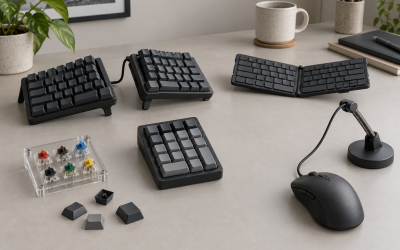
Hot-swap lets you try different switches, replace a single dead switch, or completely change the typing feel without any technical work. For anyone curious about the hobby or unsure which switch they prefer, it removes the fear of committing. It also makes repairs trivial: a failed switch is a 30-second fix rather than a soldering job.
| Factor | Hot-swap | Soldered |
|---|---|---|
| Change switches | By hand, no tools | Requires desoldering |
| Repair a dead switch | Easy | Technical |
| Sturdiness of joint | Very good | Rock solid |
| Price at same tier | Slightly higher | Slightly lower |
| Best for | Experimenters | Set-and-forget users |
Which should you buy?
Buy hot-swap if you want to experiment with switches, might change the feel later, or want easy repairs, which describes most people entering the hobby. Buy soldered only if you have found the exact switch you love, want the most rock-solid connection, or are building a board and comfortable with an iron. For the vast majority of buyers today, hot-swap is the more flexible and beginner-friendly choice, and the small price premium is worth the freedom.
Quality considerations
Good hot-swap sockets are durable and rated for many insertions, so reliability is rarely a concern on reputable boards. Insert switches straight and check that both pins are undamaged before pushing them in, since a bent pin is the main cause of a non-working key. Soldered joints are essentially permanent and very robust.
Frequently asked questions
Is hot-swap less reliable than soldered?
On a quality board, no. Modern hot-swap sockets are rated for many switch changes and hold firmly during normal typing. Reliability problems usually come from bent switch pins during installation, not the socket itself. Insert switches carefully and a hot-swap board will serve reliably for years.
Can I put any switch in a hot-swap board?
Most hot-swap boards accept standard MX-style switches, which covers the large majority of switches sold. Check whether the board supports 3-pin, 5-pin, or both, since 5-pin switches have extra plastic legs that a 3-pin socket cannot take unless you clip them. Optical switches need a matching optical board and are not cross-compatible.
Bottom line
Hot-swap keyboards let you change and repair switches by hand with no soldering, making them the flexible, beginner-friendly choice for anyone who might experiment. Soldered boards give a permanent, rock-solid joint at a slightly lower price and suit users who have settled on one switch. For most buyers, hot-swap is worth the small premium for the freedom it provides.