
A separate headphone and microphone setup almost always sounds better than an all-in-one gaming headset, because dedicated components outperform combined ones at the same price, but a headset wins on cost, simplicity, and desk space. The right choice depends on which of those four factors matters most to you, so here’s how they actually compare on paper and in practice.
As an Amazon Associate we earn from qualifying purchases at no extra cost to you.


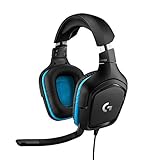
Top 3 picks at a glance
The core trade-off in one table
Before getting into the details, this is the shape of the decision. Everything below explains why these numbers land where they do.
| Factor | Gaming headset (all-in-one) | Headphones + separate mic |
|---|---|---|
| Typical total cost | $60–$250 | $120–$400+ |
| Voice quality (measured clarity) | Fair to good | Good to excellent |
| Audio quality (music/game sound) | Good | Very good to excellent |
| Desk space needed | None extra | 6–12 inches for a boom arm |
| Keyboard noise pickup | Low to moderate | Moderate to high (without filtering) |
| Part lifespan if one component fails | Whole unit often replaced | Replace only the broken part |
| Setup complexity | Plug and play | Extra cable, mixer, or audio interface likely |
Total cost: the math isn’t as close as it looks
A decent gaming headset in the $100–$150 range gives you a mic and drivers that are both “good enough.” To match that with separate components, you’re typically looking at:
- Open-back or closed-back headphones with accurate drivers: $80–$200
- A dedicated USB or XLR microphone: $50–$150
- A boom arm: $20–$40
- An audio interface or mixer, if going XLR: $40–$120
Add it up and a basic USB mic plus mid-range headphones setup lands around $150–$300, while an XLR setup with an interface pushes toward $250–$450. So the realistic cost gap between “good headset” and “good separate setup” is usually $100–$250, not a trivial amount, but also not as dramatic as comparing a $60 headset to a $400 streaming rig.
The break-even point: if you only care about voice quality a notch above a headset mic, a $50–$70 USB microphone paired with headphones you already own closes most of the gap for well under $100 extra. The big cost jump only happens once you chase studio-grade clarity.
Measured voice quality: why separate mics win
Headset microphones are physically small (often 4–6mm capsules) and mounted close to a boom that flexes near your mouth, which helps proximity but limits the capsule’s ability to capture frequency range cleanly. Most headset mics have a narrower frequency response, commonly rolling off below 100Hz and above 10kHz, which cuts bass warmth and high-end detail from your voice. That’s fine for squad callouts, noticeably thinner for streaming or recording.
A dedicated condenser or dynamic mic, even an entry-level one, typically captures 20Hz–20kHz or close to it, with a larger diaphragm that picks up more natural tone. Dynamic mics (like broadcast-style XLR mics) also reject more room noise by design, which matters if you’re not in a treated room.
Practical difference: on a voice call, a headset mic sounds clear but slightly compressed and nasal. A $70–$100 USB condenser sounds fuller and closer to how you actually sound in person. Whether that difference matters depends on your use case — teammates on Discord won’t care, viewers on a stream or listeners on a podcast will.
Desk and room space: the boom arm problem
This is the trade-off spec sheets never mention. A headset needs zero extra space — it lives on your head or a hook. A separate mic on a boom arm needs real clearance:
- Boom arms typically need 6–12 inches of swing radius to go from parked to mouth position
- Desk clamps require 1–3 inches of clear edge thickness (slatted or very thin desks can be a problem)
- If the mic sits in front of your monitor, you lose visual space or need to shift your monitor back
- Rooms with hard walls and no soft furnishing will make the mic pick up more echo, which a headset mic’s proximity placement mostly avoids
If your desk is small, shared, or frequently cleared off (think a kitchen table setup), a boom arm is a real daily hassle. This single factor pushes a lot of people back toward headsets even when they’d prefer the sound of a standalone mic.
Keyboard noise pickup: where headsets quietly win
This is counterintuitive but worth knowing. A headset mic sits 1–3 inches from your mouth, so the ratio of your voice to keyboard noise is high even on a loud mechanical board. A desk-mounted condenser mic, especially a cardioid or omnidirectional one without careful gain staging, often picks up noticeably more keyboard clatter because it’s farther from your mouth and closer to the desk surface.
Fixes if you go the separate-mic route:
- Use a dynamic mic instead of a condenser — dynamics need you to be closer and reject more off-axis sound, which cuts keyboard noise
- Apply a noise gate or RNNoise-style suppression in software (available free in tools like a voice meeter or OBS’s audio filters) — this cuts most keyboard clatter without hurting voice clarity
- Switch to a quieter keyboard switch type (linear or quieter tactile switches reduce acoustic noise at the source)
- Position the mic above and slightly in front of your mouth rather than directly over the keyboard, angling the null point of the capsule toward the keys
If you’re not willing to add noise suppression software, a headset will sound cleaner on calls despite having lower raw mic fidelity.
Lifespan and repairability
This is the most overlooked factor and it compounds over years of use. In a gaming headset, the mic, drivers, headband padding, and cable are all one unit. When the mic boom cracks or one driver starts crackling, you’re usually replacing the whole headset, not a $15 part.
With a separate setup:
- If the mic fails, you replace a $50–$150 item and keep your headphones
- If the headphones wear out (ear pads are usually the first thing to go), many popular models sell replacement ear pads for $15–$30, extending the life of the whole unit by another year or two
- Cables are typically detachable and replaceable on both headphones and mics in this setup, which isn’t always true of headsets
Over a 3–5 year span, this difference matters. A $150 headset with a non-replaceable cable or fused mic boom often gets fully replaced once something breaks. A $120 pair of headphones plus a $70 mic can have individual parts swapped as they wear, often extending real usable life well past what a headset manages for similar money.
Decision matrix: which one fits you
| Your situation | Better choice |
|---|---|
| Casual gaming, Discord with friends, budget under $150 | Gaming headset |
| Small or shared desk, no room for a boom arm | Gaming headset |
| Streaming, content creation, or voice is a big part of your output | Headphones + separate mic |
| Loud mechanical keyboard and no interest in noise-gate software | Gaming headset |
| Want to upgrade parts individually over time instead of replacing everything | Headphones + separate mic |
| Want the best possible music/game audio quality for the money | Headphones + separate mic |
| Need one cable, no extra setup, truly plug and play | Gaming headset |
A reasonable middle ground
If you’re on the fence, the lowest-friction upgrade path is to keep your current headphones (or buy a solid closed-back pair) and add a budget USB microphone with a basic boom arm or desk stand. This gets you most of the voice quality gain without committing to a full XLR interface setup, and it keeps the option open to upgrade either side independently later. It’s also the easiest way to test whether desk space and keyboard noise are actually going to bother you before spending more.


