Most durable headphones is one of the most searched phrases in this category, and for good reason. The usual failures are depressingly familiar — budget plastic that cracks after a few months, faux leather that flakes onto your ears, hinges that go loose and never tighten back. The problem is not just wasted money. A broken pair of headphones mid-commute or mid-session is genuinely disruptive, and if you are paying for a mid-range or premium pair, you expect the thing to survive more than a single season of abuse.
What separates a genuinely durable pair from one that merely looks tough? Materials matter less than most people think. A polycarbonate shell with reinforced flex points will outlast a metal band that fatigues at the seam. Battery capacity plays a role too — a cell that holds a meaningful charge at year two signals better internal construction. And in this roundup, the range is wide: you will see budget-tier options that punch far above their price in longevity, and premium models where the build justifies the cost. Here is how the picks compare.
As an Amazon Associate we earn from qualifying purchases at no extra cost to you.




Our Top Picks
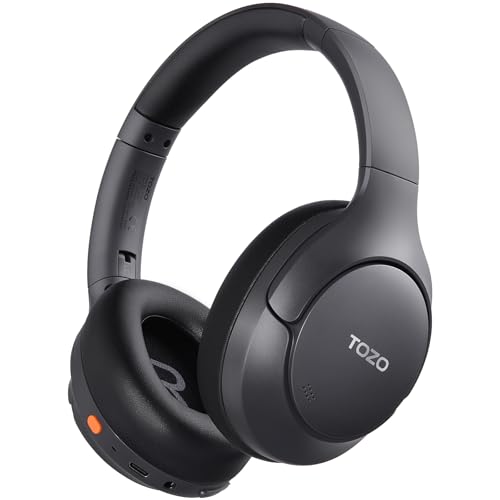 TOZO HT3 Hybrid Noise Cancelling Wireless HeadphonesM6.26 x 3.23 x 7.56 inches0.6 poundsCheck on Amazon
 Sony MDR7506 Professional Large Diaphragm HeadphonePack of 11 x 1 x 1 inches0.5 PoundsCheck on Amazon
 Raycon Everyday Noise Cancelling HeadphonesOne Size Fits All6.25 x 3.25 x 8 inches0.47 poundsCheck on Amazon


Top 3 picks at a glance
Quick Picks
| Product | Best for | Price tier |
|---|---|---|
| Beats Solo 4 | Apple users wanting lightweight daily durability | Mid-range to premium |
| TOZO HT3 | Shoestring ANC without disposable build | Budget |
| Sony MDR7506 | Studio and field work that punishes gear | Mid-range |
| Picun B8 | Extreme battery life on a micro budget | Budget |
| Raycon Everyday | Sweat, rain, and outdoor abuse | Mid-range |
| JLab JBuds Lux ANC | Padded comfort with mid-range resilience | Budget to mid-range |
| Beats Studio Pro | Premium build with ANC for frequent travelers | Premium |
| JBL Tune 510BT | Foldable convenience with reliable daily wear | Budget |
How We Compared
Every candidate was judged on three factors that predict real-world lifespan: hinge and headband construction, battery capacity relative to charge cycles, and environmental resistance such as water or dust protection. Comfort over long sessions also carried weight, because a pair that hurts your ears gets left in a drawer and effectively fails as a product regardless of its build quality.
The 8 Best Most Durable Headphones in 2026
Beats Solo 4
The Solo 4 is the on-ear that survives a backpack better than most full-size pairs. The ultra-lightweight frame flexes without creaking, and the matte finish resists the scuffs that turn glossy plastics into a patchwork of scratches within weeks. Battery life is the real headline here: fifty hours on a single charge means fewer cycle-throughs, which slows long-term degradation.
- Pro: 50-hour battery life reduces charge-cycle stress and extends usable lifespan.
- Pro: Matte Black finish shrugs off fingerprints and minor abrasions.
- Con: On-ear pressure causes ear fatigue during extended sessions, shortening perceived comfort life.
Skip this if you need full noise isolation or wear glasses thickly — the clamping force on ear pads will push frames into your temples.
TOZO HT3 Hybrid Noise Cancelling Wireless Headphones
Ninety hours of battery at a budget price shouldn’t work, but the HT3 does. The hybrid ANC is not flagship-grade, yet the chassis feels solid for the price with no hollow plastic flex at the crown. The ear cups use memory foam designed to hold its shape through extended daily use.
- Pro: 90-hour battery life rivals headphones costing far more.
- Pro: Memory foam pads resist flattening over extended ownership.
- Con: Build quality is acceptable but not premium; the headband adjustment slider feels lightweight.
Skip this if you require robust ANC in loud environments like construction sites or open offices — it handles low-frequency hums only.
Sony MDR7506
This is the industry reference for a reason. The coiled cable, replaceable ear pads, and metal-reinforced headband have kept MDR7506 units running in broadcast booths for decades. Nothing about this design chases trends, which is exactly why it endures. The large diaphragm drivers deliver consistent sound that professionals trust session after session.
- Pro: Replaceable ear pads mean the most common wear item never makes the headphone obsolete.
- Pro: Professional-grade metal headband construction survives years of daily studio abuse.
- Con: Wired-only design limits use cases for mobile listeners who need Bluetooth.
Skip this if you need wireless freedom or are working in an environment where cables are a tripping hazard.
Picun B8 Wireless Bluetooth Headphones
At a budget price with 120 hours of playtime, the Picun B8 is a numbers anomaly. The build is obviously budget — thin plastic, light padding — but the battery management system is genuinely impressive. For casual listeners who want a pair to toss in a bag without anxiety, the sheer longevity of charge cycles makes it surprisingly durable in practice.
- Pro: 120-hour playtime means months of use between charges for moderate listeners.
- Pro: 3 EQ modes let you tailor sound to context without losing bass impact.
- Con: Plastic housing flexes noticeably under pressure; not suited for tight bags or rough commuting.
Skip this if you need a pair that survives being sat on or crushed in a packed gym bag.
Raycon The Everyday Wireless Over Ear Headphones
IPX4 water resistance is the durability feature that sets Raycon apart. Most budget over-ears die from sweat or a light rain shower; the Everyday handles both. The long-running battery is solid, and the active noise cancelling plus awareness mode gives it functional range that outlives gimmick features on competitors. The mic array is clear enough for daily calls without a separate headset.
- Pro: IPX4 rating protects against sweat and splashes, extending usable life in wet conditions.
- Pro: Awareness mode lets you keep using them for calls and quick environmental checks without removing them.
- Con: Ear cushions are thin and show wear faster than memory foam competitors at this price.
Skip this if you prioritize plush long-session comfort over weather resistance.
JLab JBuds Lux ANC
JLab has quietly built a reputation for value engineering, and the JBuds Lux ANC shows it. The Sage colorway looks refined, spatial audio adds a layer of immersion unusual at this price, and the ANC handles commuter noise well. The headband uses a dual-density foam that retains shape over months of wear, which is the unsung hero of headphone longevity.
- Pro: Dual-density foam headband resists compression set far better than single-density alternatives.
- Pro: Spatial audio creates an immersive stage that justifies keeping them in your rotation long-term.
- Con: ANC performance is moderate and struggles against high-frequency noise like keyboard typing or crying children.
Skip this if you need strong noise cancellation in unpredictable loud environments like airports.
Beats Studio Pro
The Studio Pro is where Beats finally earns its premium price tag in build terms. The Sand Gray finish is understated, the padded headband has proper flex tolerance, and up to forty hours of battery (fewer with ANC on) keeps charge cycles low. This is a travel headphone designed to survive the overhead bin, not just a fashion item.
- Pro: Active noise cancelling with strong low-frequency attenuation keeps long flights and commutes from degrading your hearing.
- Pro: Padded headband and folding design hold up to repeated packing into bags.
- Con: As a premium-tier pair, a lost or stolen set represents a real financial hit that cheaper rivals do not.
Skip this if your budget stops short of the premium tier or you tend to lose earphones within a year.
JBL Tune 510BT
The foldable design is the durability story here. Folding reduces the volume they occupy in a bag, which means less chance of being crushed by textbooks or laptops. Forty hours of battery and a microphone for calls round out a package that simply works, day after day, without drama. The on-ear form factor keeps weight down for all-day comfort.
- Pro: Foldable frame protects the headband from lateral pressure inside bags.
- Pro: Cross-platform compatibility with Android and iOS avoids ecosystem lock-in.
- Con: On-ear design leaks sound at higher volumes, limiting use in quiet shared spaces.
Skip this if you share a room with someone sensitive to sound leakage or need isolation in noisy offices.
More Durable Headphones Worth Considering
The eight picks above lean toward wireless lifestyle models. If longevity is the main thing you are shopping for, the studio and pro-audio world deserves a closer look. These designs are built around serviceability: pads, cables and sometimes even headbands can be swapped when they wear out, so the headphone itself keeps going long after a sealed consumer model would be retired. The five additions below round out the list with options that editorial durability roundups mention again and again.
Audio-Technica ATH-M50x

The ATH-M50x is one of the most widely used closed-back studio monitors of the past decade, and its reputation for lasting rests on a few smart design decisions rather than exotic materials. The most important one is the detachable cable. On most headphones, the cable is the first part to fail, usually at the strain relief where it enters the ear cup or at the plug. The M50x ships with interchangeable cables (a coiled cable plus straight cables of different lengths) that lock into the left cup, so a frayed cable becomes a cheap swap instead of the end of the headphone.
The ear cups swivel 90 degrees for one-ear monitoring and the frame folds down for storage, which helps it survive being thrown into a bag. The ear pads are replaceable, and third-party pads are easy to find, so the most common wear item is never a dead end. Sound comes from 45mm drivers tuned with a fairly lively, slightly V-shaped balance that works for music, gaming and editing alike.
Who it suits: anyone who wants one wired pair for desk listening, home recording and travel, and who would rather replace parts than replace headphones. Compared with the Sony MDR7506 in the main list, the M50x feels more substantial and gets a detachable cable, which the Sony lacks. Compared with the wireless picks, it has no battery to degrade at all.
- Strength: Detachable, locking cable removes the most common failure point.
- Strength: Folding, swiveling cups and widely available replacement pads.
- Drawback: Clamping force is firm out of the box and the stock pads can get warm in long sessions.
- Drawback: Wired only; you need a dongle or adapter for phones without a headphone jack.
Skip this if you need wireless freedom on the go; otherwise it is the safest mid-range choice for a pair you plan to keep for many years.
Sennheiser HD 280 Pro

The HD 280 Pro is the long-running workhorse of rehearsal rooms, schools and broadcast trucks, and that environment is a better durability signal than any marketing claim. It is a closed-back, around-ear design with strong passive isolation (Sennheiser rates it at up to 32 dB of ambient noise attenuation), which makes it useful for drummers, tracking vocals or blocking out a loud household while gaming.
The build is mostly thick plastic rather than metal, but the shape is simple and the ear cups rotate and collapse so the headphone packs down. Sennheiser sells replacement ear pads, headband padding and cables for this model, and the parts are easy to install, which is why so many studios keep old units in service rather than replacing them. The coiled cable is single-sided, which reduces snagging compared with dual-entry designs.
Sound is neutral and slightly reserved in the treble, which is easy to listen to for hours and accurate enough for basic mixing. It is a budget-to-mid-range purchase, which makes it the most affordable serviceable studio pair here.
- Strength: Excellent passive isolation without any battery or ANC electronics to fail.
- Strength: Replacement pads, headband cushion and cable are available.
- Drawback: Clamp is tight and the pleather pads can get warm.
- Drawback: The cable is not a simple plug-in detachable type like the ATH-M50x.
Compared with the MDR7506, the HD 280 Pro isolates more and is sturdier to fold, but it is bulkier on the head. Skip it if you wear glasses for long sessions, since the firm clamp presses on the arms.
beyerdynamic DT 770 Pro (80 Ohm)

Few headphones have a durability story as strong as the DT 770 Pro. Built in Germany and in production for decades, it uses a spring-steel headband that flexes rather than cracks, and a modular design in which the headband padding, velour ear pads and even the cable can be replaced. Many durability guides estimate a working life well beyond a decade for a pair that gets basic care.
The 80-ohm version is the sweet spot for most buyers. It can be driven by a PC, console controller or a modest audio interface, although a dedicated headphone amp or DAC brings out more volume and control. The plush velour pads are among the most comfortable in the category, which matters for durability in the practical sense: a pair you can wear for six hours gets used rather than abandoned.
The sound has a deep, extended bass and a bright upper treble, which some gamers like for positional cues and some listeners find sharp. Isolation is decent for a closed-back headphone but not as strong as the HD 280 Pro.
- Strength: Spring-steel headband and fully replaceable wear parts.
- Strength: Very comfortable velour pads for long sessions.
- Drawback: The standard cable is fixed and coiled; replacing it means opening the cup or using a service center.
- Drawback: Does not fold, so it needs a case or desk hook rather than a pocket.
Choose this over the ATH-M50x if comfort and metal construction matter more than portability. It sits in the mid-range tier and is the best “buy once” desk headphone in this guide.
HyperX Cloud III S Wireless

Gaming headsets have a reputation for creaky plastic, but the Cloud line has built its following on metal frames, and the Cloud III S Wireless continues that approach. HyperX lists the frame as stainless steel with aluminum forks, which gives the headband the kind of flex tolerance that plastic sliders rarely match. If your headset lives on a desk hook, gets yanked off between matches and occasionally falls off a chair, this is the kind of construction that survives it.
Battery life is the other durability story. HyperX rates the headset at up to 120 hours over its 2.4GHz dongle and up to 200 hours over Bluetooth. As the buying guide below explains, fewer full charge cycles per year means the cell keeps more of its capacity for longer. It uses angled 53mm drivers, memory foam with leatherette covering and a detachable boom mic, so the most fragile accessory can be removed and stored when you are not on voice chat.
Platform support covers PC, Mac, PlayStation, Switch and mobile; it does not support Xbox wireless. It also does not fold flat, so it is a desk-and-couch headset rather than a commuter pair. Charging takes several hours from empty and there is no quick-charge mode, though with this much runtime that rarely matters.
- Strength: Metal frame with aluminum forks resists the cracks that end plastic headsets.
- Strength: Very long rated battery life reduces charge-cycle wear.
- Drawback: No Xbox support and no folding hinge.
- Drawback: Leatherette pads will eventually flake and need replacing, like all pleather.
Compared with the Picun B8 and TOZO HT3 in the main list, the Cloud III S costs more but replaces budget plastic with metal. It is the pick for gamers who want wireless without the fragility.
Sennheiser HD 25
The HD 25 is the on-ear headphone DJs have relied on for decades, and DJ booths are one of the harshest environments a headphone can face: constant one-ear monitoring, spilled drinks, being dropped and stuffed into record bags every night. Its survival there is the best argument for its durability.
The design is deliberately simple. A split headband keeps the headphone stable during movement, one ear cup rotates for single-ear monitoring, and almost every part is replaceable, from the ear pads to the headband padding and the cable. The headphone is very light, so it puts little stress on its own joints when dropped, and the closed on-ear cups isolate surprisingly well for their size, which makes the HD 25 useful on loud trains as well as in clubs.
The trade-off is comfort. On-ear pads press on the ear, and the clamping force is firm by design so the headphone stays put. For long gaming or work sessions, an around-ear model such as the DT 770 Pro is far easier to wear. Sound is punchy and forward, with strong mids and tight bass rather than a wide, airy stage.
- Strength: Proven in DJ use, with nearly every component replaceable.
- Strength: Light, compact and highly isolating for an on-ear design.
- Drawback: Firm on-ear clamp becomes uncomfortable for some people after an hour or two.
- Drawback: Does not fold, so it needs a pouch to protect it in a bag.
Compared with the Beats Solo 4 and JBL Tune 510BT, the other on-ear options here, the HD 25 trades wireless convenience for a much longer serviceable life. It sits in the mid-range tier.
Durability Comparison of the Added Picks
| Model | Type | Key durability feature | Replaceable parts | Price tier |
|---|---|---|---|---|
| Audio-Technica ATH-M50x | Wired, closed, around-ear | Detachable locking cable, folding frame | Pads, cables | Mid-range |
| Sennheiser HD 280 Pro | Wired, closed, around-ear | Simple collapsible frame, strong isolation | Pads, headband cushion, cable | Budget to mid-range |
| beyerdynamic DT 770 Pro (80 Ohm) | Wired, closed, around-ear | Spring-steel headband | Pads, headband padding, cable (service) | Mid-range |
| HyperX Cloud III S Wireless | Wireless gaming headset | Stainless steel frame, aluminum forks, very long battery | Pads, detachable mic | Mid-range |
| Sennheiser HD 25 | Wired, closed, on-ear | Split headband, minimal joints | Nearly all parts | Mid-range |
Best Durable Headphones by Use Case
With thirteen models now covered, it helps to narrow the field by how you will actually use them. The table below maps each common scenario to the picks whose strengths match it, drawing on both the original list and the added models.
| Use case | Main durability threat | Best matches | Price tier |
|---|---|---|---|
| Home studio and editing | Cable wear, pad breakdown | Audio-Technica ATH-M50x, Sony MDR7506, beyerdynamic DT 770 Pro | Mid-range |
| Drumming, tracking, loud rooms | Drops, stands, heavy handling | Sennheiser HD 280 Pro | Budget to mid-range |
| DJ and live sound | Constant twisting, drops, spills | Sennheiser HD 25 | Mid-range |
| PC and console gaming | Desk falls, yanked headbands | HyperX Cloud III S Wireless | Mid-range |
| Commuting and travel | Crushing in bags, battery wear | Beats Studio Pro, JBL Tune 510BT, Beats Solo 4 | Budget to premium |
| Workouts and outdoor use | Sweat and rain | Raycon Everyday (IPX4) | Mid-range |
| Kids, backup or bag pair | Loss and rough handling | Picun B8, TOZO HT3 | Budget |
Wired or wireless: which lasts longer?
A wired headphone has no battery, no charging port and no radio, so it removes the three parts that most often end a wireless pair’s life. That is why the longest-serving headphones in studios and DJ booths are all wired. Wireless models make sense when convenience matters more than a decade-long lifespan, and the most durable of them combine long runtime with replaceable pads and a folding or metal frame. A practical approach many listeners take is to own both: a serviceable wired pair for the desk and an affordable wireless pair for the bag, so the expensive headphone never faces the riskiest conditions.
Open-back versus closed-back for durability
Every added pick here is closed-back. Open-back headphones are often just as well built, but their open grilles let dust, moisture and small debris reach the drivers more easily, and they leak sound, which limits where you can use them. For a headphone that has to travel, closed-back designs are the more robust choice.
Buying Guide
Headband and Hinge Construction
The headband is the single most failure-prone point on any pair of headphones. Look for metal-reinforced bands or polycarbonate with visible flex grooves rather than solid rigid plastic. A metal core under padding distributes stress across a wider area, preventing the concentrated crack that kills cheap bands. If a product description mentions “reinforced” or “metal,” verify by watching a flex demo rather than trusting the label alone.
Battery Cycle Longevity
More hours per charge does not automatically mean longer overall lifespan, but it reduces the number of cycles the battery undergoes per year. A fifty-hour battery used for two-hour daily sessions goes through only about one full cycle per month, versus about three for a twenty-hour cell. Over two years, that difference compounds. Lithium-polymer cells degrade gradually with each cycle, so lower cycle counts directly translate to a headphone that still holds a usable charge at year three.
Environmental and Physical Resistance
IP ratings are the clearest signal a manufacturer will give you about water and dust protection. IPX4 handles splashes and sweat; anything lower means moisture exposure shortens life. For dust, look for sealed ear cups with no exposed driver vents. Beyond ratings, physical design matters: foldable models resist crushing, on-ear models avoid the ear-pad compression issues that plague full-size over-ears during transport, and matte finishes simply do not show wear the way gloss does.
Why Headphones Fail: The Most Common Breaking Points
Knowing how headphones usually die makes it much easier to judge which features actually extend their life. Repair technicians and durability guides point to the same handful of failure points.
- Cable and plug: The single most common failure on wired headphones. Repeated bending at the strain relief breaks the internal conductors, producing crackling or sound in one ear only. A detachable cable turns this into a quick swap.
- Headband crack: Plastic headbands fail at the point of greatest stress, usually just above the slider or at the center. Metal or spring-steel bands flex instead of cracking.
- Hinges and yokes: Folding mechanisms add convenience but also add a pivot that can loosen or snap. Simple, solid yokes last longer than thin plastic hinges.
- Ear pad breakdown: Protein leather and pleather flake within a few years, especially with sweat and sunlight. This is cosmetic if the pads are replaceable and fatal to comfort if they are not.
- Battery wear: Lithium cells lose capacity with every full charge cycle and with heat. Sealed batteries that cannot be serviced eventually limit the life of every wireless headphone.
- Moisture and dust: Sweat can corrode charging contacts and buttons. Water resistance ratings and regular cleaning reduce this risk.
How to Choose Durable Headphones for Your Use
Match the build to where you use them
The most durable headphone for a studio desk is not the most durable one for a gym bag. For fixed desk use, wired studio monitors with replaceable parts are hard to beat because nothing is sealed in and nothing needs charging. For commuting, a folding wireless model with a hard case protects the headband from crushing. For workouts, a water-resistance rating matters more than a metal frame, because sweat kills more headphones in the gym than impact does.
Prioritize serviceability over raw toughness
No headphone is indestructible, so the better question is what happens when something wears out. Before buying, check whether the manufacturer sells replacement pads, cables and headbands, and whether third-party pads are widely available. Brands with long-running pro models tend to support them with parts for many years, which is a large part of why those models appear in every durability guide.
Look for a detachable or replaceable cable
For wired headphones, a detachable cable is the single best predictor of a long life. Even a fixed cable can be acceptable if the manufacturer sells a replacement and the cup can be opened without special tools.
Weigh battery life against battery cycles
For wireless headphones, long rated runtime matters mostly because it reduces how often the battery runs through a full cycle. Also check whether the headphones can be used with a cable when the battery eventually fades; a wired fallback keeps them useful for years after the cell has worn down.
Consider the warranty
Warranty length tells you how confident the manufacturer is. Many pro-audio brands back their headphones for two years or more, and some consumer brands offer extended coverage through registration. Keep the receipt and register the product if it is offered.
Care Tips to Make Any Pair Last Longer
- Use a case or hook. Most crush damage happens in bags. A hard-shell case for travel and a desk hook at home prevent most headband cracks.
- Unplug by the connector, not the cable. Pulling on the wire stresses the strain relief and causes most cable failures.
- Do not wrap cables tightly. Loose loops or the over-under coiling method used by audio engineers prevent internal conductor breaks.
- Wipe the pads after sweaty sessions. A slightly damp cloth removes skin oils that break down pleather; let them dry before storage.
- Store wireless headphones partly charged. If you will not use a pair for weeks, leave the battery around half full and keep it away from heat such as a car dashboard.
- Replace pads before they disintegrate. Worn pads change the sound, reduce comfort and let debris reach the drivers.
- Avoid extreme heat and direct sunlight. Heat speeds up both battery wear and the breakdown of plastics and foam.
Our Verdict
Our top pick for most durable headphones overall is the Beats Solo 4. Its ultra-lightweight frame flexes without creaking, the matte finish shrugs off scuffs, and a battery rated for up to 50 hours keeps charge cycles low, which makes it the easiest everyday wireless pair to keep working for years. If you prefer a wired pair built around serviceable parts, the Sony MDR7506, with its replaceable ear pads, metal-reinforced headband, and decades of studio use, is the long-haul alternative.
The best budget pick is the Picun B8. As a budget-tier pair with 120 hours of playtime, it offers absurd charge-cycle headroom for casual listeners who need a headphone that simply keeps working without fuss.
The Raycon Everyday wins outright if your primary abuse vector is moisture. No other pair in this list at this price carries an IPX4 rating, and that alone saves it from the sweat and rain that quietly kill budget Bluetooth headphones.
FAQ
What makes headphones the most durable?
Durability comes from three factors working together: a headband that tolerates repeated flex without cracking, a battery that degrades slowly due to low cycle counts, and environmental sealing against moisture and dust. No single factor is sufficient on its own.
Do expensive headphones last longer than cheap ones?
Not always. The Sony MDR7506 and Raycon Everyday demonstrate that thoughtful engineering at moderate prices can outlast premium fashion-driven models. The difference is build philosophy: professional and utilitarian designs prioritize serviceability, while lifestyle brands sometimes optimize for looks over longevity.
How long should durable headphones realistically last?
A well-built pair should deliver three to five years of daily use before battery capacity drops below fifty percent or pads need replacement. Wired models like the MDR7506 can last a decade or more because they lack a battery entirely.
Is wireless durability worse than wired?
Wireless headphones have an additional failure point — the battery — that wired models do not, so strictly speaking, the longest-lasting headphones are wired. However, modern lithium cells with high capacity per charge have narrowed the gap significantly, making wireless practical for most use cases without sacrificing multi-year lifespan.
Part of our headphones buying guide hub.
Are gaming headsets durable enough for daily use?
Some are. Headsets with metal frames, such as the HyperX Cloud III S Wireless with its stainless steel and aluminum construction, handle daily desk use well. The weak points on gaming headsets are usually the boom mic and the plastic sliders, so a detachable mic and a metal headband are the features to look for.
Can I replace the battery in wireless headphones?
Usually not easily. Most wireless headphones use sealed lithium cells that require opening the ear cup and sometimes soldering. Some manufacturers offer a battery service, but for most buyers the practical approach is to choose a model with long runtime, avoid storing it fully drained or in heat, and prefer models that also work with a cable once the battery fades.
Are metal headphones always more durable than plastic ones?
No. Good engineering matters more than material. A well-designed plastic headband with flexible sections can outlast a metal band with a weak weld or rivet, and metal adds weight that puts more stress on hinges when the headphone is dropped. Spring steel is the exception: it flexes and returns to shape, which is why it appears in long-lasting studio models.
Do replacement ear pads change the sound?
They can. Pad thickness, material and seal affect bass response and isolation. Original manufacturer pads keep the intended sound; third-party pads may sound slightly different. For most listeners the change is small compared with the benefit of restoring comfort and seal on a worn pair.
What is the most durable type of headphone overall?
Wired, closed-back studio headphones with replaceable parts tend to last the longest because they have no battery, few moving parts and strong manufacturer parts support. Among wireless options, models with a metal frame, long battery life, a wired fallback and replaceable pads come closest.