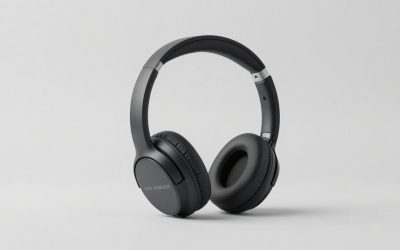
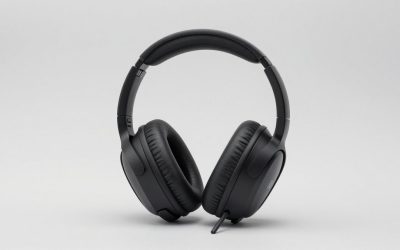
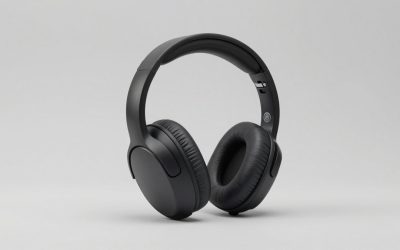
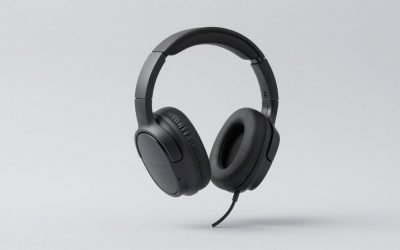
Look across eight popular open-back headphones and their typical uses, from gaming sessions to music listening and long podcast marathons, and one pattern is clear: the category punishes compromise. You either get a genuinely wide soundstage with accurate imaging, or you get a hollow shell that sounds distant and lifeless. Price is not the only differentiator here either—a set costing twice as much can feel cramped compared to a mid-tier pair with better driver tuning and ear-pad geometry.
The concrete problem most buyers face is this: closed-back headphones muffle directional cues and build heat over time, but open-back designs leak sound and demand a quieter environment. Finding the best open back headphones means matching your actual use case—competitive gaming, casual listening, or studio work—to a model whose strengths align with your needs. In 2026 the field is deeper than ever, so we narrowed it down to eight pairs that each solve a distinct problem well.
As an Amazon Associate we earn from qualifying purchases at no extra cost to you.




Our Top Picks


Top 3 picks at a glance
Quick Picks
| Product | Best for | Price |
|---|---|---|
| beyerdynamic DT 990 Pro | Studio accuracy on a budget | Check on Amazon |
| Philips Audio SHP9500 | Entry-level soundstage | Check on Amazon |
| Audio-Technica ATH-R50X | All-day comfort with detail | Mid-range |
| Philips Open Back Wired | Casual TV and podcast use | Check on Amazon |
| beyerdynamic DT 990 Pro X | Desktop setups without amps | Check on Amazon |
| Sennheiser HD 650 | Reference-grade music listening | Premium |
| Sennheiser HD 599SE | Balanced gaming and music | Check on Amazon |
| Sennheiser HD 599 | Neutral tonality, long sessions | Check on Amazon |
How We Compared
Every pair was compared, based on published specs and owner feedback, on four criteria that define the open-back experience: soundstage width and imaging precision, driver efficiency and whether the headphone demands external amplification, long-term comfort under a headband (weight distribution, clamp force, pad material), and tonal balance. A headphone that sounds exciting for ten minutes but fatigues your ears after an hour does not make the cut. We also considered build quality relative to price, since open-back frames with exposed grilles are more vulnerable to impact damage.
The 8 Best Open Back Headphones in 2026
beyerdynamic DT 990 Pro
For engineers and serious listeners who want a neutral-to-bright presentation with exceptional imaging, the DT 990 Pro remains a benchmark. The 250-ohm impedance demands amplification, but once powered properly, the soundstage is expansive and layered in ways that few rivals at this price manage. Pros include the replaceable velour pads that stay comfortable for hours and a build that feels like it will outlast your desk setup. The con is clear: without a capable amp, the DT 990 Pro sounds thin and underwhelming. Skip it if your source is a laptop headphone jack with no upgrade path.
Philips Audio SHP9500
The SHP9500 is the open-back option for people who want real soundstage separation without spending much. Its wide, airy presentation makes spatial cues in games easy to read, and the lightweight frame avoids the hot-spot pressure that heavier models create. Pros: a naturally neutral tuning that pairs well with any genre, and a detachable cable that reduces the risk of a single point of failure. Con: the plastic headband creaks under pressure and the overall build feels budget. Skip it if you need a headphone you can toss in a bag without worry.
Audio-Technica ATH-R50X
Audio-Technica designed the R50X around comfort engineering, and owner feedback on long sessions reflects that. The lightweight headband flexes rather than clamps, and the pads use a breathable material that keeps heat minimal even in warm rooms. Sound leans slightly warm with a smooth treble that rewards long listening without fatigue. Pros: outstanding comfort for its price tier, and a tonal balance that handles vocals and midrange-heavy content with authority. Con: the bass is subdued and will disappoint anyone expecting punch from open-back. Skip it if you listen primarily to bass-heavy electronic genres.
Philips Open Back Wired
This model targets the couch listener who plugs into a TV or stereo and wants a more spacious presentation than closed-back earcups provide. It is not an audiophile headphone, and it does not pretend to be. Pros: the adjustable headband accommodates a wide range of sizes comfortably, and the simple plug-and-play connection works without any amplification concerns. Con: imaging is loose and lacks the precision you need for competitive gaming. Skip it if directional audio matters to your workflow.
beyerdynamic DT 990 Pro X
The Pro X solves the biggest complaint about the original DT 990 Pro: power requirements. With 48-ohm impedance and a new STELLAR.45 driver, it sounds full and balanced straight from a desktop DAC or interface output. The tuning is smoother in the upper mids, which makes it more forgiving on poorly mixed game audio. Pros: no external amplifier needed, and a detachable mini-XLR cable that is easy to replace. Con: at a slightly higher price than the original, the soundstage is marginally less expansive. Skip it if you already own a dedicated amp and prefer the brighter signature of the 250-ohm version.
Sennheiser HD 650
The HD 650 is the headphone critics point to when they need to explain why open-back designs matter for music. Its midrange is rich and natural, bass has weight without bloat, and the treble never spikes. It has earned that reputation over decades for good reason. Pros: tonal accuracy that exposes flaws in mixes without becoming harsh, and a velour pad that molds to the head over time. Con: it is slow and low-efficiency, requiring a quality amp to reach its full dynamic potential. Skip it if you plan to use it for gaming where transient speed matters.
Sennheiser HD 599SE
The 599SE occupies a sweet spot between the comfort of the R50X and the tonal maturity of the HD 650. It delivers a balanced, slightly forward presentation that makes in-game footsteps easy to localize without requiring amplification. Pros: a wide headband that distributes weight evenly across hours of use, and a detachable cable for easy replacement. Con: the plastic build flexes noticeably and does not inspire confidence for frequent transport. Skip it if durability matters more than sound quality at this price.
Sennheiser HD 599
The standard HD 599 in Ivory shares the same acoustic DNA as the SE variant but arrives at a higher list price. Its sound is neutral with a touch of warmth that suits podcast listening and long-form content where vocal clarity is the priority. Pros: comfortable ear pads with generous internal volume that reduces pressure on the outer ear, and a tuning that avoids any frequency that causes fatigue. Con: it sounds less dynamic than the HD 650 and cannot compete for critical music listening. Skip it if you want reference-grade detail and are willing to stretch the budget.
More Open Back Headphones Worth Considering
The eight picks above lean heavily on dynamic-driver classics. That leaves out two things competitors regularly cover: planar magnetic headphones, which have become far more affordable, and newer professional models aimed at mixing and long sessions. These six fill those gaps, from a budget-friendly planar to two of the most respected reference headphones in the category.
HIFIMAN HE400se

The HE400se is the most common recommendation for anyone who wants to try planar magnetic sound without a large budget. Instead of a cone, a planar driver uses a thin diaphragm with a conductive trace suspended between magnets, so the whole surface moves evenly. The usual result is low distortion, fast transients and tight, extended bass, qualities that are hard to find in dynamic headphones at this price.
HIFIMAN uses its Stealth Magnet design, which shapes the magnets to reduce interference with sound waves passing through, and a very thin diaphragm. Impedance is about 25 ohms, but sensitivity is relatively low at around 91 dB, so while a laptop or phone can play it, a small DAC/amp gives it more headroom and dynamics. The build is mostly metal with a suspension-style headband, and the cable is detachable with 3.5 mm connectors at the earcups.
Strengths: clean, detailed sound with good bass extension for an open-back, a wide soundstage, and planar technology at an entry-level price. Drawbacks: at roughly 390 g it is noticeably heavier than the Philips SHP9500, the headband’s adjustment is less refined than more expensive models, and quality control on budget planars can vary, so buy where returns are easy.
Compared with the SHP9500, the HE400se has stronger bass and more detail but needs more power and weighs more. Compared with the DT 990 Pro, it is less bright in the treble, which many listeners find more comfortable over long sessions. Choose it if you want the best technical performance at a budget-friendly price and are willing to add a small amplifier.
HIFIMAN Edition XS
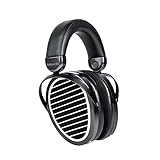
The Edition XS is HIFIMAN’s step up from the HE400se and one of the best-regarded mid-priced planars. It uses larger oval earcups and drivers, the same Stealth Magnet approach, and a redesigned adjustable headband that fixes one of the most common complaints about cheaper HIFIMAN models. The large, open cups give it one of the more spacious presentations in this guide, which suits games with large outdoor environments and orchestral or live recordings.
It is easier to drive than you might expect: impedance is about 18 ohms and sensitivity is around 92 dB, so a decent DAC dongle or desktop interface can run it, though like most planars it benefits from a clean source with some current headroom. Weight is about 405 g, but the large cups and wide headband spread the load.
Strengths: wide soundstage, precise imaging, an even, detailed tonal balance and easy-to-drive planar drivers. Drawbacks: it is physically large and heavy, the oversized cups may not suit smaller heads, and like all open-backs it leaks a lot of sound. It also sits well above the HE400se in price.
Compared with the Sennheiser HD 650 in the main list, the Edition XS sounds wider and more detailed in the treble, while the HD 650 is warmer and more forgiving. Choose the Edition XS if soundstage and imaging are your priorities for gaming and music, and you prefer a neutral-to-bright sound.
Sennheiser HD 660S2
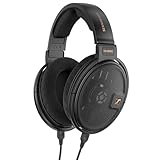
The HD 660S2 is Sennheiser’s modern evolution of the HD 600 series that produced the HD 650 above. It keeps the familiar lightweight frame and velour pads but uses a 38 mm dynamic driver with an ultra-light aluminum voice coil and a vented magnet system designed to reduce distortion. Sennheiser tuned it for extended sub-bass and a warm, natural presentation.
It is a 300-ohm headphone with sensitivity of 104 dB SPL at 1 Vrms, so a proper headphone amplifier is strongly recommended; a laptop jack will play it, but quietly and without the dynamics you are paying for. In the box are a 6.3 mm cable and a 4.4 mm balanced cable, plus a 3.5 mm adapter. Weight is a comfortable 260 g.
Strengths: more sub-bass and slightly more energy than the HD 650 while keeping Sennheiser’s smooth, fatigue-free midrange, a light and familiar fit, and a balanced cable in the box. Drawbacks: the high impedance makes an amplifier essentially required, the soundstage remains intimate rather than wide, and it is priced well above the HD 650.
Choose the HD 660S2 if you love the HD 600-series sound but want deeper bass and a more modern tuning. If you do not already own a good amplifier, budget for one, or choose the HD 650 instead.
Sennheiser HD 490 PRO

The HD 490 PRO is Sennheiser’s open-back headphone for music producers and mixing engineers, and it also suits long gaming or streaming sessions. Its most practical feature is two sets of switchable ear pads: one set tuned for producing, with a slightly warmer, more engaging response, and one set tuned for mixing, with a flatter response. Both are washable and replaceable.
Impedance is 130 ohms and sensitivity is 105 dB SPL at 1 Vrms, so it runs well from audio interfaces and desktop DACs, and many laptops can drive it to reasonable levels. The transducer uses neodymium magnets with a low-frequency system Sennheiser describes as improving bass, inside an open-frame structure designed to reduce resonance. Weight is about 260 g, and the cable can be connected on either side, which is useful for desk layouts.
Strengths: very light and comfortable, professional build with replaceable parts, two tuning options via pads, and accurate imaging that serves mixing and positional audio alike. Drawbacks: it sits at a premium professional price, its tuning prioritizes accuracy over excitement, and the Plus version with extra accessories costs more.
Compared with the beyerdynamic DT 990 Pro X, the HD 490 PRO is less bright and more refined, with more versatility thanks to its pad sets. Choose it if you produce music, stream, or want a long-session open-back with replaceable parts that will last for years.
AKG K712 PRO

The K712 PRO is often named among the widest-sounding open-backs in its class, which makes it a favorite for gamers who want a large, airy stage and for engineers checking stereo placement. It uses AKG’s flat-wire voice coil technology, large over-ear cups with 3D-foam pads and a self-adjusting headband that rests lightly on the head.
At about 62 ohms impedance it is reasonably easy to drive from a desktop interface or DAC, though it opens up with an amplifier. Weight is about 235 g, among the lightest full-size headphones here, and the cable is detachable via a mini-XLR connector, which makes replacements easy to find.
Strengths: very wide soundstage, precise imaging, light weight and a comfortable, low-clamp fit for long sessions. Drawbacks: bass is lighter than the HD 650 or HE400se, the treble can sound bright with poorly mastered content, and current pricing often places it close to more modern competitors.
Choose the K712 PRO if spatial width is your top priority for gaming or you want an open-back studio headphone for checking stereo imaging. Pair it with a warmer source or a little EQ if you find it lean.
AKG K240 Studio

The K240 Studio is a semi-open studio headphone that has been in production for decades, and it remains one of the cheapest ways to get an open-style presentation. Semi-open means the cups are partially vented: you get more natural spaciousness than a closed headphone, with somewhat less leakage than fully open designs.
It uses a 55-ohm driver that runs from phones, laptops, consoles and interfaces without an amplifier. The self-adjusting headband and lightweight build keep it comfortable, and the cable is detachable via a mini-XLR connector, which matters on a budget headphone because cables are the most common failure point.
Strengths: very low price, easy to drive, replaceable cable and a balanced, mid-focused sound that works for podcasts, voice work and casual listening. Drawbacks: the soundstage and detail are clearly behind the SHP9500 and HE400se, bass is restrained, and the build is mostly plastic.
Choose the K240 Studio if you want a dependable budget entry point, especially for voice content, home recording or a second pair for a desk. If you want more detail and stage for gaming, the Philips SHP9500 is a better step up.
Buying Guide
Impedance and Amplification
This is the single most consequential spec when comparing open-back headphones. High-impedance models like the DT 990 Pro at 250 ohms require an external amp or a powerful DAC output to reach usable volume with dynamic range intact. Lower-impedance options like the DT 990 Pro X at 48 ohms or the Philips SHP9500 can drive well from a laptop or console controller. If your setup has no amp, start with a headphone under 80 ohms to avoid a flat, anemic sound.
Soundstage and Imaging Precision
Open-back designs excel here, but the degree varies. Look for headphones where you can place individual instruments or directional game sounds in a clear spatial map rather than a vague wash. Comfort geometry matters: a wide ear pad that positions the driver closer to your ear canal tends to produce tighter imaging than a shallow, round pad. If you game competitively, prioritize imaging over sheer stage width.
Comfort for Extended Wear
Clamp force and pad material determine whether you can wear a pair for three hours without adjustment. Velour pads breathe better than pleather but collect more dust. A self-adjusting or carbon-flex headband distributes pressure across the top of your skull rather than concentrating it on a single point. Weight under 350 grams makes a noticeable difference over long sessions; above that, you will feel it.
Comparison of the Additional Picks
| Model | Driver type | Impedance | Approx. weight | Amp needed? | Best for | Price tier |
|---|---|---|---|---|---|---|
| HIFIMAN HE400se | Planar magnetic | About 25 ohms | About 390 g | Recommended (low sensitivity) | Entry planar sound | Budget |
| HIFIMAN Edition XS | Planar magnetic | About 18 ohms | About 405 g | Helpful, not essential | Soundstage and imaging | Mid-range |
| Sennheiser HD 660S2 | Dynamic, 38 mm | 300 ohms | About 260 g | Yes | Warm reference listening | Premium |
| Sennheiser HD 490 PRO | Dynamic | 130 ohms | About 260 g | Usually not with an interface | Mixing, streaming, long sessions | Premium |
| AKG K712 PRO | Dynamic, flat-wire coil | About 62 ohms | About 235 g | Helpful | Widest stage, gaming | Upper mid-range to premium |
| AKG K240 Studio | Dynamic, semi-open | About 55 ohms | Light | No | Budget, voice content | Budget |
More Buying Considerations
Dynamic or Planar Magnetic?
Dynamic drivers, used in the Sennheiser, beyerdynamic, AKG and Philips models, are light, efficient and well understood, with tuning that ranges from warm to bright. Planar magnetic drivers, used in the HIFIMAN models, typically offer lower distortion, faster transients and deeper bass extension for an open-back, but they are heavier and often less sensitive, meaning they need more power for the same volume. For gaming, both can image well; for bass in an open design, planars have an edge.
Sensitivity Matters as Much as Impedance
The buying guide above focuses on impedance, but sensitivity tells you how loud a headphone plays for a given signal. A low-impedance planar like the HE400se, with sensitivity around 91 dB, can still need more power than a 130-ohm dynamic like the HD 490 PRO at 105 dB SPL per volt. When comparing models, check both numbers, and if a headphone is both high-impedance and modest in sensitivity, plan on a dedicated amplifier.
Semi-Open Versus Fully Open
Semi-open headphones like the AKG K240 Studio vent the cups partially. They leak less and isolate slightly more than fully open models, with a smaller soundstage. They make sense if you share a room but still dislike the closed-in feeling of sealed headphones.
Replaceable Parts and Long-Term Ownership
Open-back headphones often last many years, so serviceability matters. Look for detachable cables (mini-XLR, 2.5 mm or 3.5 mm connectors), replaceable pads and widely available spare parts. Sennheiser, beyerdynamic and AKG have long histories of selling spare pads and cables for their professional models, which keeps a headphone in service far longer than one with a fixed cable.
Microphone Options for Gaming
Almost no audiophile open-backs include a mic. Your options are a USB desk microphone, a clip-on or attachable boom mic, or a dedicated gaming open-back with a built-in boom. Because open-backs leak sound, a directional mic close to your mouth, combined with a noise gate in your chat software, prevents your game audio from reaching your teammates.
Setup Tips for Open Back Headphones
- Match the source to the headphone. High-impedance models such as the DT 990 Pro (250 ohms) and HD 660S2 (300 ohms) need an amplifier. Planars like the HE400se benefit from a DAC/amp with current headroom.
- Set the gain low and raise volume gradually. On amplifiers with gain switches, start on low gain with sensitive headphones to avoid hiss and sudden loud spikes.
- Use stereo mode in games. Open-backs already provide a natural sense of space. Start with the game’s headphone or stereo mix before adding virtual surround, and keep processing only if it helps you locate sounds more consistently.
- Control the room. Open-backs let outside noise in. A quiet room, rugs and a fan placed behind you rather than beside you help keep detail audible.
- Rotate or wash pads. Velour pads collect skin oils and dust. Replaceable or washable pads, like those on the HD 490 PRO, keep comfort and sound consistent.
- Protect exposed grilles. Store open-backs on a stand or in a case. Dust and liquids can reach the drivers through the open grilles more easily than with closed headphones.
Which Open-Back Headphone for Which Listener?
First open-back on a small budget
Start with the Philips SHP9500 for the widest stage at the lowest price, or the AKG K240 Studio if you want something semi-open, durable and easy to drive. Both work straight from a laptop, phone or controller, so you do not need to buy anything else.
Competitive gaming in a quiet room
Prioritize imaging and low weight. The AKG K712 PRO and HIFIMAN Edition XS give a wide, precise stage, while the Sennheiser HD 599SE is a lighter, easier-to-drive option that needs no amplifier. Add a directional microphone with a noise gate so your game audio does not leak into voice chat.
Music lovers who want a warm, relaxed sound
The Sennheiser HD 650 remains the reference for a rich, natural midrange. If you want more sub-bass and a more modern tuning, and already own a proper amplifier, the HD 660S2 is the upgrade path.
Bass from an open design
Open-back dynamic headphones often roll off in the deep bass. Planar magnetic models like the HIFIMAN HE400se usually extend lower with less distortion, making them the better choice if you like electronic, hip-hop or cinematic scores but still want an open sound.
Home studio, mixing and streaming
The Sennheiser HD 490 PRO, with its two pad sets and replaceable parts, is designed for this work. The beyerdynamic DT 990 Pro X is the more affordable studio option and runs well from interfaces without an extra amp.
Long sessions and comfort first
Weight and clamp matter most. The AKG K712 PRO (about 235 g) and the Sennheiser HD 490 PRO and HD 660S2 (about 260 g each) are among the lightest full-size models covered here. The heavier planars spread their weight with large cups and wide headbands, but you will still notice them after several hours.
Building a Simple Desktop Audio Chain
Many open-backs sound noticeably better with a clean source, but you do not need an expensive system. Think in three tiers.
- No extra hardware: sensitive, low-impedance headphones such as the SHP9500, K240 Studio and HD 599SE can run directly from most laptops, phones with adapters and controllers.
- Compact USB DAC/amp: a small dongle or desktop DAC/amp in the budget tier is enough for most mid-impedance models, including the DT 990 Pro X, K712 PRO and HD 490 PRO, and it also removes motherboard noise.
- Dedicated headphone amplifier: high-impedance models such as the DT 990 Pro (250 ohms) and HD 660S2 (300 ohms), and demanding planars, benefit from a desktop amp with enough voltage or current. Look for one with a gain switch so you can match it to different headphones.
Whatever you choose, update firmware where available, set your operating system’s output to the DAC, and disable unnecessary sound enhancements so the headphone’s own tuning comes through.
Common Mistakes When Buying Open-Back Headphones
- Buying for a shared or noisy room. Open-backs leak sound both ways. If you game near a partner, roommate or a loud PC, you will hear the room and they will hear you. A closed-back or semi-open model is the better fit in those spaces.
- Ignoring the source. Plugging a 250-ohm or 300-ohm headphone into a laptop jack often makes it sound thin and quiet, which leads people to blame the headphone. Check impedance and sensitivity against what you own before buying.
- Chasing soundstage alone. A very wide stage is impressive, but for competitive games, precise imaging, meaning where each sound sits, matters more than how large the space feels. Read about imaging as well as width.
- Overlooking weight and fit. Planar models and large-cup designs can weigh 100 to 150 g more than lightweight dynamics. If you wear headphones for hours or wear glasses, weight and clamp force deserve as much attention as sound.
- Forgetting the microphone. Most open-backs have no mic. Budget for a desk mic or attachable boom from the start if you play online.
- Skipping replacement parts. A headphone with a fixed cable and glued pads can become unusable from one damaged part. Detachable cables and replaceable pads make a mid-priced open-back a long-term purchase.
Our Verdict
Top pick: the beyerdynamic DT 990 Pro is the best overall choice for most buyers who can add an amplifier, with an expansive, precise soundstage, comfortable replaceable velour pads, and a build made to last. Upgrade pick: the Sennheiser HD 650 remains the most complete open-back experience for music and critical listening, again paired with a dedicated amplifier. Budget pick: the Philips SHP9500 delivers an honest, spacious sound at a budget price with no hidden requirements. Alternative winner: if you cannot invest in an external amp and still want studio-grade imaging, the beyerdynamic DT 990 Pro X removes that barrier while keeping the core tuning character intact.
FAQ
Do open-back headphones require an amplifier?
Not always. High-impedance models benefit greatly from one, but low-impedance open-backs like the DT 990 Pro X and the Philips SHP9500 reach satisfying volume from a standard DAC or even a quality laptop output. The answer depends on the specific impedance and sensitivity of the model you choose.
Can I use open-back headphones for gaming?
Yes, and many players prefer them for the superior directional cues. The tradeoff is sound leakage, so they are not ideal in shared spaces or if you use a sensitive microphone without a noise gate. For quiet environments, they often outperform closed-back gaming headsets for positional audio accuracy.
How much do open-back headphones leak sound?
Expect noticeable leakage at moderate to high volume. People sitting beside you will hear a faint wash of treble and mids, though bass frequencies are largely retained. At low volume the leak is minimal, but you sacrifice the soundstage advantage that makes the design worthwhile.
Are open-back headphones good for podcast listening?
Very much so. The spacious, natural presentation makes voices feel less processed and fatiguing over long episodes. Comfort-focused models like the Audio-Technica ATH-R50X and the Philips Open Back Wired are particularly well suited, since their smooth midrange presentation keeps vocal content clear without sibilance.
Part of our headphones buying guide hub.
Are planar magnetic headphones better than dynamic ones?
Not automatically. Planars like the HIFIMAN HE400se and Edition XS usually offer lower distortion and deeper bass for an open design, but they are heavier and often need more power. Well-tuned dynamic headphones such as the Sennheiser HD 650 or HD 490 PRO remain among the most popular reference headphones. Choose based on tuning, comfort and your source equipment rather than driver type alone.
Which open-back headphones have the widest soundstage?
Among the models covered here, the AKG K712 PRO and HIFIMAN Edition XS are known for particularly wide, airy presentations, followed by the Philips SHP9500 at a budget level. Sennheiser’s HD 600-series models are more intimate, trading width for a natural, focused midrange.
Can I use open-back headphones with a PS5 or Xbox?
Yes, through the controller’s 3.5 mm jack, which works best with low-impedance, sensitive models such as the SHP9500 or K240 Studio. High-impedance headphones will play quietly from a controller. For those, use a USB DAC/amp on PS5 or a console-compatible amp setup.
How long do open-back headphones last?
With replaceable pads and a detachable cable, a well-built open-back can last many years. Professional models from Sennheiser, beyerdynamic and AKG are often kept in service for a decade or more by replacing pads and cables as they wear.