When you start protecting a pricey PC setup, you meet two similar-looking devices: the familiar surge protector and the pricier power conditioner. They both sit between the wall and your gear, and both promise cleaner power, but they do different jobs and cost very different amounts. Knowing which one your setup actually needs saves money and prevents a false sense of security. This guide explains the difference and who should buy which.
As an Amazon Associate we earn from qualifying purchases at no extra cost to you.
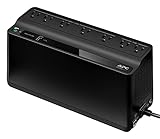


Top 3 picks at a glance
What a surge protector does
A surge protector has one core job: divert sudden voltage spikes away from your devices. When lightning, grid switching, or a large appliance causes a spike, the protector clamps the excess and shunts it to ground. It does nothing for everyday minor fluctuations, electrical noise, or brownouts. It is inexpensive, usually $15 to $50, and every gaming setup should have at least this level of protection.
Its limits
A surge protector is reactive and finite. It handles big spikes but ignores the small, constant variations in voltage and the electrical noise that other devices on your circuit inject. Its absorbing capacity also wears down over time, so it eventually needs replacing.
What a power conditioner adds
A power conditioner includes surge protection but goes further by filtering electrical noise and smoothing minor voltage variations to deliver a cleaner, more stable output. It targets the hum and interference that can affect sensitive audio gear and, in theory, gives components steadier power. Conditioners cost more, often $80 to $300 or higher, and are most valued in audio recording and home studio setups where noise is audible.
| Feature | Surge protector | Power conditioner |
|---|---|---|
| Blocks voltage spikes | Yes | Yes |
| Filters electrical noise | No | Yes |
| Smooths minor fluctuations | No | Partial |
| Battery backup | No | No |
| Typical price | $15-50 | $80-300+ |
Which one does your setup need?
For a pure gaming PC, monitors, and peripherals, a good surge protector is enough; the components tolerate normal power just fine. A power conditioner is worth it mainly if you run audio interfaces, studio monitors, or a streaming mic setup where electrical noise sneaks into recordings, or if your home has notably dirty power. If you are worried about power loss rather than quality, neither device helps; you want an uninterruptible power supply instead.
Can you combine them?
Yes. Many serious setups run a conditioner for the audio chain and a plain surge protector for the rest, or use a UPS that already includes surge protection and some conditioning. Do not daisy-chain protectors, though, as that can defeat the protection.
Frequently asked questions
Will a power conditioner improve gaming performance?
No. Cleaner power does not raise frame rates or reduce input lag on a modern PC, which already regulates the voltage its components receive. The benefit is real only for noise-sensitive audio gear. For gaming alone, the money is better spent on a solid surge protector or a UPS.
Do I still need a surge protector if I have a UPS?
Most uninterruptible power supplies include surge protection built in, so a separate surge protector is redundant on that outlet. Plug your PC and monitor into the UPS’s battery-backed, surge-protected outlets. Just avoid chaining a surge strip into the UPS, which can cause problems.
Bottom line
A surge protector handles the spikes that threaten your hardware and is essential for every setup at a low price. A power conditioner adds noise filtering that mainly benefits audio and studio gear, not gaming. Buy a quality surge protector first, add a conditioner only if you have a noise-sensitive audio chain, and reach for a UPS if your real concern is power loss.