Hearing aid batteries are the rare tech purchase where the wrong box is a complete waste: a size 13 cell will not fit a device built for size 312, no matter how good the brand is. The decision therefore starts with the number printed in your battery door or on the old cell, and only then moves to pack size, tab design and how quickly you go through batteries. Wearers who run their devices all day can burn through a cell in under a week, so quantity and freshness matter as much as the logo.
This guide is for hearing aid users, caregivers who stock supplies for a parent, and anyone who keeps a spare pack in a travel bag. It compares eight packs from the major names, seven in size 312 and one in size 13, using what each listing states: count, tab style, chemistry and storage claims. Nothing here replaces advice from your audiologist, but it will help you buy the right size in a sensible quantity.
Our Top Picks
Top 3 picks at a glance
Quick Picks
As an Amazon Associate we earn from qualifying purchases at no extra cost to you.


| Product | Best for | Key spec from the title |
|---|---|---|
| Duracell Size 312, 60 Count | Stocking up on a trusted brand | 60 count, size 312 |
| Duracell Size 312, 32 Count | Mid-size supply | 32 count, extra-long EasyTab |
| Powermax Size 312, 60 Count | Large pack, easy changes | 60 count, brown long tab |
| Hear Clear Size 312 PR41 | Easy tab removal | 1.45V zinc air, scissor-free tab, 60 pack |
| Duracell Size 312, 16 Count | Trying a brand or a spare pocket pack | 16 count, EasyTab install |
| Rayovac Size 312 Extra Advanced | Largest quantity | 80 batteries, mercury free |
| Power One p312 | Zinc-air alternative | Zinc p312, 60 pcs |
| Duracell Size 13 Orange | Devices that take size 13 | 16 count, 4-year storage |
How to Choose
Match the size code and the color
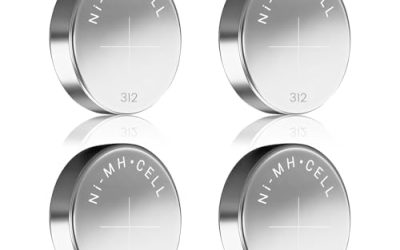
Hearing aid batteries follow a standard color code. Size 312 is brown, and the listings here also call it PR41 or p312. Size 13 is orange, which is the Duracell pack at the end of the list. Other common sizes include 10 (yellow) and 675 (blue), but neither appears in this group. Open the battery door or read the device manual to confirm the size before you buy. The tab color is the quickest check: if your current tabs are brown, buy brown.
Pack size and shelf life
Counts in this group run from 16 to 80. Zinc-air cells start discharging when the tab is removed, and unused cells slowly lose capacity in storage, so a large pack only saves you effort if you will use it within a reasonable time. As a rule of thumb, a user going through one cell per week uses roughly 50 a year. Only the Duracell size 13 listing states a storage claim, four years, which gives a useful reference point for shelf life. Store spare cells at room temperature in the original packaging, away from coins and keys. A practical approach is to keep one small pack in your bag or car and the larger pack at home, then refill the small pack from the large one when it runs low, so the oldest cells are always the first to be used. Avoid the fridge; condensation can do more harm than good.
Tab design and handling
Several titles spotlight the tab: Duracell mentions an extra-long EasyTab, Powermax a long tab for easy changes, and Hear Clear a scissor-free tab. A longer tab helps users with limited dexterity or low vision, since it is easier to grip and peel. Remember that peeling the tab starts the chemical reaction, so the standard advice is to let the cell sit for a few minutes before placing it in the aid, which lets the zinc-air cell reach full output.
What to ignore, and where cheaper packs cut corners
Ignore the marketing line about “long-lasting power” on any pack, since run time depends mostly on the hearing aid’s power draw and streaming use rather than the brand on the cell. Ignore very small voltage differences too; the 1.45V on the Hear Clear listing is typical for zinc-air. Where budget packs can cut corners is consistency: a loose-pack, no-name option may deliver uneven life from cell to cell, so keep a known brand as a backup if your hearing is critical. Also remember that a hearing aid’s own low-battery chime is the real signal to change a cell; counting days is a rough guide at best, because streaming, noise reduction and volume all change the draw. Keep a spare on hand before the first warning tone, not after.
The 8 Best Options
Duracell Size 312, 60 Count
This is the stock-up option from the most recognized name in the group. The title lists size 312, a 60 count pack and a single-pack configuration. A household with one or two users of size 312 aids will find it a convenient annual supply.
- Strength: a large count lowers the frequency of reordering.
- Strength: a familiar brand makes it easy to find the same cell again.
- Trade-off: the title does not mention an easy-install tab, unlike other Duracell listings.
Skip it if you only need a short-term supply, since an unused stash will age in storage and tie up money you could spend on a smaller pack. It is also the wrong pick for anyone still unsure of the battery size, because a wrong guess on 60 cells is a bigger mistake than on 16.
Duracell Size 312, 32 Count
A middle-ground quantity for people who do not want 60 at once. The title lists brown size 312, 312A designation, long-lasting power and an extra-long EasyTab install for hearing aids.
- Strength: the extra-long tab makes handling easier for stiff fingers.
- Strength: 32 cells covers many months for a single wearer without a huge stockpile.
- Trade-off: the per-cell outlay is typically higher than in a 60-count pack.
Skip it if you run two hearing aids on heavy streaming and will finish a 32 pack quickly, or if you prefer the lowest cost per cell.
Powermax Size 312, 60 Count
Powermax pitches a large brown size 312 pack with a long tab for easy changes. It is a straightforward value pack for wearers who rotate through batteries quickly.
- Strength: 60 count with a long tab suits regular battery changes.
- Strength: it competes on quantity without extra packaging claims.
- Trade-off: the title offers little detail on chemistry or storage life.
Skip it if you prefer to stay with one of the major battery brands for performance consistency or if you buy only a few cells at a time. Caregivers shopping for a parent should also confirm that the tab is truly easy for that person to peel before committing to a large count.
Hear Clear Size 312 PR41
Hear Clear spells out the chemistry: a PR41, 1.45V zinc-air cell with a brown tab and a “scissor-free” design. It is sold as a 60 pack and is aimed at users who want a clear label and easy handling.
- Strength: the zinc-air, PR41 labeling confirms compatibility with size 312 devices.
- Strength: scissor-free tab design is helpful for anyone who struggles with packaging.
- Trade-off: the listing offers no storage-life statement.
Skip it if you want a legacy brand name on every cell or only need a handful of batteries.
Duracell Size 312, 16 Count
The small Duracell pack is a good way to try the brand or keep a spare in a purse or glove box. The title lists brown size 312, 16 count, long-lasting power and an extra-long EasyTab install.
- Strength: a small count is less wasteful if you only need occasional replacements.
- Strength: the extra-long EasyTab makes it simple to peel.
- Trade-off: you reorder more often, and the cost per cell usually rises as the pack shrinks.
Skip it if you run a device all day, every day, since the supply would last only a few weeks.
Rayovac Size 312 Extra Advanced
Rayovac offers the biggest quantity: 80 batteries, labeled mercury free and Extra Advanced, in size 312. It suits a household with several wearers or anyone who prefers to buy once for the year.
- Strength: 80 cells is the highest count in this group.
- Strength: the mercury-free label is clearly stated.
- Trade-off: unused cells age, so a large pack only pays off if you use it steadily.
Skip it if you buy for just one occasional user, or if you want a long-tab design called out in the listing. With this many cells, plan to split the box into smaller labeled bags so the household always opens the oldest ones first.
Power One p312
Power One is a zinc-air p312 battery sold in a 60-piece pack. The listing is brief, which keeps the decision easy: it is a zinc size 312 cell in a bulk quantity of 60 pieces, with the p312 code that matches the common PR41 designation.
- Strength: 60 pieces in the correct size 312 format.
- Strength: the zinc chemistry is named in the title, so compatibility with zinc-air hearing aid doors is clear.
- Trade-off: the title gives no information on tab style or storage life.
Skip it if you need an easy-pull tab emphasized, or if you do not know your size yet.
Duracell Size 13 Orange
This is the only size 13 pack here, so it applies to a different set of hearing aids. The title lists orange size 13, 16 count and a 4-year storage claim.
- Strength: the stated four-year storage window helps with slow-moving spares.
- Strength: a small pack suits wearers whose devices use size 13 cells occasionally.
- Trade-off: it will not fit size 312 devices, and cross-ordering is the most common error.
Skip it unless your battery door or manual specifically calls for size 13, orange.
Which One Fits Your Situation
You wear one aid daily and want less reordering
Go for the Duracell Size 312, 60 Count. It gives you a familiar brand and a supply that spans most of a year.
You have limited dexterity or low vision
The Duracell Size 312, 32 Count with its extra-long EasyTab is the practical choice, as the longer tab is easier to find and peel. The Hear Clear pack is the alternative for its scissor-free tab.
Your family has several hearing aid users
The Rayovac Size 312 Extra Advanced with 80 batteries makes sense, since a shared stash is used up before shelf life becomes a problem.
Your device takes size 13
Only the Duracell Size 13 Orange fits. Confirm the size on your battery door first, then treat the four-year storage claim as a bonus for spares kept in a drawer.
Common Mistakes
- Buying by brand name without checking the size number or tab color on the old battery.
- Stockpiling a huge pack for a single occasional user, then letting cells age unused.
- Peeling the tab too early, such as in a pocket, which starts the discharge before the cell is in the device.
- Storing spare cells loose with coins or keys, which can short them out.
- Assuming mercury-free or long-lasting labels change how long a cell runs in your device.
Related guides
- What Is The Best Budget Most Responsive Gaming Mouse Wired
- Low Latency Gaming Headphones Usb-C 2.4 Ghz Wireless
- Low Latency Gaming Headphones Usb-C Dongle 2.4 Ghz
Frequently Asked Questions
How do I know if I need size 312 or size 13?
Check the battery door, the manual or the old cell. Brown is size 312 and orange is size 13. If you cannot tell, an audiologist or the device maker can confirm in seconds.
Why should I wait after peeling the tab?
Zinc-air cells use oxygen from the air, and they need a few minutes after the tab comes off to reach full output. Waiting about five minutes before inserting is the common advice.
Do all size 312 batteries last the same?
Not exactly. Run time depends on your device, your streaming habits and the cell, so differences between brands are modest. Pack size and tab design usually matter more for daily use.
How should I store spare hearing aid batteries?
Keep them in their original packaging at room temperature, away from metal objects, and keep them out of reach of children and pets. Buying fresh packs in 2026 and rotating older ones to the front helps avoid waste.