If you’ve been staring at a dim, glare-prone desk setup and wondering whether a monitor light bar is the fix, this guide breaks down what these lights actually do, what they cost, and who genuinely benefits from one.
Our Top Picks

The Short Answer
Yes — a monitor light bar is worth it for eye strain if your problem is insufficient or poorly placed ambient lighting. That’s the one condition. Monitor light bars reduce the harsh contrast between a bright screen and a dark room, which is a real contributor to eye fatigue during long work or gaming sessions. If your eye strain comes from something else — an uncorrected vision prescription, dry eye, or a screen positioned too close — a light bar won’t solve it, and you should see an optometrist instead.
As an Amazon Associate we earn from qualifying purchases at no extra cost to you.

What You Actually Get
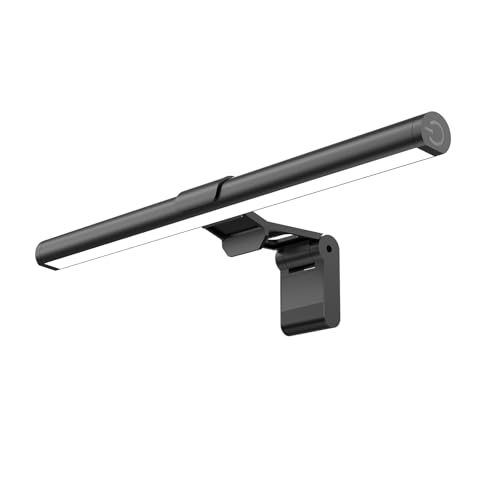
A monitor light bar is a slim LED fixture, typically 11 to 18 inches long and weighing under two pounds, that clamps or rests on top of your monitor. It shines light downward and forward onto your desk and keyboard area rather than at your screen, which is why it doesn’t create glare or reflections. Most models draw between 3 and 6 watts over USB power, so they add almost nothing to your electric bill.
The core features to look for are adjustable color temperature (usually 2700K warm to 6500K cool white), stepless dimming, and a curved or asymmetric lens that spreads light evenly across a desk. The Quntis Computer Monitor Lamp, for example, offers auto-dimming, touch controls, and a glare-free design in a space-saving form for around $39, while the budget-oriented Samphon Monitor Light Bar gives you an 11.8-inch bar with three color temperatures and dimmable output for around $13.
The mechanism behind the eye strain relief is straightforward: when your screen is the only bright object in your field of view, your pupils constantly adjust between the bright display and dark surroundings. That repeated adjustment causes fatigue. A light bar brightens your peripheral environment so the contrast gap narrows, and your eyes stop working overtime.
Pros
- Reduces screen-to-room contrast, one of the most common and fixable causes of digital eye strain during evening work sessions.
- Frees up desk space compared to a traditional desk lamp — the bar mounts on the monitor itself, reclaiming the footprint a lamp base would occupy.
- No screen glare when properly positioned, because light is directed at the desk surface, not the display.
- Adjustable color temperature lets you shift to warmer light (2700K–3500K) in the evening, which is easier on the eyes than cool daylight tones.
- Low power draw — typically 3 to 6 watts over USB, often powered by your monitor’s or laptop’s USB port.
- Simple installation — most models clamp on in seconds with a counterweight and require no tools.
- Affordable entry point — functional options start under $20, with well-equipped models in the $30 to $50 range.
Cons
- It only addresses one cause of eye strain. If your issue is screen distance, refresh rate, uncorrected vision, or blinking less, a light bar won’t help.
- Fit limitations — many clamps don’t work well on ultrawide monitors, monitor arms, or very thin bezels without checking dimensions first.
- Some budget models have a front glare issue — cheaper bars can throw a visible reflection or light strip toward your face if the lens design isn’t asymmetric.
- USB cable clutter — you’ll need a nearby USB port or an adapter, and the cable is usually only 4 to 5 feet long.
- No effect on screen brightness itself — you still need to tune your display’s brightness and enable night mode separately.
- Touch controls can be finicky on some models, registering accidental taps or requiring precise presses.
Who Should Buy It
Buy a monitor light bar if you work or game in the evening in a room lit only by overhead lighting or your screen. It’s especially worthwhile if you’ve noticed your eyes feel tired or gritty after a couple of hours at the desk but you already wear the right glasses prescription. Remote workers with small desks who don’t want a lamp eating their workspace are another strong fit. Gamers who prefer a dark room but hate the contrast headache will also benefit, since a light bar adds just enough ambient light without washing out the screen.
Who Should Skip It
Skip it if your workspace is already well lit with a good desk lamp positioned to avoid glare — you’d be paying for redundancy. Skip it if your eye strain persists even in a bright room, which points to a vision or dry eye problem that needs professional attention rather than lighting changes. And skip it if you have an ultrawide monitor wider than 35 inches and can’t find a bar long enough to cover it, or if your monitor sits on an arm with an unusual mount where the clamp won’t secure.
Cheaper Alternatives
| Option | Cost | Trade-off |
|---|---|---|
| Existing desk lamp repositioned behind the monitor | $0 | Costs nothing, but takes desk space and may cast glare if the bulb faces the screen |
| Bias lighting LED strip on the back of the monitor | $10–$25 | Reduces contrast behind the screen but doesn’t light your keyboard or desk surface |
| Budget light bar like the Samphon (11.8 inches, 3 color temps) | Check on Amazon | Covers the essentials but lacks auto-dimming and has a smaller lighting footprint than premium bars |
| Warm-toned smart bulb in a floor lamp | $15–$30 | Lights the whole room evenly but offers less targeted task lighting for the desk area |
FAQ
Do monitor light bars actually reduce eye strain?
They reduce one of the main triggers: contrast between a bright screen and a dark room. By illuminating your desk and surrounding area, they lessen the constant pupil adjustment your eyes make. They’re a legitimate improvement for evening and nighttime work, though they won’t fix vision-related or dry eye issues.
How much should I spend on a monitor light bar?
Most buyers are well served in the $15 to $50 range. A around $13 option like the Samphon covers color temperature and dimming basics, while spending around $39 on the Quntis adds auto-dimming and touch controls. Above $50, you’re mostly paying for build quality and longer bars for ultrawide monitors.
Can a light bar damage or scratch my monitor?
Not if you choose one with a weighted, padded clamp and rest it gently on the top bezel. Most bars weigh under two pounds, which standard monitors handle fine. Avoid models with hard metal contact points, and make sure the counterweight clears your monitor’s stand or cable routing.
What brightness and color temperature should I use?
Match the bar’s brightness roughly to your screen brightness so the room and display feel balanced. Use cooler 5000K to 6500K light during daytime work for alertness, and shift to warmer 2700K to 3500K in the evening to reduce eye fatigue before bed. If your bar has auto-dimming, let it adjust to ambient light automatically — a feature worth having heading into 2026’s long winter evenings.