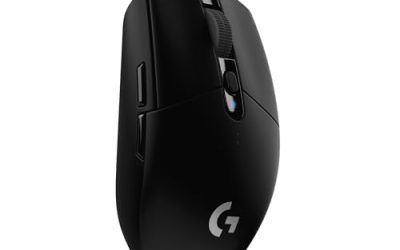
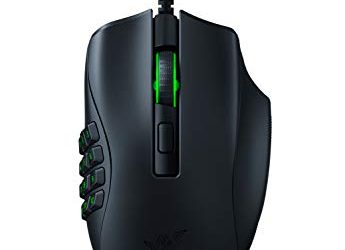
Gaming with arthritis changes what a good mouse means. Speed still matters, but the first question becomes: can you hold this shape, click it hundreds of times, and move it for an hour without your fingers, thumb, or wrist paying for it afterwards? A mouse that forces a twisted forearm, a tight pinch grip, or a hard press on every click can turn a relaxed session into a short one, even if its sensor is excellent.
That is why the best gaming mouse for arthritis is the mouse that reduces the specific movements that bother you most. For some players that means a vertical shell that keeps the hand in a handshake position and takes rotation out of the forearm. For others it means staying with a familiar flat shape, but choosing one so light that moving it takes almost no effort. A mouse is not a treatment, but a well-chosen one can remove unnecessary strain from an activity you enjoy.
This guide groups the strongest options around those needs: true vertical gaming mice with modern sensors, proven vertical ergonomic mice with gentler clicks, and one very light flat ergonomic mouse for players who cannot adapt to vertical shapes. Read How to Choose first if you are unsure, because shape matters far more here than a few thousand DPI.
As an Amazon Associate we earn from qualifying purchases.
Our Top Picks
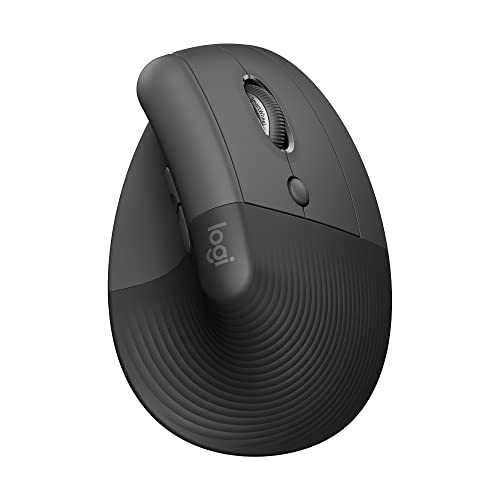
 Logitech MX Vertical Wireless Mouse Ergonomic Design1 Pack4.7 x 3.11 x 3.09 inches0.5 poundsCheck on Amazon
Top 3 picks at a glance

Quick Picks
Start here, then read the notes below to check hand size and click feel.
| Product | ASIN | Best For |
|---|---|---|
| Razer Pro Click V2 Vertical Edition | B0DVD5RTZ5 | True vertical gaming performance |
| Keychron M5 Wireless Ergonomic Mouse | B0F3X9G276 | Vertical gaming with a thumb wheel |
| Logitech MX Vertical | B07FNJB8TT | Medium to large hands, relaxed pace |
| Logitech Lift Vertical Ergonomic Mouse | B09J1TB35S | Small to medium hands, quiet clicks |
| Razer DeathAdder V3 HyperSpeed | B0D4RF55QK | Lightweight flat ergonomic alternative |
How to Choose
Choosing for arthritic hands means ranking comfort by how features affect your joints, not marketing order. Match a mouse to the movements that trigger your discomfort.
Vertical angle and forearm rotation
A standard mouse holds your hand palm-down, keeping the forearm rotated for the whole session. A vertical mouse turns the hand toward a handshake position, reducing that twist. A moderate tilt around 47 to 57 degrees is a clear change from flat without making the mouse hard to control, while an angle above 70 degrees brings the hand closer to fully upright. Steeper is not automatically better: a very upright mouse can feel unstable in fast movements, and clicking becomes a sideways squeeze. Start moderate if wrist and forearm ache is your main complaint, and go steeper only if a moderate tilt is not enough.
Weight and the effort of moving
Every gram is something your hand must start, stop, and redirect thousands of times. Heavier mice feel planted but ask more of sore fingers during repeated swipes, so weight deserves more attention here than in a typical gaming guide. Vertical mice are usually heavier than flat mice because of their taller shells, so you are balancing rotation against weight. Wide, repeated camera sweeps punish weight; slower, menu-heavy play makes a heavier vertical shell easier to live with.
Click force and switch type
Clicking is the most repetitive action in gaming, and for arthritic fingers it can be the most painful. Look for switches described as light, quiet, or optical, and be cautious with stiff, tactile switches that reward a firm press. Optical switches register with light rather than a metal contact, while quiet-click vertical mice soften both force and sound. Placement matters too: clicks you must stretch to reach, or side buttons that need a hard thumb pinch, undo the benefit of a kind shape.
Shape, hand size, and thumb support
A mouse that is too large forces fingers to spread and reach; one that is too small forces a claw-like curl that loads the joints. Compare your hand size with the intended fit in each listing — small to medium and medium to large are meaningfully different in the vertical market, and picking wrong is the most common reason for returns. Also look for a proper thumb rest, which lets the thumb sit instead of hovering or pinching the shell, cutting the low-level grip effort that builds over a session.
Sensor, DPI, and polling in perspective
You do not need the highest DPI to play well, and a higher usable sensitivity can help because the cursor travels further for less hand movement. Polling rate affects how often the mouse reports position: standard rates suit most genres, while higher rates on the gaming vertical models keep fast movements responsive. Once tracking is accurate, shape and click force will decide comfort far more than extra DPI headroom.
Connectivity and battery habits
Cables drag, and drag is extra force on every move, so wireless is usually kinder. A 2.4 GHz connection is safest for gaming responsiveness, Bluetooth is convenient for switching machines, and a wired fallback helps when a battery runs low. Battery style matters too: rechargeable power avoids opening a compartment and handling a loose cell, while a long-life replaceable battery means you deal with it very rarely. Favour whichever asks stiff hands to fiddle least.
Buttons and software without extra strain
Extra buttons help when they move frequent actions off strained fingers — a heal, inventory, or push-to-talk command under the thumb, for example. They hurt when small, stiff, or crowded, so prefer a modest number of large, easy-to-reach buttons over a dense grid. Software should let you raise sensitivity, remap buttons, and then be forgotten.
5 Best Options
Each pick below solves the arthritis problem in a different way, so match the Best for note to your own pattern of discomfort.
Razer Pro Click V2 Vertical Edition

Specs
- Sensor: Razer Focus Pro optical sensor, up to 30,000 DPI
- Vertical angle: 71.7 degrees, upright handshake shape
- Connectivity: Razer HyperSpeed 2.4 GHz wireless, Bluetooth, and USB-C wired
- Buttons: 6 buttons, ergonomic design with Chroma RGB
- Tracking: Up to 550 IPS and 40 G acceleration, as listed
- Compatibility: Supports Windows and Mac, multi-device connectivity
- ASIN: B0DVD5RTZ5
Best for: Players whose main problem is forearm and wrist rotation, who still play fast enough to need a genuine gaming sensor. This is the steepest vertical shape in the guide, paired with the strongest gaming specification here, so you do not trade performance away for the posture change.
Watch out for: The steep angle is the biggest adaptation challenge here. Clicking becomes a sideways action, aiming usually dips while you relearn the grip, and a very upright shell can feel prone to tipping during hard swipes. It is also right-handed only. Give it days to adjust, not a single match.
Keychron M5 Wireless Ergonomic Mouse
Specs
- Sensor: PixArt 3950 optical sensor, up to 30,000 DPI
- Vertical angle: 47 degrees, with thumb rest
- Polling rate: Up to 8,000 Hz in 2.4 GHz and wired modes
- Connectivity: 2.4 GHz, Bluetooth, and USB wired
- Weight: 95 g
- Switches: Huano micro switches, with a thumb wheel and customisable buttons
- Battery: 600 mAh, up to 140 hours in Bluetooth mode as listed for the 8K version
- ASIN: B0F3X9G276
Best for: Players who want a gentler vertical angle without giving up gaming responsiveness. The 47-degree tilt is a good middle ground — clearly different from flat, but closer to what your hand expects, so the learning curve is shorter. The thumb wheel suits strategy and role-playing games, letting the thumb handle scrolling that would otherwise fall to a sore index finger.
Watch out for: At 95 g it is light for a vertical mouse but heavier than a flat esports mouse, so weight-sensitive players may notice it on wide swipes. The M5 is sold in different sensor and switch versions, including a quieter 1K variant, so check the exact version on the listing before ordering.
Logitech MX Vertical
Specs
- Sensor: Optical sensor, up to 4,000 DPI with cursor speed switch
- Vertical angle: 57 degrees, natural handshake position
- Fit: Designed for medium to large right hands
- Connectivity: Bluetooth or included USB receiver, with USB-C charging cable listed
- Buttons: 4 buttons
- Battery: Rechargeable, up to 4 months on a full charge as listed
- Weight: 135 g
- ASIN: B07FNJB8TT
Best for: Players with medium to large hands who play at a relaxed pace and want the most established vertical shape here. The thumb sits on a proper rest, and rechargeable power is a practical kindness: plugging in a cable is easier on stiff hands than prising open a battery door.
Watch out for: The sensor is office-grade by gaming standards, with no high polling rate, so it suits slower games rather than competitive shooters. It is also the heaviest pick here and too large for smaller hands, which would have to stretch for the buttons.
Logitech Lift Vertical Ergonomic Mouse
Specs
- Sensor: Optical tracking, 400 to 4,000 DPI adjustable
- Vertical angle: 57 degrees, natural handshake position
- Fit: Designed for small to medium right hands, left-handed version also listed in the range
- Weight: 125 g, dimensions 108 x 70 x 71 mm as listed
- Connectivity: Bluetooth Low Energy or Logi Bolt USB receiver, 10 m range
- Buttons: Quiet clicks, with customisable buttons and SmartWheel scrolling
- Battery: 1 AA battery, up to 24 months as listed
- ASIN: B09J1TB35S
Best for: Players with small to medium hands, and anyone for whom click effort matters most. The quiet clicks soften the most repetitive action in gaming, the shell is sized so smaller hands are not stretching, and the long battery life means you almost never have to open or change anything. For slower and mid-paced games, this is often the easiest vertical mouse to live with.
Watch out for: Like the MX Vertical, the sensor targets comfort rather than competitive gaming, so fast shooter players will feel its limits. Large hands will find it cramped — exactly what arthritic fingers should avoid — and the AA battery means an eventual battery change rather than a simple plug-in.
Razer DeathAdder V3 HyperSpeed

Specs
- Sensor: Razer Focus X 26K optical sensor, up to 26,000 DPI
- Weight: 55 g ultra-lightweight ergonomic design
- Switches: Razer Optical Switches Gen-3
- Connectivity: Razer HyperSpeed wireless, with USB-C charging
- Controls: 8 programmable controls as listed
- Battery: Up to 100 hours as listed
- Shape: Right-handed ergonomic shape with smooth-touch texture
- ASIN: B0D4RF55QK
Best for: Players who cannot adapt to a vertical grip, or whose pain comes more from the effort of moving and clicking than from forearm rotation. At 55 g it asks remarkably little of the hand, the optical switches register without a heavy press, and the familiar shape means no relearning period. For fast games, it is the most naturally capable pick here.
Watch out for: It keeps the palm-down posture, so it does nothing for forearm rotation, and wrist-centred symptoms may still need a vertical shape. It also offers less thumb support than the vertical models and is right-handed only. Think of it as the low-effort option, not the posture-correcting one.
Which One Fits You
- Wrist and forearm rotation hurts most, and you play fast games: choose the Razer Pro Click V2 Vertical Edition for the steepest handshake angle with a true gaming sensor.
- You want a vertical shape that is easier to learn: choose the Keychron M5, whose moderate 47-degree angle and thumb wheel suit mixed and strategy-heavy play.
- You have medium to large hands and play at a relaxed pace: choose the Logitech MX Vertical for its established 57-degree shape and rechargeable battery.
- You have small to medium hands or sensitive, easily tired fingers: choose the Logitech Lift for its smaller shell, quiet clicks, and very long battery life.
- Vertical mice feel unstable or unnatural to you: choose the Razer DeathAdder V3 HyperSpeed and reduce effort through very low weight and light optical clicks instead.
- You play mostly slow, menu-driven, or turn-based games: either Logitech vertical pick will serve you well, and hand size should decide between them.
Common Mistakes
- Buying by DPI alone: a huge maximum DPI does nothing for sore joints; shape, weight, click force, and a sensitivity setting that reduces hand travel matter far more.
- Choosing the wrong hand size: a vertical mouse that is too big forces a stretch and a pinch grip, so measure your hand and respect the small-to-medium and medium-to-large split.
- Judging a vertical mouse in one session: aim and clicking feel strange at first for almost everyone, so allow several days of lighter play before deciding the shape has failed.
- Keeping default sensitivity too low: low sensitivity forces long arm and wrist sweeps; raising it modestly can cut the distance your hand travels in every match.
- Ignoring click force and button reach: a comfortable shell with stiff clicks or a hard-to-reach side button will still punish arthritic fingers, so check switch type and button layout, not just the silhouette.
- Expecting a mouse to fix everything: desk height, chair support, session length, and regular breaks all affect symptoms, and persistent or worsening pain deserves medical advice rather than another peripheral.
FAQ
Is a vertical mouse always better for arthritis?
No. A vertical mouse helps most when forearm rotation and wrist posture are the main sources of discomfort, because it moves the hand toward a handshake position. If your pain centres on finger joints and the effort of moving and clicking, a very light flat mouse with light switches can be the better answer, which is why this guide includes both approaches.
How long does it take to get used to a vertical gaming mouse?
Most players need several days to two weeks of regular use before aiming and clicking feel natural again, and accuracy often dips at the start. Practising in slower games, menus, and desktop use first makes the transition easier than jumping straight into competitive matches. If discomfort increases rather than easing during that period, stop and reconsider the size or angle.
What DPI should I use if large hand movements hurt?
Start higher than you would with a standard gaming setup and adjust in small steps until the cursor crosses your screen with a short, comfortable movement. There is no single correct number because screen size and game settings differ, but the goal is consistent: trade a little fine control for much less travel, then recover precision by lowering in-game sensitivity rather than hand movement.
Can a gaming mouse replace medical treatment for arthritis?
No. A better-fitting mouse can reduce unnecessary strain during play, but it does not treat arthritis or replace advice from your clinician or therapist. Keep sessions broken up with rest, pay attention to pain that lingers after you stop, and raise ongoing or worsening symptoms with a medical professional instead of pushing through them.
The right mouse will not make arthritis disappear, but it can stop your equipment adding avoidable strain to every session. Decide whether posture or effort is your main problem, match shape and size to your hand, and give a new grip time to become familiar — that is the route to longer, more comfortable gaming.
Related guides
More from Amazon
Programs that pair well with the guide above. Offers and eligibility are set by Amazon and may change.
Free shipping on eligible items, Prime Video and more. Eligible new members can start with a free trial.
Start a Prime free trialAd-free music streaming. Eligible new subscribers can start with a free trial.
Try Music Unlimited freeA Prime membership for ages 18-24 with a trial period. Eligibility is set by Amazon.
See Prime for Young AdultsAudiobooks and podcasts to listen to on the go. Eligible new members can start with a free trial.
Try Audible freeAs an Amazon Associate we earn from qualifying purchases.