Lithium AA cells cost noticeably more than alkaline, so the real question is whether your device earns that premium. Smart-home cameras on a cold porch, a backup flashlight in a storm kit, and a wireless mic that cannot cut out mid-set all say yes. A TV remote that draws almost nothing says no. This guide sorts the lithium AA options by the job they do best, rather than by whichever pack looks cheapest on the shelf.
It is written for buyers stocking a drawer for security cameras, smart locks, flashlights, gaming peripherals, or emergency gear, and who want to understand pack size, shelf life, and leak protection before buying. The eight listings below are compared using only what appears in their titles, and a few general checks will help you decide in 2026 whether a 4-pack, a 12-count, or a big bulk box makes sense for your home.
Our Top Picks

Top 3 picks at a glance
Quick Picks
As an Amazon Associate we earn from qualifying purchases at no extra cost to you.




| Product | Best for | Key spec from title |
|---|---|---|
| Energizer Ultimate Lithium 24-Pack | Households with many devices | 24 pack, flashlights and remotes |
| Energizer Ultimate Lithium 8-Pack | A balanced starter stock | 8 pack, 1.5V |
| Energizer Ultimate Lithium 4-Pack | One device or a trial run | 4 pack, 1.5V |
| BEVIGOR Lithium 24-Pack | Long-term storage and cameras | 20-year shelf life, 1.5V |
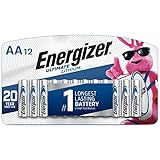
| Energizer Ultimate Lithium 12-Count | Mid-size restock | 12 count, long-lasting power |
| Granicell Lithium 10-Pack | Cold-weather and outdoor gear | 10-year life, extreme-temp resistant |
| Energizer 60AA Ultimate Lithium | Bulk leak-resistant stock | Leakproof, 60AA listing |
| Rayovac Lithium 24-Pack | Flashlights and electronics | 24 pack, double A lithium |
How to Choose
Confirm the device actually benefits
Lithium primary AAs shine in high-drain or cold-exposed gear: outdoor cameras, smart locks, flashlights, trail cameras, and wireless microphones. They are also lighter than alkaline, which matters for ultralight kits. In low-drain devices such as wall clocks or basic remotes, alkaline is usually fine, and you are paying for headroom you will never use. A useful rule is to ask how often you open the battery door: if a device eats cells every few months or fails in the cold, lithium pays for itself in saved hassle, and if it runs for years on one set, it does not.
Check voltage and chemistry
The cells in this guide are listed at 1.5V, matching standard AA devices, so they should drop into anything that accepts a normal alkaline AA. Do not confuse them with rechargeable lithium-ion AA cells, which often output a different voltage and need their own chargers. Never put a primary lithium cell in a charger, and do not mix lithium with alkaline or old with new inside the same device.
Pack size and shelf life
A 4-pack works for one gadget, but a device that takes four cells and runs through them twice a year is better served by a 24-pack. Shelf life claims of 10 or 20 years suggest the cells hold their charge in storage, which is useful for emergency kits, though the claim is made by the seller and varies by storage temperature. Buy only the number you will use within a few years, then rotate stock. Write the purchase date on the pack with a marker so the oldest cells always go into service first, and keep spares in a cool indoor spot rather than a hot garage.
Leak protection and temperature range
Leaks ruin expensive electronics, so a leakproof or leak-resistant claim has real value in smart locks and cameras that may sit untouched for months. Temperature claims matter if your device is outdoors; lithium chemistry generally handles cold better than alkaline. Budget packs sometimes cut corners with vague claims, so look for named temperature or shelf-life statements in the title. Also check the device manual: a few smart locks and cameras specifically call for lithium cells, and using alkaline in them can shorten runtime and trigger low-battery warnings early.
The 8 Best Options
Energizer Ultimate Lithium 24-Pack
This is the large household option, named for flashlights, remote controls, and electronics. It suits families who run several devices and prefer to buy once instead of making repeated small purchases. A pack this size can cover a rotation of flashlights, game controllers, and a couple of sensors, and the long-lasting power claim in the title points to demanding gear rather than occasional use.
- Strength: 24 cells cover multiple devices in a single purchase.
- Strength: the long-lasting power claim targets high-drain gadgets.
- Trade-off: a big upfront cost for a household that uses only a few cells a year.
Skip it if you only need cells for one camera or lock, because unused cells sitting in a drawer are cost without benefit.
Energizer Ultimate Lithium 8-Pack
A mid-sized pack at 1.5V, handy for two four-cell devices or a stocked drawer. It is a sensible default for shoppers unsure how many cells they will actually burn through in a year. Eight cells let you swap a flashlight or a pair of sensors immediately and still keep a spare set in reserve, without committing to a bulk quantity that might sit unused.
- Strength: enough cells for a full refill plus spares.
- Strength: the 1.5V rating matches standard AA gear.
- Trade-off: a higher per-cell cost than the 24-pack tier.
Skip it if you run many devices and want the lowest cost per cell.
Energizer Ultimate Lithium 4-Pack
The smallest pack here, ideal for a single four-cell device or for trying lithium before committing to a larger box. The title keeps things simple: 1.5V lithium double A cells. If you are curious whether lithium makes a visible difference in a camera, lock, or flashlight, this is the lowest-risk way to find out before stocking up.
- Strength: low commitment for a first purchase.
- Strength: 1.5V lithium suited to cold or high-drain gear.
- Trade-off: the highest cost per cell in this comparison.
Skip it if you plan to stock several devices.
BEVIGOR Lithium 24-Pack
This 24-pack leads with a 20-year shelf life and names Blink cameras, flashlights, microphones, and alarm systems. It is built for people who store spares and forget about them until the day a device dies. That long shelf-life claim makes it appealing for emergency kits, garage shelves, and seasonal gear that comes out once or twice a year.
- Strength: the 20-year shelf life suits emergency kits and long storage.
- Strength: named uses include cameras, microphones, and alarms.
- Trade-off: a lesser-known brand, so buyers wanting a familiar name may hesitate.
Skip it if brand recognition matters more than storage claims.
Energizer Ultimate Lithium 12-Count
A middle size between the 8-pack and the 24-pack, again promising long-lasting power for flashlights, remotes, and electronics. Twelve cells is a tidy number for homes with three four-cell devices, such as a pair of flashlights and a wireless doorbell, and it avoids the shelf space and upfront outlay that the 24-pack requires while still giving a buffer.
- Strength: three four-cell sets in one pack.
- Strength: familiar brand with the same Ultimate Lithium line.
- Trade-off: it sits in a tier where the 24-pack may lower the per-cell cost.
Skip it if you only need a pair of cells.
Granicell Lithium 10-Pack
This 10-pack is aimed at Blink cameras, smart locks, and alarms, with a 10-year life, leak-proof construction, and extreme-temperature resistance in the title. Those details line up with devices that sit outdoors or in unheated spaces, where cold and long intervals between swaps are the main threats. It fits outdoor and cold-climate gear well.
- Strength: extreme-temp resistance suits outdoor devices.
- Strength: the leak-proof claim protects locks and cameras.
- Trade-off: the 10-year life figure is shorter than the 20-year claim on one rival.
Skip it if you want an established household brand.
Energizer 60AA Ultimate Lithium
The listing is titled “60AA” and stresses long-lasting, leakproof performance. Confirm the exact count in the product details before ordering, since the title does not spell it out. The wording suggests a bulk quantity, which would make sense for anyone running dozens of devices, such as a small business with sensors, scanners, or a fleet of flashlights.
- Strength: the leakproof claim is central to the listing.
- Strength: the Ultimate Lithium line targets demanding electronics.
- Trade-off: an unclear pack description in the title.
Skip it if you want a plainly stated pack count.
Rayovac Lithium 24-Pack
A 24-pack of Rayovac double A lithium cells for flashlights, remote controls, and electronics, giving a second brand option at bulk size. For shoppers who like to compare brands or cannot find their usual one in stock, it is a straightforward alternative that targets the same everyday uses as the larger Energizer packs without extra claims.
- Strength: bulk quantity for heavy household use.
- Strength: an alternative brand if Energizer is out of stock.
- Trade-off: the title offers no shelf-life or temperature claim to compare.
Skip it if specific storage or cold-weather claims are a deciding factor.
Which One Fits Your Situation
You run several outdoor cameras
The Granicell Lithium 10-Pack lists extreme-temperature resistance and leak-proof construction, which suits porch and yard devices that sit untouched for months. A pack of ten also divides neatly across two or three devices, so you can swap a set per camera and keep a couple in reserve.
You are building an emergency kit
The BEVIGOR 24-Pack and its 20-year shelf life make sense for a storm box you open once a year and want to forget about the rest of the time.
You want a trusted brand for the whole house
The Energizer Ultimate Lithium 24-Pack covers remotes, flashlights, and electronics under one familiar name, with the 12-Count as a smaller alternative.
You are just trying lithium for one device
Start with the Energizer Ultimate Lithium 4-Pack so you are not stuck with a bulk box you do not need. If the experiment goes well, the Energizer 8-Pack is the natural next step for a second device and a spare set.
Common Mistakes
- Buying lithium for low-drain devices where alkaline works fine.
- Putting primary lithium cells in a battery charger.
- Mixing lithium with alkaline or old with new cells in the same device.
- Taking shelf-life claims as guaranteed instead of storing cells cool and dry.
- Ignoring the pack-size description, as with a vague count in a listing title.
Related guides
- What Is The Best Budget Most Responsive Gaming Mouse Wired
- Low Latency Gaming Headphones Usb-C 2.4 Ghz Wireless
- Low Latency Gaming Headphones Usb-C Dongle 2.4 Ghz
Frequently Asked Questions
Are lithium AA batteries better than alkaline?
For high-drain or cold-exposed devices, yes, since they handle those loads and temperatures better and weigh less. For simple remotes and clocks, alkaline is usually enough. The extra cost of lithium is easiest to justify where changing batteries is inconvenient, such as a camera mounted high on a wall.
Can I recharge lithium AA batteries?
Primary lithium AA cells like those listed here are not rechargeable. Forcing them into a charger is unsafe and can damage both the cells and the charger. If you want reusable cells, buy rechargeable AAs designed for your charger instead.
Do lithium AAs leak?
They are generally less prone to leaking than alkaline, and several listings make leakproof claims. Still, remove cells from devices you will not use for a long time, and wipe the contacts with a dry cloth if you spot any residue or corrosion.
How many should I buy?
Count the cells in your devices and how often you swap them. A 4 or 8-pack suits small setups; 24-packs suit homes with multiple cameras, locks, and flashlights. If you are unsure, buy the smaller pack first and watch how quickly your devices drain it before scaling up.