
The best audiophile headphones for detailed sound are usually open-back models such as the Sennheiser HD 800 S, HIFIMAN Edition XS, or Audeze LCD-2 Classic, but a closed-back design is the better choice when you need isolation, strong bass control, or a microphone-friendly setup.
As an Amazon Associate we earn from qualifying purchases at no extra cost to you.


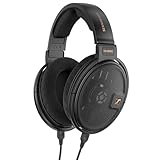
Top 3 picks at a glance
Quick recommendations by listening situation
| Your situation | Best starting point | Why it fits | Important limitation |
|---|---|---|---|
| Competitive PC gaming in a quiet room | Sennheiser HD 800 S | Very wide presentation and precise positional imaging | Expensive, bright for some listeners, and leaks sound |
| Music, games, and a modest headphone amp | HIFIMAN Edition XS | Planar detail, spacious sound, and moderate 18-ohm impedance | Open-back leakage and variable comfort depending on head shape |
| First serious audiophile purchase | Sennheiser HD 600 | Natural midrange, replaceable parts, and broad compatibility | Narrower soundstage and limited sub-bass compared with some planars |
| Shared room or noisy environment | Beyerdynamic DT 700 Pro X | Closed isolation, durable construction, and relatively easy drive requirements | Less spacious imaging than a good open-back headphone |
| Powerful bass with high resolution | Audeze LCD-2 Classic | Planar bass extension and dense, smooth detail | Heavy and requires a more capable amplifier than many dynamic headphones |
Open-back versus closed-back headphones
Open-back: the choice for spacious imaging
Open-back earcups allow air and sound to pass through the rear of the driver. This usually produces a more natural sense of space, clearer separation between instruments, and less of the “sound inside your head” effect. Those traits are valuable in games: footsteps, reloads, distant ambience, and vertical cues can be easier to place.
The Sennheiser HD 800 S is a specialist option for imaging. Its large presentation can make positional details easy to follow, although its treble emphasis may make gunshots, cymbals, or poorly mastered recordings sound sharp. The HD 600 is less expansive but has a reliable midrange balance that works well for dialogue, vocals, acoustic music, and long sessions. The HIFIMAN Edition XS offers planar-driver detail and a larger presentation at a lower price tier, while the Audeze LCD-2 Classic emphasizes weighty bass and a smoother top end.
Open-back headphones do not block outside noise and leak your audio into the room. They are a poor choice beside a sleeping partner, a recording microphone, or a loud PC fan. They also provide little privacy for voice chat.
Closed-back: the practical choice for isolation
Closed-back headphones seal the rear of the driver. This reduces leakage and blocks some environmental noise, while often giving bass a stronger and more immediate character. The trade-off is that reflections inside the cup can make imaging feel narrower or less natural.
The Beyerdynamic DT 700 Pro X is a useful closed-back all-rounder for gaming, music, and voice chat. The AKG K371 is another sensible option when you want a balanced tuning and a relatively low-power setup. The Audeze LCD-XC provides high-end planar resolution in a closed design, but its cost and weight make it a specialist purchase rather than an automatic recommendation.
How to choose tonal balance for games and music
- Neutral or mid-forward: Good for dialogue, vocals, acoustic instruments, and hearing the frequency range where many game sounds are designed to remain intelligible. The HD 600 is a classic example.
- Warm: Adds body to lower mids and bass. It can make music and cinematic games satisfying, but excessive warmth may obscure low-level footsteps or texture.
- Bright: Emphasizes upper mids and treble, which can increase perceived detail and attack. Too much energy can cause fatigue and exaggerate harsh recordings.
- V-shaped: Boosted bass and treble with recessed mids. This can sound exciting, but dialogue and competitive audio cues may be less prominent.
- Planar-style presentation: Many planar magnetic headphones offer clean bass and fine low-level texture, though driver quality and tuning matter more than the technology label alone.
For competitive gaming, do not automatically select the brightest headphone. Imaging accuracy depends on frequency balance, cup geometry, driver behavior, and the game’s mix. A sharp treble peak may make footsteps seem louder without making their direction more reliable.
Impedance, sensitivity, and amplifier requirements
Impedance alone does not tell you whether a headphone is easy to drive. Sensitivity, measured in decibels per milliwatt or per volt, is equally important. A 32-ohm headphone can still need substantial current, while a 300-ohm dynamic headphone may need more voltage but modest current.
Here is a practical power calculation. Suppose a headphone has a sensitivity of 100 dB per milliwatt and you want 110 dB peaks. A 10 dB increase requires ten times the power, so:
1 mW × 10(10/10) = 10 mW.
That is the theoretical continuous power target before allowing headroom. A sensible amplifier might provide at least 20–30 mW into that load, with clean output and no audible clipping. For a 300-ohm headphone rated around 102 dB per volt, the same 110 dB target needs approximately 2.5 volts RMS because a 10 dB increase requires 3.16 times the voltage. Many laptop outputs can reach neither the necessary voltage nor clean headroom into high impedance.
| Headphone class | Typical impedance | What to check | Likely setup |
|---|---|---|---|
| Efficient closed-back dynamic | 16–80 ohms | Output noise and microphone compatibility | Motherboard, controller, laptop, or basic USB DAC |
| High-impedance dynamic | 120–300 ohms | Voltage swing and clean headroom | Dedicated headphone amp often beneficial |
| Low-sensitivity planar | 18–60 ohms | Current delivery and power at the rated impedance | Quality USB amp/DAC or integrated desktop amplifier |
| Very efficient IEM-style load | Below 32 ohms | Hiss and output impedance | Low-noise source with output impedance preferably under 2 ohms |
If your volume knob reaches a comfortable level with several decibels of adjustment remaining and the sound does not become harsh during peaks, an upgrade may not be necessary. An amplifier cannot repair poor tuning, bad positioning, or compressed game audio.
Comfort matters more than small detail differences
Check clamp force, pad depth, headband pressure, weight, and heat before judging sound quality. The HD 800 S is unusually light for its size, while the LCD-2 Classic and LCD-XC can feel heavy during long sessions. Velour pads often breathe better than sealed leather or synthetic leather, but they may provide less isolation and alter the treble response.
Glasses can create a gap under the pads and reduce bass on closed-back headphones. If possible, choose pads with a flexible sealing surface. Avoid judging a headphone solely by its first ten minutes: clamp can relax, but hot pads, a pressure point, or excessive weight rarely becomes acceptable after weeks of use.
Repairability and replaceable parts
A repairable headphone can cost less over its useful life than a cheaper model with glued cables and proprietary cushions. Before buying, confirm that the following parts are available separately:
- Cable: A detachable cable is easier to replace than a permanently attached one. Dual-entry connectors can be more secure but less convenient for third-party replacements.
- Earpads: Pads wear from sweat and compression. Replacements also change bass, treble, seal, and comfort.
- Headband padding: A removable or replaceable headband cover is preferable to a permanently bonded surface.
- Driver protection: Grilles and mesh should be cleanable without exposing the driver to accidental damage.
- Connectors and hinges: Robust yokes and standard sockets are easier for a technician to service.
Sennheiser HD 600-series headphones, many Beyerdynamic models, and several Audeze headphones are known for having replaceable cables and pads, although availability and regional service policies can change. HIFIMAN models commonly offer replaceable cables and pads, but the exact construction differs between product lines. Check the manufacturer’s current parts catalog rather than assuming every component is user-replaceable.
A sensible buying process
- Choose the environment first. Select open-back for a quiet room and maximum spatial openness; select closed-back for isolation and reduced leakage.
- Set a tonal target. Choose neutral for accuracy, warm for relaxed listening, or brighter for extra perceived attack—but treat bright treble cautiously.
- Check source compatibility. Compare impedance and sensitivity with your motherboard, controller, laptop, or headphone amplifier.
- Prioritize fit. A comfortable headphone used for two hours is more useful than a technically impressive model removed after fifteen minutes.
- Plan for ownership. Confirm replacement pads, cables, warranty service, and driver repair options before paying a premium.
For most PC gamers who can use open-back headphones, the HD 600 is the safest natural-sounding starting point, the Edition XS is attractive for a larger planar presentation, and the HD 800 S is the specialist choice when imaging takes priority over price and bass impact. For shared spaces, the DT 700 Pro X is a practical closed-back choice, while the LCD-XC targets listeners who want closed-back isolation without giving up a high-end planar design.


