
If you work from a laptop at home, you have probably run into the same limit: one or two USB-C ports and not enough places to plug in everything else. A monitor, a keyboard, a charger, and maybe an external drive all need a home. That is where the choice between a compact USB-C hub with HDMI and a full DisplayPort dock comes in. Both give you more ports and external display support, but they solve different problems. The hub is built for portability and simple single-screen setups. The dock is built for a permanent desk that stays put and powers everything through one cable. Understanding compatibility before you buy will save you from blank screens, flickering, and wasted money.
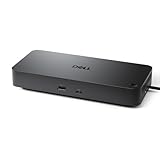
For most modern laptops, the deciding factor is not just HDMI versus DisplayPort, it is how your laptop’s USB-C port is wired, what resolution and refresh rate you need, and whether you want a travel-friendly accessory or a desktop command center. The products you see at very different price points reflect that split. A value option like the BENFEI USB C Hub 5-in-1 with 4K HDMI sits at the portable end, while something like the Dell Pro Laptop Docking Station WD25, USB-C, 100W, DisplayPort, HDMI represents the full dock approach.
As an Amazon Associate we earn from qualifying purchases at no extra cost to you. Product prices and availability are accurate as of the date shown and are subject to change.



Top 3 picks at a glance
Quick Verdict
Choose a USB-C hub with HDMI if you need a lightweight, affordable way to add a single 4K monitor, a few USB-A ports, and pass-through charging for a laptop, tablet, or even a phone. It is the right fit for most home users, students, and hybrid workers who move between rooms or between home and office.
Choose a DisplayPort dock if you run two or three external monitors, need higher refresh rates or color depth for design work, want reliable 90W to 100W power delivery, and prefer a single-cable setup that also handles Ethernet, audio, and multiple USB peripherals. It is the right fit for a dedicated home office, a creative workstation, or any setup where compatibility and stability matter more than portability.
Side by Side
| Feature | USB-C Hub with HDMI | DisplayPort Dock |
|---|---|---|
| Comfort / Ease of Use | Plug and play, no drivers. Cable is typically 6 to 8 inches long and attached. Very low learning curve. | One-cable docking, but requires initial setup. Separate power brick and longer cable, 27 to 31 inches. Best when left on desk. |
| Durability | Aluminum case, silicone cable. Designed for transport. Typical weight 1.8 to 3.5 oz. Can run warm under load. | Heavier enclosure, often 10 to 16 oz plus 180W to 240W power brick. Built for constant use with better thermal management. |
| Price Range | $9.99 to $49.99. Examples include the BENFEI USB C Hub 5-in-1 and Anker USB C Hub, 5-in-1 USBC to HDMI Splitter. | $100 to $220. Example: Dell Pro Laptop Docking Station WD25 at around $153.79, to higher-end Thunderbolt variants. |
| Maintenance | Almost none. No firmware updates. Wipe down the aluminum housing and avoid bending the built-in cable. | Occasional firmware and driver updates for display and Ethernet stability. Keep vents clear and power supply accessible. |
| Space Needed | Palm-sized, about 4.6 x 1.7 x 0.6 inches. Fits in a laptop sleeve or drawer. | Dock footprint about 8.1 x 3.5 x 1.1 inches plus power brick. Needs dedicated desk space and cable routing. |
| Look | Minimalist bar or puck in space gray or silver. Matches MacBook, XPS, and ThinkPad aesthetics. | Matte black box or stand with ports on front and rear. Designed to be hidden behind a monitor. |
| Resale / Longevity | Lower resale, $5 to $20 after a year. Easily replaced as standards change. Lasts 2 to 4 years of daily use. | Higher resale, $60 to $120 after 2 years. Longer useful life for a fixed workstation, 4 to 6 years if standards remain consistent. |
| Best For | Single 4K at 30Hz or 60Hz via HDMI, 3x USB-A, 100W pass-through charging, tablets and ultrabooks. | Dual 4K at 60Hz or triple 1080p, DisplayPort 1.4 plus HDMI 2.0/2.1, 65W to 100W power delivery, Ethernet and audio. |
| Compatibility Check | Requires USB-C with DisplayPort Alt Mode. Will not output video from USB-C data-only ports. | Requires USB-C with DisplayPort Alt Mode or Thunderbolt. Check laptop spec sheet for number of displays supported. |
Where Usb C Hub with Hdmi Wins
The biggest advantage of a USB-C hub with HDMI is simplicity and universal TV and monitor compatibility. HDMI is on virtually every display sold in the last decade, from budget 24-inch monitors to living room TVs and projectors. If you want to mirror or extend your laptop to one 4K screen, a hub does it without adapters.
Portability is the second win. A 5-in-1 hub like the BENFEI model or the Anker USB C Hub, 5-in-1 USBC to HDMI Splitter weighs just a few ounces and adds an HDMI 4K port that is certified for 3840 x 2160 at up to 60Hz when paired with a compatible laptop, plus three USB-A ports for keyboard, mouse, and flash drive. Most also include a USB-C Power Delivery input rated at 100W. In practice, after the hub’s own power use you get about 85W to 92W to the laptop, which is enough to charge a MacBook Air, 13-inch MacBook Pro, XPS 13, or ThinkPad X1 at full speed while you work.
Setup is genuinely plug and play. You connect the hub’s built-in USB-C cable to your laptop, plug an HDMI cable to your monitor, and you have video. As of 2026, this still matters for households that share one hub between multiple devices, including iPad Pro and iPhone 15 Pro models with USB-C, which can output video through the same HDMI port. For home use where you might work at the kitchen table in the morning and the sofa in the evening, that flexibility outweighs the dock’s extra ports.
Price seals the deal for many buyers. When a capable HDMI hub costs $9.99 to $24.99, it is easy to keep one in your bag and one in your living room. A dual-monitor capable option such as the USB C Laptop Docking Station Dual Monitor HDMI USB C Hub Multiport Adapter at around $49.99 adds dual HDMI support for about a third of the cost of an enterprise dock, which makes it a sensible middle ground if you only occasionally need two screens.
Where Displayport Dock Compatibility Wins
A DisplayPort dock wins when stability, bandwidth, and a true single-cable desk matter more than portability. DisplayPort 1.4 has more video bandwidth than HDMI 2.0 found on many hubs. That translates to reliable support for two 4K displays at 60Hz, or one ultrawide 5120 x 1440 at 60Hz, without compression artifacts. HDMI can do dual 4K as well, but on docks that offer both, the DisplayPort outputs are usually the ones that support the highest refresh rates and 10-bit color for photo and video work.
Compatibility is also broader on the power and data side. A dock like the Dell Pro Laptop Docking Station WD25 provides up to 100W power delivery, Gigabit Ethernet, multiple USB-A and USB-C ports, and both DisplayPort and HDMI outputs from one upstream USB-C connection. Instead of juggling a separate charger, Ethernet adapter, and video dongle, you connect one cable that charges the laptop, drives your monitors, and keeps your wired network and accessories active. For a home office that doubles as a video conferencing studio, that single connection reduces daily friction.
Docks handle multi-monitor logic better. Many USB-C hubs with a single HDMI port mirror the same signal if you try to add a splitter, while a proper dock has an internal MST hub or Thunderbolt controller that actually extends to two or three independent displays. If your laptop supports DisplayPort Alt Mode with MST or Thunderbolt 4, the dock will let you run extended desktops rather than duplicated ones, which is essential for spreadsheets, coding, or editing timelines.
Finally, docks are built for thermal and electrical stability. They include a dedicated AC adapter, typically 130W to 180W, so the dock can deliver a full 65W, 90W, or 100W to the laptop without throttling when several USB devices and two monitors are active. That matters if you leave the setup running eight hours a day with external drives and a webcam drawing power.
Cost Over 5 Years
Upfront cost is the most obvious difference, but total cost over five years narrows when you factor in accessories you would otherwise buy separately.
A USB-C hub with HDMI approach typically starts at $10 to $50 for the hub, plus $15 to $25 for a good HDMI 2.0 cable if you do not have one, and you continue to use the laptop’s original charger. If the built-in cable frays or the HDMI port loosens after two to three years of daily plugging, replacement is $10 to $50. Over five years, most households spend $25 to $75 total, assuming one replacement.
A DisplayPort dock starts at $150 to $220 for the dock itself and includes its own power supply and often an upstream USB-C or Thunderbolt cable rated for 100W and 40Gbps. You do not need a separate charger at the desk, and you can use inexpensive DisplayPort or HDMI cables, $10 to $18 each. The dock should last the full five years without replacement, though you may spend $0 to $30 on firmware support or cable replacement. Total five-year spend is usually $160 to $250.
The math favors the hub if your needs stay at one monitor. It favors the dock if you would otherwise need to buy a separate 100W charger at $60 to $80, a USB Ethernet adapter at $20 to $35, and a powered USB hub at $25 to $40 to replicate the same connectivity. In that case the dock consolidates three purchases into one and reduces cable clutter.
Which One for Your Home
Your home layout and how you work should drive the choice more than the connector name on the box.
Small Apartment
Go with a USB-C hub with HDMI. You likely have one desk or no desk at all, plus a TV that doubles as a second screen. A compact 5-in-1 hub tucks into a drawer, travels to a coffee shop, and connects to a TV for movie night without a permanent cable nest. You save roughly six inches of desk depth and do not need to find a place for a power brick. If you need dual screens later, the $49.99 dual-HDMI hub style adapter can bridge the gap without committing to a full dock.
Family with Kids or Pets
Go with a USB-C hub with HDMI for shared spaces and a dock only for a closed office. Hubs have no separate power brick to be pulled off a desk and fewer cables to be chewed or tripped over. They are also cheap enough that a damaged unit is a $10 to $25 replacement, not a $150 loss. If you do install a dock, mount it under the desk or behind the monitor and route the power cable along the wall to keep it out of high-traffic paths.
Rental
Go with a USB-C hub with HDMI. Rentals often restrict wall mounting and cable management. A hub requires no installation and leaves no marks. You can achieve a clean look with a single HDMI cable to a monitor and keep the laptop charger in your bag. If you move frequently, the hub moves with you without worrying whether the next apartment has space for a docking station.
Long-Term Home or Dedicated Home Office
Go with a DisplayPort dock. When you own the space and work from the same desk daily, the investment pays off in comfort and reliability. A dock lets you close the laptop, place it on a stand, and wake dual monitors with one button press. You get wired Ethernet for stable video calls, enough USB ports for a printer, scanner, and backup drive, and consistent 90W to 100W charging without juggling chargers. Over several years, the single-cable workflow saves time and reduces wear on the laptop’s USB-C ports.
FAQ
How do I know if my laptop supports video over USB-C?
Check the spec sheet for USB-C with DisplayPort Alt Mode, Thunderbolt 3, or Thunderbolt 4. A USB-C icon with a small DP or lightning symbol usually indicates video support. If the sheet says USB-C 3.2 Gen 1 data only, a hub or dock will give you USB ports and charging but no HDMI or DisplayPort output. When in doubt, look up your exact model on the manufacturer’s support page and search for display support.
Is HDMI or DisplayPort better for 4K at home?
Both can do 4K at 60Hz, but DisplayPort 1.4 offers more headroom for dual 4K at 60Hz, higher refresh rates at 1440p, and 10-bit color for creative work. HDMI is better for TV compatibility and simpler single-monitor setups. For most homes with one 27-inch 4K monitor, a certified 4K HDMI hub is fully compatible and easier to use. For dual monitors or ultrawide screens, a dock with DisplayPort is the safer choice.
Will a 100W Power Delivery hub charge my laptop at full speed?
A hub advertised as 100W Power Delivery can pass up to 100W from your charger, but the hub itself uses 5W to 15W. That leaves about 85W to 92W for the laptop. That is full speed for Air, 13-inch Pro, XPS 13, and similar ultrabooks that charge at 45W to 67W. A 16-inch laptop that needs 96W to 140W will charge more slowly or need its separate high-wattage brick for heavy loads, even when connected through the hub.
Can I mix HDMI and DisplayPort monitors on the same dock?
Yes, most modern docks with both outputs let you use one HDMI and one DisplayPort monitor at the same time. Use DisplayPort for the primary high-refresh or color-critical display and HDMI for the secondary monitor. Make sure your laptop supports the total number of external displays you plan to use, as some 13-inch models are limited to one external 4K display at 60Hz regardless of the dock.
