
A desk mat looks like a small finishing touch, but the material choice affects how a workspace feels every day. The real decision is not simply whether you prefer genuine leather or a lower-priced alternative. It is whether you want a surface that develops character over time and may last for years, or one that is easy to replace, water-resistant, and suited to a more changeable household.
In the leather desk mat vs pu leather desk mat debate, genuine leather generally offers richer texture, better long-term aging, and a more substantial feel. PU leather—short for polyurethane leather—usually costs far less, wipes clean easily, and is practical for busy desks where spills, snacks, art projects, or frequent moves are part of life. Both can protect a desk from scratches, provide a comfortable writing surface, and double as a large mouse pad.
As an Amazon Associate we earn from qualifying purchases at no extra cost to you.
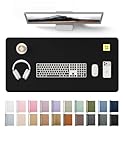


Top 3 picks at a glance
Quick Verdict
Choose a real leather desk mat if you are furnishing a long-term home office, appreciate natural materials, and are willing to do light conditioning and careful spill cleanup. A real leather mat in a common 32 x 16-inch size often costs about $35 to $120, with premium full-grain options going higher. It is the better choice for a warm, tailored desk setup that you intend to keep.
Choose a PU leather desk mat if you want broad desk coverage for $10 to $30, need easy cleanup, or are furnishing a rental, dorm, shared office, or family workspace. PU leather is especially useful when a mat may need replacement after a few years. For example, budget-friendly 31.5 x 15.8-inch PU mats such as the YSAGi Leather Desk Protector are listed around $12.59, while the similarly sized Aothia Leather Office Desk Pad Protector is around $13.99.
For most households, PU leather is the practical value pick. For a permanent, design-led workspace, real leather is the more rewarding investment.
Side by Side
| Factor | Real Leather Desk Mat | PU Leather Desk Mat |
|---|---|---|
| Comfort | Usually warmer, softer, and more naturally textured; can feel especially pleasant under forearms. | Smooth and lightly cushioned on many models, though it can feel less breathable and more uniform. |
| Durability | Can last 5 to 15 years or longer with sensible care; develops patina rather than remaining unchanged. | Often lasts about 2 to 5 years in active use; may eventually peel, crack, or delaminate at edges. |
| Typical price range | About $35 to $120 for common home-office sizes, with premium hides above that range. | About $10 to $30 for most 24 x 14-inch to 36 x 17-inch mats. |
| Maintenance | Blot spills promptly, use a leather-safe cleaner when needed, and condition occasionally. | Wipe with a damp cloth; avoid abrasive cleaners and prolonged heat exposure. |
| Space needed | Most useful at 30 to 36 inches wide; allow room for a laptop, keyboard, and mouse. | Available in compact and oversized formats; 31.5 x 15.7 inches is a popular all-purpose size. |
| Look | Natural grain, subtle color variation, and a more furniture-like finish. | Clean, consistent color and a streamlined modern appearance. |
| Resale value | A well-kept, recognizable leather piece may retain some value, particularly if it is full-grain. | Generally has little to no resale value once used. |
| Water resistance | Handles small spills if wiped quickly, but standing water can stain, stiffen, or mark leather. | Usually more resistant to everyday coffee drips, pen marks, and damp cleaning. |
| Best for | Long-term home offices, executive-style desks, and buyers who value natural materials. | Rentals, student desks, shared spaces, households with kids, and budget-conscious upgrades. |
Where Leather Desk Mat Wins
Real leather wins on tactile quality. A good leather desk mat has enough natural texture to feel substantial without interfering with handwriting, a keyboard, or optical mouse tracking. It can make an ordinary laminate or veneer desk feel less temporary, particularly in a living-room office where the desk is visible all day.
It also improves with age in a way synthetic materials usually do not. Small variations in color, gentle darkening, and softened edges can become part of the appeal. This is often called patina, and it gives leather a lived-in quality that coordinates well with wood, brass, black metal, and traditional office furniture.
Real leather can be a stronger long-term value when you choose an appropriate grade and treat it well. An entry-level real leather mat may be made from split leather or have a coated surface, while fuller-grain options tend to show more natural character and generally age more gracefully. The Elizo Real Leather Desk Mat Set, for example, is a 32 x 16-inch real leather option priced around $39.97, placing it close to the accessible end of the genuine-leather category.
Leather also tends to stay put because of its weight. A 32 x 16-inch mat may weigh roughly 1.5 to 3 pounds depending on hide thickness and backing, compared with many lightweight PU mats that weigh under 2 pounds. Still, check whether a leather mat has a suede, cork, or non-slip backing if your desk has a slick glass or polished surface.
The tradeoff is care. Leather does not welcome permanent water rings, oily food residue, harsh disinfectant sprays, or repeated exposure to direct sun. It is best for a desk where you can use a coaster, avoid eating messy meals over the mat, and clean up promptly.
Where Pu Leather Desk Mat Wins
PU leather wins on convenience and coverage per dollar. For around $13, a 31.5 x 15.7-inch mat can protect a large section of desk surface, hold a keyboard and mouse, and create a defined writing zone. That is an inexpensive way to refresh a scratched desktop or visually unify mismatched office furniture.
It is also the easier material for high-traffic spaces. A damp microfiber cloth can handle most dust, crumbs, and small spills. That makes PU leather a sensible pick for a homework station, a kitchen desk, a craft table, or a work-from-home setup where coffee frequently shares space with a laptop.
Many PU mats are reversible, with different colors or finishes on each side. This can be useful if you want a darker surface for video calls and a lighter side for a brighter room. Some designs also include a non-slip textured underside, although performance varies with the desk material and how flat the mat has had time to rest after shipping.
PU leather is not actual hide, which may matter to shoppers seeking animal-free materials. It should not be confused with every synthetic leather type, however: PVC and other coated fabrics can have different feel, odor, flexibility, and durability. Look for a product description that specifically states PU leather if that is your preference.
The main limitation is aging. PU leather commonly looks excellent when new, but repeated flexing, heat from sunny windows, friction at the wrist area, and heavy daily use can eventually cause surface wear. At its low price, replacement is manageable—but it is still less ideal if your goal is to buy once and keep the same desk accessory for a decade.
Cost Over 5 Years
A useful way to compare these materials is to consider replacement cycles rather than the ticket price alone. A basic PU leather desk mat costs roughly $10 to $20. If it lasts about 2 to 3 years in a busy household, you may buy two mats over five years, for a likely total of $20 to $40. Choosing a thicker or better-finished PU version at $20 to $30 could bring the five-year total to $20 to $60, depending on whether it needs replacement.
A real leather desk mat may cost $40 to $100 upfront. Add a small amount for leather cleaner or conditioner over five years—often $10 to $20, though one bottle can serve several leather items—and the total may land around $50 to $120. If the mat remains in good condition for 10 years, its annual cost can be competitive with repeatedly replacing synthetics.
For 2026 shoppers, the most economical option depends on how long the desk arrangement will remain in place. A temporary workspace favors PU leather. A permanent desk in a home you plan to occupy for years can justify genuine leather.
Which One for Your Home
Small apartment
Choose a PU leather desk mat if your desk doubles as a dining table, console, or bedside work surface. A 24 x 14-inch mat works for a compact laptop setup, while a 31.5 x 15.7-inch option better accommodates a keyboard and mouse. PU leather is easy to roll or move when you need the surface for something else, and its low cost suits furniture layouts that may change often.
Family with kids or pets
Choose PU leather. It is the more forgiving option around juice boxes, markers, pet hair, and frequent wiping. Use a dark color such as black, charcoal, espresso, or navy if fingerprints and small marks are likely. Real leather can work in a protected adult-only office, but it is not the low-stress choice for a shared family desk.
Rental
Choose PU leather for economical protection. It can cover existing scratches, protect a landlord-owned desk, and make a basic work surface feel more intentional without a major investment. A neutral 31.5-inch-wide mat is large enough for many standard desks yet easy to take with you when moving.
Long-term home
Choose real leather if the desk is a lasting part of your home. A 32 x 16-inch leather mat is a versatile size for a writing desk or computer desk, while 36 x 20 inches suits larger workstations. Select a color that works with your furniture over time: saddle brown adds warmth, black feels tailored, and deep green or oxblood can add character without overwhelming the room.
FAQ
Is PU leather good for a desk mat?
Yes. PU leather is one of the most practical desk-mat materials for everyday home use because it is affordable, smooth, and simple to wipe clean. It is particularly good for protecting a desk from light scratches, keyboard movement, and minor spills. Its main drawback is that it usually will not age as well as genuine leather.
Can I use a mouse directly on a leather or PU leather desk mat?
Usually, yes. Many modern optical mice work directly on both surfaces, especially matte-finish mats. Very glossy, heavily textured, or embossed mats can be less consistent for some sensors. If gaming or precision design work is important, test your specific mouse during the return period or keep a dedicated mouse pad for maximum control.
How do I clean a real leather desk mat?
Dust it with a dry microfiber cloth and blot spills immediately rather than rubbing them. For deeper cleaning, use a cleaner designed for finished leather and follow the product directions. Avoid soaking the mat, using bleach or all-purpose sprays, and placing hot mugs directly on it. Conditioning once or twice a year is often enough for a home-office mat, depending on dryness and use.
Does a desk mat need to cover the whole desk?
No. A desk mat should cover the work zone, not necessarily every inch of the desktop. For a laptop-only setup, 24 x 14 inches may be enough. For a keyboard, mouse, and notebook, look for roughly 31.5 x 15.7 inches or 32 x 16 inches. Larger desks can use a 36 x 20-inch mat or a pair of smaller mats to define separate computer and writing areas.


