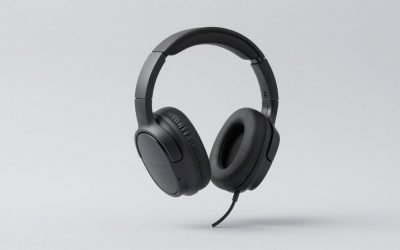
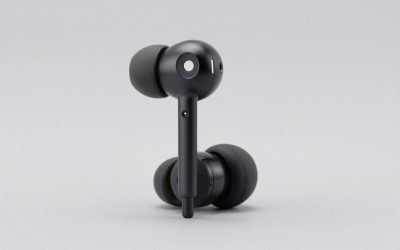
If you have ever tried to squeeze a run or a heavy gym session into a busy day, you know that your choice of headphones can make or break the experience. There is nothing more frustrating than having an earbud slip out right as you hit your stride, or feeling completely cut off from your surroundings when a cyclist sneaks up behind you. Over the past few weeks, I have been putting two very different audio solutions through their paces: the premium New Waterproof Open-Ear Bone Conduction Headphones and the budget-friendly JOYWISE Bluetooth Headphones. I wore them during outdoor runs, intense workouts, and casual work sessions to see how they hold up in real-world conditions.
The choice between these two headsets comes down to a fundamental clash of philosophies. On one side, we have an open-ear bone conduction design that prioritises situational awareness, comfort, and the latest wireless technology. On the other side, we have a traditional pair of in-ear wireless earbuds designed to seal out the world and deliver direct sound at a fraction of the cost. Both promise waterproof protection, but they go about their business in entirely different ways. Let us dive into the details to help you decide which pair deserves a spot in your gear bag.
As an Amazon Associate we earn from qualifying purchases at no extra cost to you.


Quick Verdict
If you are an outdoor athlete who prioritises safety, comfort, and cutting-edge connectivity, you should buy the New Waterproof Open-Ear Bone Conduction Headphones; however, if you want a highly affordable, traditional in-ear seal specifically for blocking out distractions at the gym, the JOYWISE Bluetooth Headphones are your best choice.
Bone Conduction Open-Ear vs JOYWISE Wireless Earbuds: Specs Side by Side
| Feature | Bone Conduction Open-Ear (A) | JOYWISE Wireless Earbuds (B) |
|---|---|---|
| Price | Check on Amazon | Check on Amazon |
| Form Factor | Open-Ear Bone Conduction | In-Ear Wireless Earbuds |
| Bluetooth Version | Bluetooth 6.0 | Not stated |
| Waterproof Rating | Waterproof | IPX7 Waterproof |
| Weight | Ultra-light | Not stated |
| Battery Life | Long Battery Life | Not stated |
| Connection Quality | Stable Connection | Bluetooth wireless |
| Primary Recommended Use | Running, Cycling, Workout, Hiking | Gym |
Where A Wins
- Unmatched Situational Awareness: Because the bone conduction design sits entirely outside your ear canal, your ears remain completely open. This allows you to hear ambient traffic, oncoming cyclists, and conversations perfectly while enjoying your music, making it the safer choice for outdoor activities.
- Next-Generation Connectivity: Equipped with Bluetooth 6.0, these headphones offer a highly stable connection with excellent range and minimal latency, ensuring your audio never drops out during fast-paced movements or outdoor excursions.
- Long-Wear Comfort: The ultra-light wireless headset design eliminates the ear fatigue, sweat buildup, and chafing associated with shoving silicone tips deep into your ear canals during long, hot workouts.
Where B Wins
- Exceptional Price Point: At just around $19, these earbuds offer an incredibly low barrier to entry, making them an ideal choice for budget-conscious buyers or as a secondary pair of backup headphones.
- Certified IPX7 Waterproofing: With an explicit IPX7 rating, these earbuds are officially certified to withstand heavy sweat and temporary immersion in water, providing peace of mind during your most intense gym sessions.
- Passive Noise Isolation: The traditional in-ear design physically blocks out external noise, allowing you to zone out and focus on your music without hearing the clanging weights or background chatter of a busy fitness centre.
Real-World Use: Which One Fits You
The Outdoor Endurance Athlete
If your workouts take you onto busy roads, winding hiking trails, or shared cycling paths, the New Waterproof Open-Ear Bone Conduction Headphones are the clear winner. As we navigate the busy environments of 2026, staying aware of your surroundings is a vital safety measure. The open-ear design ensures you can hear a car horn or a passing cyclist instantly, while the Bluetooth 6.0 chip maintains a rock-solid, stable connection even when your phone is tucked away in a running belt or backpack.
The Hardcore Gym Goer on a Budget
If your primary workout space is a noisy indoor gym where you want to block out the house music and focus on your lifts, the JOYWISE Bluetooth Headphones are the better fit. The in-ear design naturally seals your ear canal, keeping you isolated in your own motivational bubble. Plus, the IPX7 waterproof rating ensures that no matter how much you sweat on the stair climber, the internal components remain fully protected.
The All-Day Remote Worker and Casual Exerciser
For those who transition constantly between taking calls at a desk and going for quick lunchtime walks, the Bone Conduction Headphones offer superior versatility. Because they do not plug your ears, you can wear them comfortably for hours on end without experiencing that clogged, pressurized feeling. You can easily hold a conversation with a colleague or family member without constantly removing your headset.
Price and Value
There is a substantial price gap between these two products. The New Waterproof Open-Ear Bone Conduction Headphones retail for around $59, while the JOYWISE Bluetooth Headphones are priced at a very modest around $19. This represents a difference of exactly around $40.
The around $40 premium for the bone conduction model is justified if you value the safety of open-ear listening, the advanced stability of Bluetooth 6.0, and a lightweight design that does not cause ear fatigue over long hours. However, if you simply need a basic, reliable pair of earbuds to get you through a quick workout and do not want to worry about losing or damaging an expensive piece of tech, the JOYWISE earbuds offer incredible value for money at their entry-level price point.
Final Recommendation
Our top recommendation goes to the New Waterproof Open-Ear Bone Conduction Headphones. Its combination of Bluetooth 6.0, ultra-light comfort, and the safety benefits of open-ear listening make it a highly versatile tool for modern, active lifestyles. However, if you are on a strict budget or specifically prefer the noise-isolating seal of traditional in-ear earbuds to block out the world, the JOYWISE Bluetooth Headphones are an excellent, highly affordable alternative.
FAQ
Are bone conduction headphones safe for your hearing?
Yes, bone conduction headphones are generally safer for your hearing because they bypass the eardrum entirely, transmitting sound vibrations directly to the inner ear. However, you should still listen at moderate volumes to protect your hearing over long periods.
Can I swim with the JOYWISE Bluetooth Headphones?
While the JOYWISE earbuds feature an IPX7 waterproof rating, which protects them against heavy sweat and brief accidental immersion, they are not designed for swimming laps. Bluetooth signals do not travel well through water, so they are best kept poolside or in the gym.
Does Bluetooth 6.0 make a noticeable difference?
Yes, Bluetooth 6.0 provides a much more stable connection with lower latency and improved power efficiency compared to older standards. This means you will experience fewer audio drops and a faster, more reliable pairing process with your devices.
Which pair is more comfortable for long-term wear?
The New Waterproof Open-Ear Bone Conduction Headphones are significantly more comfortable for extended use. Because they rest on your cheekbones rather than inside your ear canals, they eliminate the pressure, sweat buildup, and physical discomfort associated with wearing traditional earbuds for hours.
See also: our full roundup Best Waterproof Headphones.