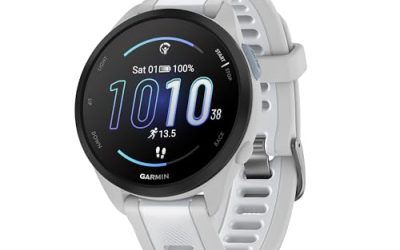
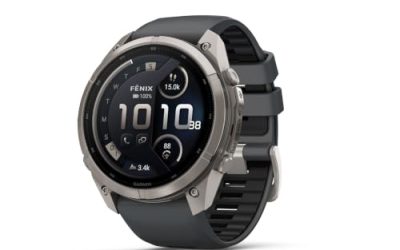
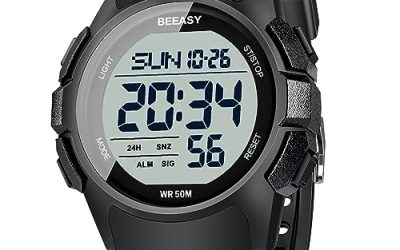
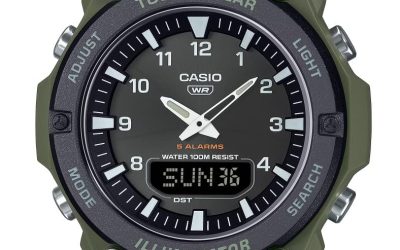
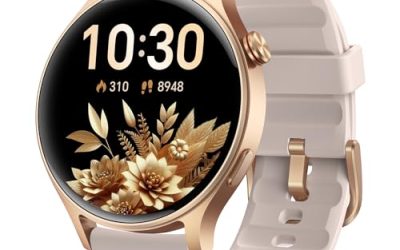
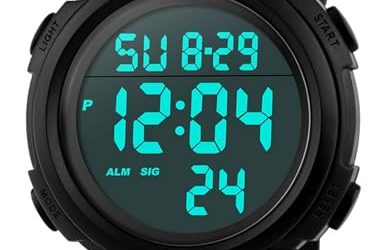
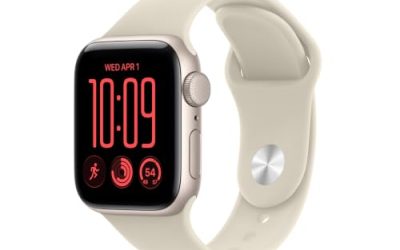
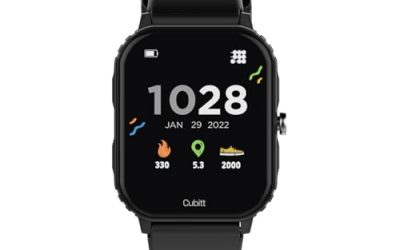
A hunting watch has one job that a fitness watch does not: keep you oriented when the trailhead is three ridges behind you and the phone has no bars. That makes this keyword a decision about navigation tools, battery stamina, and survival margin, not about step counts or notification styles. Features worth paying for include satellite positioning you can mark and return to, a compass and altimeter, a durable case, and a display that remains readable in low light. Features that look good on a box, such as dozens of sport modes, matter far less when you are glassing a basin before sunrise.
This guide is for hunters who want a wrist-mounted backup to a handheld GPS or a phone app: archery and rifle hunters walking long approaches, backcountry scouts, and anyone who wants to log a track and find the truck again. The lineup mixes rugged Garmin Instinct models with several military-style watches from smaller brands, and in 2026 the gap between them comes down to software depth, navigation features, and how the battery is rated. The sections below explain how to weigh them.
Our Top Picks

Top 3 picks at a glance
Quick Picks
As an Amazon Associate we earn from qualifying purchases at no extra cost to you.




| Product | Best for | Key spec from the listing |
|---|---|---|
| Garmin Instinct 3 Tactical | Tactical features and solar charging | 45mm, solar charging, metal-reinforced bezel |
| Garmin Instinct 3 Solar | Rugged all-rounder | 45mm, solar charging, 24/7 health monitoring |
| Garmin Instinct E | Essentials without extras | Rugged GPS watch, navigation features, built-in sports apps |
| Garmin Instinct 2 Camo Edition | Multi-GNSS and return routing | Multi-GNSS support, Tracback routing |
| Military Smart Watch, 30-day standby | Long standby on a budget | 1.43 inch AMOLED, compass and altimeter, flashlight |
| Military Smart Watch, 650mAh battery | Large-capacity battery | 650mAh battery, pressure, altitude, compass |
| Military Smart Watch, 5ATM | Wet-weather durability | 5ATM waterproof, 1.43 inch AMOLED, LED flashlight |
How to Choose
Satellite navigation and return routing
Look for built-in GPS and, ideally, multi-GNSS support, which lets the watch use several satellite systems for a faster fix under tree cover and in canyons. A return-to-start function such as Tracback routing is worth more in the field than any sport mode, because it gives you a breadcrumb path back to your starting point. Check whether the watch lets you save waypoints, since marking a stand, a kill site, or camp is the main hunting use case. Test the process of saving and recalling a point at home, so the steps are muscle memory when your hands are cold.
Battery and charging in the field
Battery life in smartwatch mode is very different from GPS mode, so read the listing carefully. Solar charging extends runtime on bright days but does little under forest canopy or during pre-dawn starts. A large battery capacity in milliamp-hours helps, while a long standby figure says little about continuous GPS tracking. Plan for a multi-day trip with a small power bank and a short cable, and treat any watch battery claim as a best case.
Durability and display
For hunting, look for a reinforced bezel, a high water-resistance rating such as 5ATM, and a display that stays visible in bright sun. An AMOLED display is vivid and easy to read in low light but uses more power than a simple memory-in-pixel screen. A built-in flashlight is useful for the walk back, though a headlamp remains the better tool. Ignore overlong lists of watch faces and sport modes. Instead, ask whether the buttons can be pressed with gloves on, since touch-only controls frustrate cold-weather hunters.
Where cheaper watches cut corners
Lower-priced military-style watches often pack lots of sensors, but map depth, GPS lock speed, and navigation software are the weak spots. They may also skip detailed route tools and rely on a phone app for setup. Buyers should treat unknown-brand compass and altimeter readings as rough guides rather than precision tools, calibrate them before a trip, and carry a dedicated handheld or a paper map as backup.
The 7 Best Options
Garmin Instinct 3 Tactical
This is the Garmin model that leans into field use. The listing calls it an outdoor GPS smartwatch with solar charging, dedicated tactical features, and a metal-reinforced bezel in a 45mm black case. It suits hunters who want serious navigation tools and a rugged build in one package, such as a western elk hunter covering miles of exposed ridgeline who wants the watch to keep working with minimal babysitting.
- Strength: solar charging helps extend runtime on open, sunny hunts.
- Strength: the metal-reinforced bezel and tactical feature set aim squarely at field abuse.
- Trade-off: it sits at the premium end of this lineup.
Skip it if you only need basic navigation or want to spend as little as possible.
Garmin Instinct 3 Solar
The Instinct 3 Solar shares the rugged 45mm body, metal-reinforced bezel, and solar charging, and adds 24/7 health monitoring. It fits a hunter who also wears the watch every day and wants sleep and heart-rate data alongside navigation. Think of the all-season wearer who goes from a desk job to a weekend sit without swapping watches.
- Strength: solar charging with a reinforced bezel suits long outdoor days.
- Strength: round-the-clock health monitoring doubles as a daily wearable.
- Trade-off: it lacks the dedicated tactical functions of the Tactical model.
Skip it if you specifically want the tactical feature set.
Garmin Instinct E
The Instinct E is the entry point into the Garmin rugged line, with a 45mm charcoal case, built-in sports apps, essential health features, and navigation tools. It is meant for hunters who want a trusted brand and a tough shell without paying for every extra. A first-time hunter or a gift buyer will find the stripped-down feature list easier to learn, and the navigation basics are still on board.
- Strength: a rugged design from a well-known outdoor brand.
- Strength: navigation features come standard even at this lower tier.
- Trade-off: the listing mentions essential health and wellness features, so expect fewer extras than the Solar and Tactical editions.
Skip it if you want solar charging.
Garmin Instinct 2 Camo Edition
An earlier-generation rugged watch in a graphite camo finish, the Instinct 2 Camo Edition is described as built for all elements, with multi-GNSS support and Tracback routing. The camo styling and return-path routing make it a natural pick for stand hunters and backcountry walkers. Whitetail hunters who walk a long creek bottom in the dark to reach a stand and need a way back without a bright phone screen are the clearest fit.
- Strength: multi-GNSS support improves satellite acquisition in rough terrain.
- Strength: Tracback routing gives a simple path back to the start.
- Trade-off: as an older generation, it may lack newer features found in the Instinct 3 line.
Skip it if you want the latest generation or solar charging.
Military Smart Watch with 30-day standby
This unbranded model is aimed at buyers who want a large 1.43 inch AMOLED screen, built-in GPS, a compass and altimeter, and a tactical flashlight at a lower tier. It also lists 170+ sport modes and a 30-day standby figure. Casual weekend hunters and campers who want a flashlight, compass, and basic tracking from one device may find that enough, provided they treat it as a secondary tool.
- Strength: bright AMOLED display with compass and altimeter on the wrist.
- Strength: a flashlight and long standby rating add trail utility.
- Trade-off: standby time says little about continuous GPS tracking, and navigation software depth is unclear.
Skip it if you depend on reliable return routing in unfamiliar country.
Military Smart Watch with 650mAh battery
Aimed at long outings, this model pairs GPS with pressure, altitude, and compass sensors and an extra-large 650mAh battery. It also lists call answering and over 100 sport modes, so it doubles as a phone companion. Hunters planning several days in a spike camp, with no outlet in sight, are the buyers this listing is written for.
- Strength: a large battery capacity is the headline feature for multi-day trips.
- Strength: barometric pressure and altitude sensors help you read changing weather.
- Trade-off: a bigger battery usually means a bulkier case, which can snag on sleeves and straps.
Skip it if you prefer a slim, low-profile watch.
Military Smart Watch with 5ATM water resistance
This listing stresses 5ATM waterproofing, an LED flashlight, a 1.43 inch AMOLED display, a compass, and heart-rate, sleep, and blood-oxygen tracking. It suits hunters who work wet terrain such as marsh, creek crossings, and rain. Waterfowl hunters and anyone hunting through steady drizzle will appreciate the waterproof rating more than a long sensor list.
- Strength: 5ATM water resistance adds confidence in wet conditions.
- Strength: the built-in flashlight and compass cover basic night walking.
- Trade-off: it lists little in the way of route tools or return-path functions.
Skip it if navigation depth matters more than water resistance.
Which One Fits Your Situation
You hunt open country with long sun exposure
The Garmin Instinct 3 Tactical or Instinct 3 Solar makes the most of solar charging on exposed ridges and plains. Pick the Tactical if the dedicated tactical features appeal, and the Solar if you want everyday health tracking too.
You hunt thick timber and need a path home
The Garmin Instinct 2 Camo Edition, with multi-GNSS and Tracback routing, is built for that situation. Solar helps little under canopy, so battery management matters more.
You want a tough watch on a tight budget
Start with the Garmin Instinct E for a trusted rugged base, or consider the Military Smart Watch with 650mAh battery if capacity matters more than brand. Either way, keep expectations realistic: the lower tiers are good for logging and basic orientation, not for replacing a map in unfamiliar terrain.
You wade marsh and creeks
The Military Smart Watch with 5ATM water resistance is the one explicitly built around wet-weather durability.
Common Mistakes
- Treating standby days as GPS days; tracking drains the battery far faster.
- Relying on one watch as the only navigation tool in remote terrain.
- Skipping altimeter and compass calibration before a trip.
- Paying for dozens of sport modes that a hunt never uses.
- Forgetting to download maps and test waypoint marking at home before opening day.
Related guides
- What Is The Best Budget Most Responsive Gaming Mouse Wired
- Low Latency Gaming Headphones Usb-C 2.4 Ghz Wireless
- Mechanical Gaming Keyboards Competitive Pc Gaming
Frequently Asked Questions
Can a smartwatch replace a handheld GPS for hunting?
It can serve as a strong backup and a convenient waypoint tool, but a dedicated handheld has a larger screen and better battery. Carrying both is the safer approach in remote country.
Does solar charging work under tree cover?
Solar helps mostly in open, sunny conditions. Under dense canopy or before dawn, the contribution is small, so plan for a power bank on multi-day trips.
What does multi-GNSS mean?
It means the watch can use several satellite constellations, not just one. In canyons and thick timber this usually gives a faster and steadier position fix.
Are cheaper military-style watches reliable?
They can handle basic tracking and flashlight use, but navigation software and sensor accuracy are less proven. Calibrate sensors and keep a backup map.