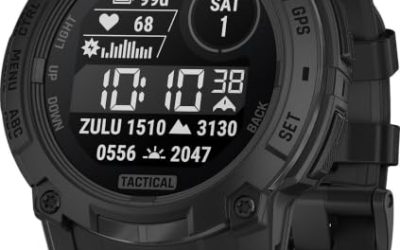
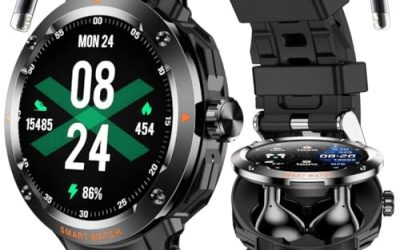
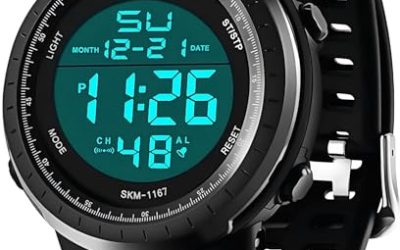
The word that matters in this keyword is GPS. A smartwatch that counts steps and shows notifications is easy to find, but one with its own satellite receiver can map a run, log a hike and record a bike route without a phone riding along in your pocket. That changes what you should compare: positioning hardware, battery life while tracking, screen visibility outdoors and how rugged the case is, in addition to the usual heart rate and sleep features.
This guide is for runners who want to leave the phone at home, hikers who need a compass and a long-lasting battery, and everyday users who simply want a watch that logs outdoor workouts accurately. The six picks mix well-known names with rugged budget models, and the recommendations rest only on what each listing title states. In 2026 the gap between premium and budget GPS watches is mostly about software polish, ecosystem fit and long-term support, not whether the receiver exists.
Our Top Picks


Top 3 picks at a glance
Quick Picks
As an Amazon Associate we earn from qualifying purchases at no extra cost to you.


| Product | Best for | Key spec from the title |
|---|---|---|
| Rugged 2.01 Inch GPS Watch (unbranded) | Outdoor use on a tight budget | 2.01 inch screen, compass, 10-day battery, 100+ sports |
| Garmin vivoactive 5 | Android and iPhone users who want a trusted sports platform | 42mm case, 24/7 health monitoring, Body Battery energy metric |
| Hrevzon GPS Smartwatch | Everyday fitness with calls | GPS, Bluetooth calls, 170+ exercise modes |
| KOSPET Pulse 2 | Rough terrain and long trips | 1.96 inch AMOLED, 5 ATM/IP69, 15-day battery, flashlight |
| Military GPS Watch (unbranded) | Budget calling watch with GPS | Built-in GPS, Bluetooth calling, 100 sport modes, 2.02 inch screen |
| Apple Watch SE 3 GPS | iPhone owners | 40mm aluminum case, sleep and cycle tracking, safety features |
How to Choose
Confirm the GPS is built in
Many fitness watches rely on the paired phone for location, a feature usually called connected GPS. For a true standalone workout, the listing needs to say built-in GPS, and every pick here does. Beyond that, look for multi-band or multi-satellite support if you run among tall buildings or under tree cover, since the spec sheet will list those systems when they exist.
Battery life depends on how you track
Battery claims in titles, such as 10 days or 15 days, usually describe light daily use, not continuous GPS recording. Expect hours of continuous tracking to be a fraction of the headline number. For a weekend hike, a watch that lasts a week in normal use gives a comfortable cushion. For ultramarathons or multi-day treks, look for a clearly listed GPS-mode runtime.
Match the ecosystem and screen to your life
An Apple watch is built around an iPhone, while Garmin and most budget watches pair with both iPhone and Android. AMOLED screens, such as the 1.96 inch panel on the KOSPET, stay readable in sunlight better than dim LCDs, and a larger screen such as 2.0 inches helps with maps but adds weight. If you swim or paddle, check for a water rating like 5 ATM, which is the common threshold for pool use.
Where budget models cut corners
Low-cost GPS watches often skimp on companion app quality, data export, long-term software updates and the accuracy of heart rate sensors during intervals. Calling features are convenient, but the speaker and microphone are small. Screens also differ in brightness and touch response with gloves or wet fingers, which a spec table rarely captures. Do not buy for health features alone: if you rely on blood oxygen or sleep numbers, treat them as wellness estimates and not medical readings.
The 6 Best Options
Rugged 2.01 Inch GPS Smart Watch for Men
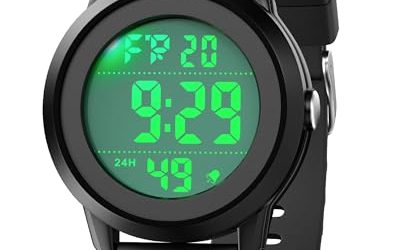
This unbranded military-style watch lists a 2.01 inch screen, a compass, calls, heart rate and sleep tracking, 100+ sports and a 10-day battery. It is the pick for someone who wants rugged looks and basic outdoor features without spending premium money on a known brand. The large screen should make route and compass data easier to read at a glance, which matters when you are checking a heading mid-hike.
- Strength: a compass and built-in GPS cover the navigation basics on trails.
- Strength: the 10-day battery claim promises a full week between charges in everyday use.
- Trade-off: no brand name means less certainty about support, updates and app quality.
Skip it if you want proven accuracy for race training, detailed recovery metrics or a long track record of firmware updates. Anyone who wants a polished companion app should also look at the established brands on this list first.
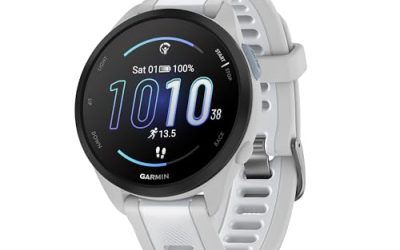
Garmin vivoactive 5
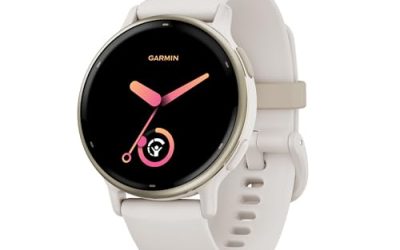
The 42mm Garmin vivoactive 5 comes up in Ivory and is described as a health and fitness GPS smartwatch. The title lists 24/7 health monitoring, built-in sports apps, a sleep coach and a Body Battery energy metric, a recognizable feature from the Garmin line. It is the most training-oriented choice here, aimed at people who care about recovery and not only route maps.
- Strength: the sleep coach and Body Battery metric add recovery context beyond raw step counts.
- Strength: built-in sports apps and GPS let you leave the phone behind on runs and rides.
- Trade-off: the smaller 42mm case suits slimmer wrists but offers a smaller display than the rugged models here.
Skip it if you want a flashlight, a military-style case or a very large screen, or if you need the cheapest GPS watch. The compact case also means less room for the rugged extras that the military-style watches pack in.
Hrevzon GPS Smartwatch for Men
The Hrevzon pairs GPS with heart rate, sleep monitoring, a pedometer, Bluetooth calls and notifications, and 170+ exercise modes. It sits in the middle of the pack as an all-around fitness tracker with a navigation chip. Buyers who want one watch for the gym, the commute and the occasional trail run will find the feature mix familiar and the list of activities generous.
- Strength: the long exercise-mode list covers niche activities beyond running and cycling.
- Strength: Bluetooth calls and notifications keep it useful when you are not working out.
- Trade-off: the title gives no battery or water rating, so check those before depending on it outdoors.
Skip it if long battery life or a rugged build is your priority, or if you want an established fitness platform with detailed training plans. Hikers who need a flashlight or an explicit waterproof rating should also look elsewhere in this guide.
KOSPET Pulse 2
The KOSPET Pulse 2 aims at rough use, with a 1.96 inch AMOLED screen, 5 ATM and IP69 waterproofing, a 15-day battery claim, GPS, an LED flashlight and 170+ sport modes. It is military-grade rugged according to the title, which makes it the toughest-sounding watch of the six and the one best suited to people who spend weekends off-grid.
- Strength: 5 ATM and IP69 ratings suit swimming, rain and dusty trails.
- Strength: the LED flashlight is a practical extra for camping and early-morning runs.
- Trade-off: a rugged case adds bulk, which can be uncomfortable on small wrists or during sleep tracking.
Skip it if you prefer a slim, dressy watch for the office, or if you have a small wrist and dislike chunky cases. Travelers who want a watch that blends in will also find the rugged styling hard to hide.
Military Smart Watch with Built-in GPS
This unbranded military-style model lists built-in GPS, Bluetooth calling, support for iPhone and Android, 100 sport modes and a 2.02 inch screen. It overlaps with the first rugged watch, but this one emphasizes calling and broad phone compatibility. For a household where one person uses iPhone and another uses Android, a model like this avoids the ecosystem lock-in of some brands.
- Strength: it works with both iPhone and Android, according to the title.
- Strength: Bluetooth calling lets you answer from the wrist during a walk or ride.
- Trade-off: no battery rating appears in the visible title, so runtime is unclear.
Skip it if you want a verified battery figure, a recognizable brand or a flashlight. Heavier users should also confirm the water rating, because it is not visible in the title.
Apple Watch SE 3 GPS 40mm
The Apple Watch SE 3 in a 40mm Starlight aluminum case comes with a Sand Sport Band in S/M. The title lists fitness, sleep and cycle tracking, heart rate, vitals and safety features, making it a polished all-rounder for iPhone owners. It is the lightest and most understated design in the group, with a smaller case that suits office wear as well as workouts.
- Strength: tight iPhone integration and a broad feature set covering fitness, sleep and safety.
- Strength: the compact 40mm case is comfortable on smaller wrists.
- Trade-off: it only works with an iPhone and the listing gives no multi-day battery claim.
Skip it if you use Android or want a multi-week battery for long expeditions. Outdoor users who want a compass or flashlight will find those missing from the title, too.
Which One Fits Your Situation
A trail runner who leaves the phone behind
The Garmin vivoactive 5 pairs built-in sports apps and GPS with recovery tools, which suits runners who care about training load. The KOSPET Pulse 2 is the alternative if you want a flashlight and a tougher case.
A weekend hiker or camper
The KOSPET Pulse 2 combines a 15-day battery claim, a 5 ATM rating and a flashlight. The rugged 2.01 inch model is a cheaper option with a compass.
An iPhone user who wants one watch for everything
The Apple Watch SE 3 GPS handles workouts, sleep, cycle tracking and safety features inside the iPhone ecosystem.
A shopper who wants GPS with calls on a budget
The Hrevzon GPS Smartwatch and the military-style model with Bluetooth calling both add calls to GPS tracking at a modest tier.
Common Mistakes
- Assuming every fitness watch includes its own GPS when some depend on the phone.
- Trusting the headline battery claim for continuous GPS recording.
- Buying an Apple watch for an Android phone, which will not pair.
- Choosing a large rugged case for a small wrist and then leaving it in a drawer.
- Treating blood oxygen or sleep scores as medical data.
Related guides
- What Is The Best Budget Most Responsive Gaming Mouse Wired
- Low Latency Gaming Headphones Usb-C 2.4 Ghz Wireless
- Mechanical Gaming Keyboards Competitive Pc Gaming
Frequently Asked Questions
Do I need GPS on a smartwatch?
Only if you want to track outdoor routes without carrying a phone. For gym workouts and step counting, a non-GPS fitness watch is enough and usually cheaper.
How long does the battery last with GPS on?
Much less than the headline figure. Listing claims like 10 or 15 days usually reflect light use, and continuous GPS recording typically drains the battery within hours, so check for a separate GPS-mode runtime.
Are budget GPS watches accurate?
They can log a route reasonably well in open areas, but accuracy and data quality vary more under tree cover and between tall buildings. Premium brands generally add better software and longer support.
Can I swim with a GPS smartwatch?
Look for a 5 ATM rating or higher, as on the KOSPET Pulse 2. Ratings like IP68 or IP67 cover splashes and brief immersion, not regular swimming.