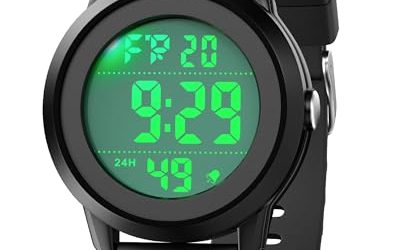
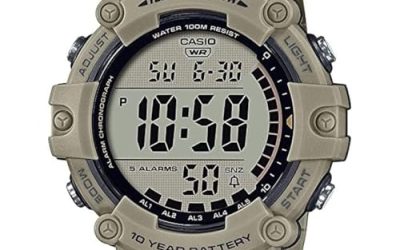
Running with a phone strapped to your arm gets old fast, and that is the moment most runners start comparing GPS watches. The real question behind the best GPS running watches is how much of a training companion you want on your wrist: a simple pace and distance logger, a coach that suggests daily workouts, or a full smartwatch that also counts sleep and handles calls. Each answer points to a different product and a different level of daily maintenance.
This guide is for new and returning runners choosing among eight listings, including familiar Garmin models, an Amazfit and two lesser-known brands. Two Garmin models appear twice under separate listings, which is worth knowing because it can look like a bigger field than it is. All comments below come from the product titles, so confirm specs, sizes and compatibility on the full listing before buying.
Our Top Picks


Top 3 picks at a glance
Quick Picks
As an Amazon Associate we earn from qualifying purchases at no extra cost to you.


| Product | Best for | Key spec from the title |
|---|---|---|
| Garmin Forerunner 55 (daily workouts listing) | Beginners wanting guidance | Daily suggested workouts, up to 2 weeks battery |
| Garmin Forerunner 165 (Black) | Serious recreational runners | 43mm, training and recovery features, built-in GPS |
| Hrevzon GPS Smartwatch | Budget buyers wanting a feature list | GPS, heart rate, sleep, Bluetooth calls, 170+ exercise modes |
| Garmin vivoactive 5 | All-day health tracking | 42mm, 24/7 health monitoring, sleep coach, Body Battery |
| Garmin Forerunner 165 (Whitestone) | Runners who prefer a light finish | 43mm, built-in GPS for distance, pace and speed |
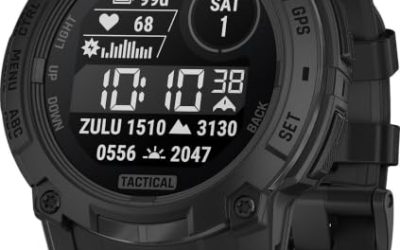
| Garmin Forerunner 55 (Black listing) | Simple GPS running | GPS running smartwatch |
| Amazfit Bip 6 | Big-screen, long-battery value | 1.97-inch AMOLED, GPS, 14-day battery, free maps |
| moutarlier GPS Running Watch | Pace and mileage basics | 5ATM waterproof, stopwatch, music control |
How to Choose
Start with the training features you will actually use
Basic GPS gives distance, pace and speed, which is all most casual runners need. Step up when you want structure: daily suggested workouts, training load, recovery guidance or a built-in coach tell you what to run, not just what you ran. If you run three times a week and follow a plan from a book or app, a straightforward watch is enough. If you want the watch to build the plan for you, look for titles that mention coaching or suggested workouts. Also consider whether you care about post-run analysis: some watches give only a summary of distance and pace, while others add recovery time and load guidance that helps you decide when to rest. Runners who train for a specific event usually benefit most from the second group.
Check battery life against your longest run
Quoted battery life is usually given for smartwatch mode, and GPS use drains faster. Titles here mention up to two weeks on the Garmin Forerunner 55 and 14 days on the Amazfit Bip 6, which are smartwatch-mode figures rather than continuous GPS runtimes. For marathon-length efforts or multi-hour hikes, find the manufacturer’s GPS-mode number on the product page. A watch that cannot outlast your longest run plus the drive home will frustrate you quickly. A simple rule is to want at least double the length of your longest planned effort in GPS mode, because cold weather, a bright display and constant notifications all shorten the real figure. Charging habits matter too: a watch that lasts days between charges is easier to keep in daily use than one that needs a cable every night.
Look at size, display and waterproof ratings
Watch sizes in these titles run from 42mm on the vivoactive 5 to 43mm on the Forerunner 165 and 46mm on the Amazfit Bip 6. Smaller cases suit slimmer wrists, while a 1.97-inch AMOLED screen is easier to read mid-stride. A 5ATM water rating, listed on the moutarlier watch, means the watch is built for pool or heavy rain use, which matters if you swim or run in wet climates. Always check whether the display stays readable in bright sunlight. Strap comfort deserves attention as well; a watch that chafes after five miles will end up in a drawer regardless of its feature list, so look for replaceable bands and a case that sits flat against the wrist.
Know where budget models cut corners
Lower-priced watches can make claims about dozens of sport modes and health features that are difficult to verify, and their companion apps may lack polish. Titles that list 170 or more exercise modes sound impressive, but you probably need only running, walking and cycling. Ignore mode counts, and instead check GPS accuracy reputation, app support and update history. Premium brands tend to invest more in satellite tracking and software reliability.
The 8 Best Options
Garmin Forerunner 55 (Daily Workouts Listing)
This listing highlights the Forerunner 55 as a GPS running watch with daily suggested workouts and up to two weeks of battery life. It is a sensible starting point for a newer runner who wants gentle guidance.
- Daily suggested workouts give direction without needing a separate plan.
- Up to two weeks of battery life reduces charging chores.
- Trade-off: the title mentions no smartwatch extras like calls or music.
Skip it if you want a bright AMOLED screen or premium training metrics. It suits first-time runners building a habit.
Garmin Forerunner 165 (Black)
The Forerunner 165 is the more training-focused Garmin here. The title lists a 43mm case, essential training and recovery features, and built-in GPS for distance, pace and speed.
- Training and recovery features help runners manage load.
- Built-in GPS covers the core metrics without a phone.
- Trade-off: it sits above entry-level options in the Garmin lineup, so the investment is larger.
Skip it if you only jog occasionally. It fits runners training for races.
Hrevzon GPS Smartwatch
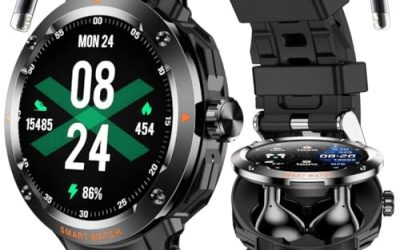
This listing leans on a long feature list: GPS, heart rate, sleep monitoring, a pedometer, Bluetooth calls and notifications, and 170-plus exercise modes. It is aimed at buyers who want a lot on paper at a budget-friendly tier.
- Combines GPS with call and notification functions.
- Huge mode count covers niche activities.
- Trade-off: the brand is unfamiliar, so app quality and long-term support are harder to judge.
Skip it if tracking precision and software polish are your priorities. It suits casual users who want an all-in-one feature set and who are comfortable accepting that a less established brand may offer thinner customer support.
Garmin vívoactive 5 (Ivory)
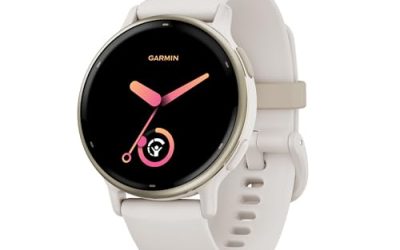
This one blurs the line between a running watch and an everyday health companion. The title lists 24/7 health monitoring, built-in sports apps, a sleep coach and a Body Battery energy meter in a 42mm case.
- Sleep coach and Body Battery add recovery context beyond running.
- Compact 42mm case suits smaller wrists.
- Trade-off: the title leans toward general wellness rather than running-specific coaching.
Skip it if you want race-focused training metrics. It suits people who run plus track daily health.
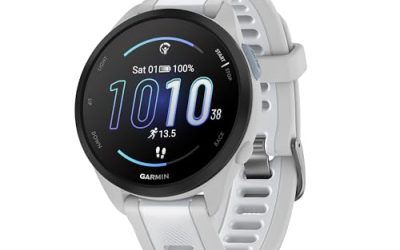
Garmin Forerunner 165 (Whitestone)
This is the same Forerunner 165 platform in a lighter Whitestone finish, so the title repeats the 43mm size, training and recovery features, and built-in GPS for distance, pace and speed. The choice is about color and strap.
- Same running-focused feature set as the black listing.
- Light finish stands out and suits warm-weather outfits.
- Trade-off: light bands show sweat and dirt faster.
Skip it if you prefer a stealthy look. Pick it for style, or when this listing happens to include the band or box contents you prefer. Remember that the training features are the same as the black version, so the decision is cosmetic rather than functional.
Garmin Forerunner 55 (Black Listing)
The second Forerunner 55 listing is shorter in its wording but describes the same product family: a GPS running smartwatch in black. It targets runners who want a trusted brand and the basic metrics.
- Recognizable brand and running-first design.
- Black finish pairs with most outfits.
- Trade-off: the title gives few feature details, so read the full description.
Skip it if you need a spec-rich title to compare features. It suits buyers who already know the Forerunner 55.
Amazfit Bip 6
The Bip 6 stands out for its 1.97-inch AMOLED display and 14-day battery claim. The title also lists GPS, iOS and Android compatibility, a 46mm case, Bluetooth call and text, water resistance, free maps and AI features.
- Large AMOLED screen is easy to read while moving.
- Works with both iOS and Android, plus free maps.
- Trade-off: the 46mm case may feel large on a small wrist.
Skip it if you want a compact watch or a Garmin-style training ecosystem. It suits value-focused runners.
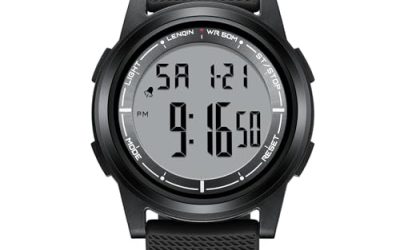
moutarlier GPS Running Watch
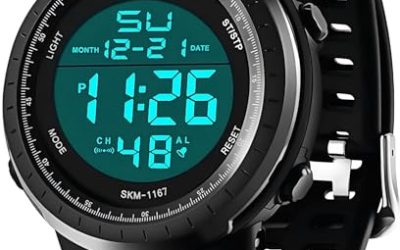
This listing sticks to the essentials: distance tracking with average pace, mileage, speed, a stopwatch, music control and 5ATM waterproofing. It is a no-frills option for runners who care about numbers.
- 5ATM waterproof rating handles rain and pool use.
- Music control adds convenience on the run.
- Trade-off: unfamiliar brand, with limited detail on app support.
Skip it if you want recovery tools or a polished app. It suits runners who only need pace and mileage and who plan to review their runs on a simple screen rather than in a detailed training app.
Which One Fits Your Situation
You are starting to run for the first time
The Garmin Forerunner 55 from the daily workouts listing is the gentlest entry. Suggested workouts and a long battery life reduce friction in the early weeks.
You are training for a half marathon in 2026
Go for the Garmin Forerunner 165. Training and recovery features help manage weekly mileage, and built-in GPS keeps the phone at home on long runs.
You want one watch for running, sleep and daily life
The Garmin vívoactive 5 fits that goal with its sleep coach and Body Battery meter, while still offering built-in sports apps for running.
You want a big screen without a premium tier
The Amazfit Bip 6 gives a 1.97-inch AMOLED display, GPS and a 14-day battery claim, which makes it an easy-to-read option for budget-conscious runners.
Common Mistakes
- Choosing a watch based on the number of sport modes rather than GPS reliability and app quality.
- Assuming the quoted battery life applies to continuous GPS use, when it usually describes smartwatch mode.
- Ignoring wrist size and buying a 46mm case for a very slim wrist.
- Buying two duplicate listings of the same model without comparing finishes and included bands.
- Skipping phone compatibility checks when the watch app needs a specific operating system.
Related guides
- What Is The Best Budget Most Responsive Gaming Mouse Wired
- Low Latency Gaming Headphones Usb-C 2.4 Ghz Wireless
- Mechanical Gaming Keyboards Competitive Pc Gaming
Frequently Asked Questions
Do I need a GPS watch if I run with my phone?
You can run with a phone, but a watch frees your hands and gives instant pace readouts. It also keeps tracking if your phone battery dies, which is the main reason runners upgrade.
Is heart rate tracking accurate on these watches?
Wrist-based sensors are generally good for steady runs but can lag during intervals. If accuracy matters, many runners pair a watch with a chest strap.
Are the duplicate Garmin listings different products?
They appear to be the same model family sold under separate listings, with differences in finish or title wording. Compare the included band and box contents before choosing one.
Which watch is best for trail running?
Titles here do not list trail-specific features such as topographic maps. The Amazfit Bip 6 mentions free maps, but check the product page for map detail before relying on it off-road.