A hardwired smoke detector is a different purchase from the plug-and-forget battery model you tape to a hallway ceiling. It draws household 120-volt power, keeps a backup battery for outages, and in most cases links to its neighbors so that a fire detected in the basement sounds the alarm in every bedroom. That interconnected behavior is the reason buyers choose wired units, and it is also the reason this decision is mostly about compatibility, wiring, and how many alarms your home actually needs.
This guide is for homeowners replacing aging ceiling alarms, landlords outfitting several units, and anyone finishing a renovation where wiring is already in the walls. Those jobs usually call for multi-packs, which is why several of the six options below come in bundles of three, six, or eight. Budget is a factor, but a smoke alarm is a safety device you rarely touch for ten years, so paying a little more for a clearer spec sheet, a known brand, or a compatible mounting plate is usually money well spent. Because a 2026 code inspection or an insurance review may ask for working interconnected alarms on every level, it pays to understand the specs before you order.
Our Top Picks
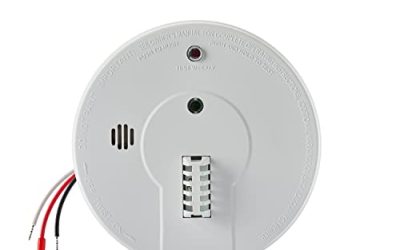
 First Alert BRK SMI100-AC Hardwired Smoke Detector withSM6W015.6 x 5.6 x 2.2 inches0.6 poundsCheck on Amazon
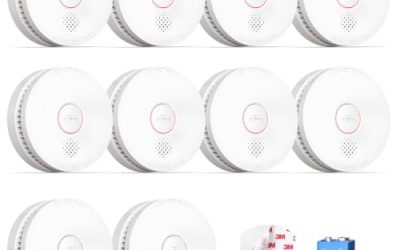
 Siterlink Hardwired Interconnected Smoke Detectorsr GS562A 8-Pack8 Pack5.67 x 5.67 x 1.5 inchesCheck on Amazon


Top 3 picks at a glance
Quick Picks
As an Amazon Associate we earn from qualifying purchases at no extra cost to you.


| Product | Best for | Key spec from the title |
|---|---|---|
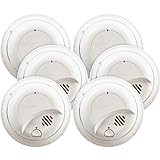
| First Alert BRK SMI100-AC 6-Pack | Replacing alarms across a mid-size house | Hardwired with battery backup, 6-pack |
| Siterlink GS562A 8-Pack | Large homes or multi-unit buildings | Photoelectric, interconnected, test/silence button, 8-pack |
| Siterlink Photoelectric (9V backup) | Smaller homes wanting a photoelectric sensor | Interconnected, 9V battery backup, test/silence |
| Siterwell Photoelectric Fire Alarm | Bedrooms and hallways prone to nuisance alarms | Photoelectric, 9V backup, interconnected |
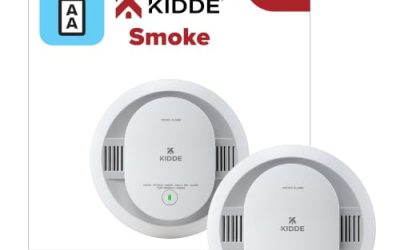
| Kidde 20SAR 3-Pack | Small homes and apartments | AA battery backup, wired interconnect, 85 dB alarm, LED status lights |
| Siterwell Photoelectric Smoke Alarm | Second option from the same brand | Photoelectric, 9V backup, test/silence button |
How to Choose
Count alarms by room, not by square footage
Fire-safety guidance commonly calls for an alarm inside every sleeping room, one outside each sleeping area, and at least one on every level, including the basement. A three-bedroom, two-story house therefore lands around seven or eight alarms, not three. Count first, then pick the pack size, because buying one short and mixing in another brand later causes the problems described below. A quick walk-through with a notepad, room by room and floor by floor, takes five minutes and prevents a second shopping trip. Hallways longer than about thirty feet and open stairwells deserve their own alarm, and so does any finished basement where someone sleeps.
Understand interconnect and brand matching
Interconnect means one alarm triggers all the others through a shared wire. That only works reliably when every unit on the circuit comes from the same compatible family. Mixing brands or models can leave some alarms silent. If your house already has wired alarms, look up the existing model and choose a compatible replacement or a full-house swap. Many hardwired models plug into a harness that matches the old mounting plate, but verify it before you pull anything from the ceiling.
Photoelectric sensing and a sensible battery backup
Smoke alarms use two main sensing methods, and the difference shapes how a unit behaves in a real house. Ionization sensors react quickly to fast, flaming fires, while photoelectric sensors respond earlier to slow, smoky ones, the kind that start in a couch or a wastebasket overnight. Since many fatal fires smolder before they flame, most buyers lean photoelectric for bedrooms and hallways.Photoelectric sensors are generally regarded as better at catching smoldering fires and tend to trigger less often from cooking steam than ionization types. Several listings below name photoelectric explicitly. Check the backup battery type too: some models use a 9V, others use AA cells. Either is fine, but buy enough spares for the whole set. A test/silence button is worth having because it lets you quiet a kitchen false alarm without removing the alarm from the ceiling.
What to ignore and where budget models cut corners
Skip marketing about smart apps unless you truly need them; none of the titles here claim them. Look for a recognized safety listing on the packaging, a printed manufacture date, and a replacement-by date, since alarms wear out after roughly a decade. Cheaper multi-packs sometimes thin out the instructions or ship without wiring pigtails, so confirm what is in the box. Loudness matters too: an 85 dB rating is the commonly cited figure at ten feet, so a unit that gives no sound rating at all deserves caution. Finally, check the mounting plate: a replacement whose base does not match the old one may need a new electrical box or an adapter plate, and that turns a ten-minute swap into an afternoon project.
The 6 Best Options
First Alert BRK SMI100-AC 6-Pack
This is the pick for homeowners who know the brand and want a straightforward set of six hardwired alarms with battery backup. The model number is specific enough to help you match replacements in an existing First Alert circuit, which is the situation where compatibility matters most.
- Strength: a six-pack covers most mid-size homes in one purchase and keeps every alarm identical, which simplifies the interconnect and future battery changes.
- Strength: the title states hardwired with battery backup, the two features that define this category.
- Trade-off: the title does not mention photoelectric sensing or a test/silence button, so confirm sensor type before buying.
Skip it if you specifically want a photoelectric-labeled alarm or need only one or two units.
Siterlink GS562A 8-Pack
An eight-pack suits large houses, duplexes, and small rental properties where every bedroom and corridor needs coverage. The title describes it as photoelectric, hardwired, and interconnected with a test/silence button, which is the combination most buyers want for a full-house replacement.
- Strength: eight units let you complete a larger home in one order, so every alarm comes from the same production run and the same compatible family.
- Strength: photoelectric sensing plus a silence button reduces nuisance-alarm frustration.
- Trade-off: it is a big commitment if you only need a few alarms, and unused units are hard to return.
Skip it if you have a small apartment or want a widely known legacy brand.
Siterlink Photoelectric (9V backup)
This Siterlink listing carries the same photoelectric, interconnected design but names a 9V battery backup and test/silence button. It fits buyers who want the brand but need a different pack size than the eight-pack, since the title does not restrict it to one quantity.
- Strength: photoelectric sensing and a 9V backup battery are stated clearly, so you know exactly which spare to keep in a drawer.
- Strength: the test/silence button helps with cooking-related false alarms.
- Trade-off: the title truncates its details, so verify the included count and wiring harness on the product page.
Skip it if you need exact compatibility with an existing First Alert or Kidde installation.
Siterwell Photoelectric Fire Alarm
Siterwell pitches this as a photoelectric fire alarm with a 9V backup, interconnected hardwired operation, and a test/silence button. It suits bedrooms and hallways where steam from a nearby bathroom or kitchen could otherwise cause constant false triggers.
- Strength: photoelectric sensing is named up front in the title.
- Strength: interconnected hardwired operation lets one alarm warn the entire house, including closed bedrooms on another floor.
- Trade-off: it comes from a less established brand than Kidde or First Alert, so check the safety listing on the packaging.
Skip it if you want AA backup batteries or an established legacy brand.
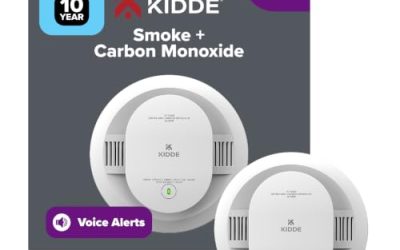
Kidde 20SAR 3-Pack
Kidde is the best-known name in this group, and the 20SAR comes as a three-pack with an AA battery backup instead of a 9V. The title lists wired interconnect capability, LED status lights, and a loud 85 dB alarm, which makes it a good fit for small homes, condos, and apartments.
- Strength: AA backup batteries are easy to find and replace, and many households already keep a pack of them on hand.
- Strength: LED status lights and an 85 dB alarm are both stated in the title.
- Trade-off: a three-pack falls short for larger houses, so you may need a second box.
Skip it if you need eight or more alarms or want a photoelectric label in the title.
Siterwell Photoelectric Smoke Alarm
The second Siterwell listing repeats the photoelectric, 9V backup, interconnected hardwired formula with a test/silence button. It makes sense as an alternate for buyers whose first Siterwell choice is unavailable, or who want to compare the two listings.
- Strength: photoelectric sensing and a 9V backup battery are listed.
- Strength: the test/silence button gives a simple way to hush a false alarm without climbing a ladder to pull the unit down.
- Trade-off: the near-identical titles of the two Siterwell listings make it easy to mix up pack sizes.
Skip it if you want a more established brand or AA backup power.
Which One Fits Your Situation
You are replacing alarms in a two-story house
The First Alert BRK SMI100-AC 6-Pack covers a typical house in one order. Pair it with a few spare batteries, and label the box with the install date so you know when the set reaches the end of its life. If your old alarms are also First Alert, the matching brand makes the swap simpler.
You manage a rental property or a large home
The Siterlink GS562A 8-Pack gives the quantity you need while keeping every alarm the same model, which protects the interconnect. For a landlord, identical units also mean one spare-battery type and one replacement schedule across every apartment, which keeps maintenance records tidy and makes annual inspections quicker.
You live in a condo or small apartment
The Kidde 20SAR 3-Pack is sized for fewer rooms, and the AA batteries are simple to swap. For a one-bedroom unit, three alarms usually cover the bedroom, the hallway, and the living area.
Your hallway alarm keeps going off while cooking
A photoelectric Siterwell or Siterlink model with a test/silence button helps tame nuisance alarms near a kitchen. Move the alarm a few feet from the stove or a steamy bathroom door if the code allows, and keep the silence feature for the occasional burnt toast rather than as a habit.
Common Mistakes
- Mixing alarm brands on one interconnected circuit and assuming they will all sound together.
- Buying too few units and skipping bedrooms, the basement, or the area outside sleeping rooms.
- Reusing a 10-year-old alarm because it still chirps normally, when the replacement date has passed.
- Installing without shutting off the circuit breaker first.
- Forgetting that a wired alarm still needs fresh backup batteries every year or two, and never pressing the test button to confirm that the whole interconnected chain sounds.
Related guides
- What Is The Best Budget Most Responsive Gaming Mouse Wired
- Low Latency Gaming Headphones Usb-C 2.4 Ghz Wireless
- Low Latency Gaming Headphones Usb-C Dongle 2.4 Ghz
Frequently Asked Questions
Do hardwired smoke detectors need batteries?
Yes. The battery is a backup that keeps the alarm working during a power outage. Replace it on a regular schedule and test the alarm monthly.
Can I install a hardwired alarm myself?
Many people can swap an existing unit by turning off the breaker and matching the wire connectors. If there is no wiring in place or you are unsure, hire a licensed electrician.
What does interconnected mean?
When one alarm detects smoke, every connected alarm sounds. This gives earlier warning in bedrooms far from the source of a fire, which matters most at night when a closed door can muffle a single alarm in a distant room.
How often should I replace them?
Alarms generally wear out after about ten years. Check the manufacture date printed on the back, and replace the whole set when it is due rather than swapping one unit at a time, so the circuit stays matched and the sensors age together.