Smoke detectors look interchangeable on a store shelf, yet the differences hide in a few quiet details: how the alarm is powered, how long its battery lasts, whether it uses a photoelectric sensor, and whether it also watches for carbon monoxide. Choosing well means picking the power type that suits your walls, buying enough units to cover every sleeping area, and putting a replacement date on the calendar, since every smoke alarm wears out whatever its box says about features.
This guide is for homeowners, renters, and landlords shopping for a first set of alarms or replacing an old set in 2026. Seven options are covered, including battery alarms from SITERWELL and First Alert, a ten-pack from X-Sense with a ten-year battery, a hardwired First Alert six-pack, and two combination models that add carbon monoxide detection. Pack size ranges from a single unit to ten, so your floor plan matters as much as brand choice.
Our Top Picks
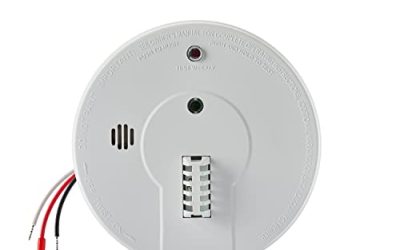
 First Alert BRK SMI100-AC Hardwired Smoke Detector withSM6W015.6 x 5.6 x 2.2 inches0.6 poundsCheck on Amazon

Top 3 picks at a glance
Quick Picks
As an Amazon Associate we earn from qualifying purchases at no extra cost to you.


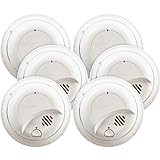


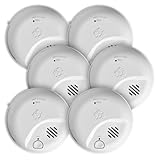
| Product | Best for | Key spec from the title |
|---|---|---|
| SITERWELL 10 Year Smoke Alarm | Low-maintenance battery use | 10-year product life, photoelectric sensor, low battery warning |
| First Alert SMI100 2-Pack | Small home or apartment | Battery smoke alarm, 2-pack |
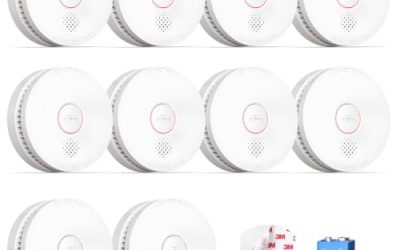
| X-Sense SD2J0AX 10-Pack | Large homes and rentals | 10-year battery, UL 217, photoelectric, one-button hush |
| First Alert BRK SMI100-AC 6-Pack | Hardwired replacement | Hardwired with battery backup, 6-pack |
| First Alert SMI100 1-Pack | Adding a single alarm | Battery smoke alarm, 1-pack |
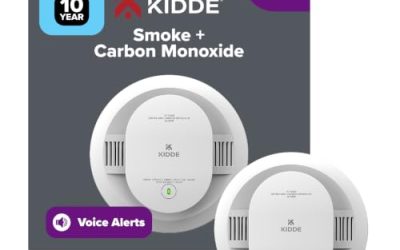
| X-Sense SC07 5-Pack Combo | Smoke plus CO coverage | 10-year sealed battery, 2-in-1 smoke and CO, LCD display |
| First Alert SMICO100-AC Combo | Hardwired smoke and CO | Hardwire combination alarm, 9V battery backup |
How to Choose
Pick the power source first
Battery alarms mount anywhere with two screws and suit renters, bedrooms, and finished spaces with no wiring. Hardwired alarms connect to the home’s electrical system and keep a backup battery for outages, which is typical in newer construction. A sealed ten-year battery removes yearly battery swaps but the whole alarm is replaced at end of life. Whichever you choose, test the alarm monthly and vacuum dust from the vents, because a dirty chamber causes false alarms.
Photoelectric sensing and nuisance alarms
Photoelectric sensors respond well to slow, smoldering fires and tend to cause fewer false alarms from toast and steam. Look for it in the title, along with a hush or silence button for kitchen-adjacent hallways. Ignore flashy extras; the first job is detecting smoke reliably and being loud enough to wake a sleeping household. A hush button is a feature worth having, because people who cannot silence a nuisance alarm sometimes pull the battery and forget to put it back.
Count alarms by room, not by budget
Common guidance calls for an alarm inside each bedroom, outside each sleeping area, and on every level of the house, basement included. A three-bedroom, two-story home often needs six or more. That is why larger packs like six and ten appear here; a single pack is for adding one missing alarm or replacing one failed unit. Walk the house with a floor plan and mark each required spot before you order, so the count on the shopping list matches the real layout.
Decide whether you want carbon monoxide too
Combination alarms detect both smoke and CO, which suits homes with gas appliances, a fireplace, or an attached garage. They cost more and the CO sensor may have its own lifespan. Where budget models cut corners is in labeling and instructions, so always write the install date on the alarm and note the replacement year. Keep the box or take a photo of the model number so you can buy the same type later without guessing.
The 7 Best Options
SITERWELL 10 Year Smoke Alarm
This battery-powered alarm lists a 10-year product life, a photoelectric sensor, and a low battery warning function for houses. It fits a household that wants a mount-and-forget alarm without yearly battery changes, in a lower cost tier than some name brands, and that is comfortable with a lesser-known maker whose title covers the basics clearly.
- Strength: a stated 10-year product life reduces maintenance.
- Strength: photoelectric sensing and a low battery warning are named.
- Trade-off: the pack size and certification are not clear from the title.
Skip it if you want a nationally known brand or a hardwired install. Because the listing does not name a safety certification in the title, look at the packaging or product page for the UL mark before relying on it as the only alarm in a bedroom.
First Alert SMI100 2-Pack
A battery smoke alarm two-pack from a familiar brand. It suits a small apartment or a modest house where two alarms cover a bedroom hallway and a living area, and where the buyer wants a straightforward, recognizable alarm instead of a feature-heavy kit. It is the sort of purchase that is quick to make and easy to install.
- Strength: a familiar brand in a small, manageable pack.
- Strength: battery operation allows easy mounting without wiring.
- Trade-off: the title gives no sensor type or battery life details.
Skip it if you need to cover a multi-level house or want a sealed long-life battery. Standard replaceable batteries mean a yearly changeover, so households that forget chores should pick one of the sealed ten-year designs further down this list.
X-Sense SD2J0AX 10-Pack
This ten-pack lists a 10-year battery, UL 217 certification, a photoelectric smoke alarm, fewer cooking nuisance alarms, and a one-button hush. It is built for large homes, multi-unit buildings, and landlords equipping many rooms at once, where a consistent model across every unit simplifies tracking installation dates and replacements.
- Strength: a ten-pack covers big homes or several apartments.
- Strength: UL 217, photoelectric sensing, and a hush button are all named.
- Trade-off: it is more units than a small home needs.
Skip it if you have only a couple of rooms to cover or want hardwired power. Buying ten units for a studio apartment wastes money and leaves spares in a drawer, so match the pack to your floor plan instead of chasing the lowest cost per alarm.
First Alert BRK SMI100-AC 6-Pack
A six-pack of hardwired smoke detectors with battery backup. It is aimed at homeowners replacing every alarm on an existing hardwired circuit, or equipping a larger house, where matching units and the same connection style keep the swap simple and keep the alarms working during a power outage.
- Strength: hardwired power with battery backup for outages.
- Strength: a six-pack covers many whole-house layouts.
- Trade-off: it needs compatible wiring, and the title gives no sensor details.
Skip it if your home has no existing hardwired alarms or you rent and cannot modify the ceiling. A landlord or electrician should handle any change to the circuit, and the breaker must be off before a unit is removed or connected.
First Alert SMI100 1-Pack
A single battery smoke alarm from the same line as the two-pack. It is the practical option for adding one missing alarm, such as in a new bedroom or a basement stair landing, or for replacing a single unit that has expired, without buying more than you need.
- Strength: a single unit for a targeted addition or replacement.
- Strength: the same familiar brand and battery design as the multi-pack.
- Trade-off: one alarm covers only one location.
Skip it if several alarms are due for replacement, since a multi-pack is more efficient. Old alarms installed together tend to expire together, so replacing only one while leaving a decade-old neighbor in place can give a false sense that the house has been brought up to date.
X-Sense SC07 5-Pack Combo
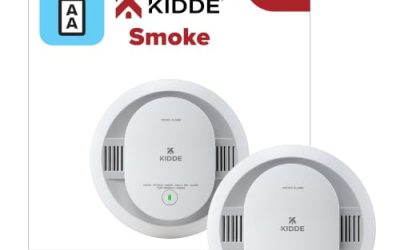
This five-pack combines smoke and carbon monoxide detection with a 10-year sealed battery, a not-hardwired design, and an LCD display. It suits homes with gas appliances or an attached garage, where one device on each level covers both hazards without wiring or separate CO alarms.
- Strength: 2-in-1 detection with a 10-year sealed battery.
- Strength: an LCD display shows status without guesswork.
- Trade-off: the title does not mention interconnect, so alarms may not link.
Skip it if you only want smoke detection or need interconnected alarms. A home with no fuel-burning appliances gains less from the CO half of the device, and a plain smoke alarm in the same cost tier may be the better use of money in that case.
First Alert SMICO100-AC Combo
A hardwired combination smoke and carbon monoxide alarm with 9V battery backup. It fits a home with existing hardwired smoke alarms where the owner wants to add CO coverage during a like-for-like swap, keeping the ceiling box and harness already in place. It is a tidy upgrade path for older houses that were built with smoke-only alarms and now have a gas furnace, a fireplace, or an attached garage.
- Strength: hardwired power plus a battery backup.
- Strength: smoke and CO protection in one unit.
- Trade-off: the 9V backup needs periodic replacement.
Skip it if you have no existing wiring or want a sealed long-life battery. Mounting a combination alarm that is mismatched to the existing harness is a common headache, so compare the old plug and mounting plate with the product photos first.
Which One Fits Your Situation
Renting an apartment with no wiring changes allowed
The First Alert SMI100 2-Pack mounts with screws and needs no electrical work, so a tenant can install it in minutes and take it along when moving to another apartment.
Equipping a large house or several rental units
The X-Sense SD2J0AX 10-Pack supplies a consistent set with a ten-year battery, which lets a landlord log one replacement year for the whole building and avoid yearly battery rounds.
Replacing an existing hardwired set
The First Alert BRK SMI100-AC 6-Pack keeps matching units on the same circuit.
Living with gas appliances
The X-Sense SC07 5-Pack Combo adds carbon monoxide detection to every level, which matters most near a furnace, a water heater, or a garage that shares a wall with living space.
Common Mistakes
- Buying one alarm and assuming it protects the whole house.
- Ignoring the replacement date, usually about ten years from manufacture.
- Removing a nuisance alarm’s battery instead of using the hush button.
- Placing alarms too close to a kitchen or bathroom.
- Mixing brands on a hardwired interconnect circuit.
Related guides
- What Is The Best Budget Most Responsive Gaming Mouse Wired
- Low Latency Gaming Headphones Usb-C 2.4 Ghz Wireless
- Low Latency Gaming Headphones Usb-C Dongle 2.4 Ghz
Frequently Asked Questions
Photoelectric or ionization: which should I buy?
Photoelectric sensors respond faster to smoldering fires and cause fewer cooking false alarms, which is why several listings mention them. Some households use dual-sensor units for broader coverage.
How often should I replace a smoke alarm?
Plan on about ten years from the manufacture date, which is printed on the back. Replace sooner if the alarm fails its monthly test.
Do sealed ten-year batteries need changing?
No, the battery lasts the life of the alarm, and the whole unit is replaced at the end. That removes yearly battery chores.
Where should smoke alarms go?
Place one in each bedroom, outside each sleeping area, and on every level. Mount them on the ceiling or high on a wall, away from kitchen steam and bathroom doors, and keep them clear of vents or fans that could blow smoke away from the sensor.