
As an Amazon Associate we earn from qualifying purchases at no extra cost to you.

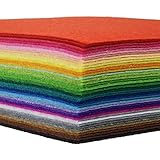


When you’re choosing between a felt and leather desk mat for office use, the real decision isn’t about which material is “better” — it’s about which one matches how you actually work. Are you someone who eats lunch at your desk and needs to wipe things down in five seconds? A felt mat will fight you. Do you type eight hours a day and want something soft under your wrists? A hard leather surface might feel cold by hour six. This comparison breaks down the trade-offs honestly, with real numbers, so you can spend your money once instead of twice.
Top 3 picks at a glance
Quick Verdict
If you want a warm, quiet, cushioned surface and you keep your desk fairly clean, choose felt. If you need a waterproof, wipe-clean barrier over a wood desk — or you want a classic executive look for video calls — choose leather (or quality PU leather, which performs nearly identically for less money). Felt mats typically run $15–$45 for a standard 31.5″ x 15.7″ size; leather mats run $25–$60 for comparable dimensions, with premium full-grain versions climbing past $100. For most home offices, leather’s stain resistance wins on pure practicality, but felt wins on comfort and noise reduction — and it protects delicate desk finishes better than any hard material.
Side by Side
| Factor | Felt Desk Mat | Leather Desk Mat |
|---|---|---|
| Comfort | Soft, slight cushion (typically 2–3mm thick); forgiving on wrists and forearms | Firm, smooth surface; comfortable but no give; can feel cold in winter |
| Durability | Good for 2–4 years; edges can fray and surface can pill with heavy mouse use | PU leather lasts 2–3 years before peeling; genuine leather lasts 5–10+ years and develops patina |
| Price range | $15–$45 for standard sizes | $25–$60 for PU; $80–$150+ for genuine leather |
| Maintenance | Spot-clean only; vacuum or lint-roll; absorbs liquids, so spills are a real problem | Wipe clean with a damp cloth in seconds; occasional leather conditioner for genuine hides |
| Space needed | Usually 31.5″ x 15.7″ or 35.4″ x 17.7″; adds roughly 0.1 lb to the desk | Common sizes 32″ x 16″ to 36″ x 17″; slightly heavier, around 1.5–2.5 lbs |
| Look | Soft, muted, Scandinavian-leaning; available in grays, navy, earth tones | Classic, executive, warm brown or black; photographs well on video calls |
| Noise | Dampens keyboard and mouse clicks noticeably | Reflects sound slightly; solid thud when you set things down |
| Desk protection | Excellent against scratches; poor against liquids | Excellent against both scratches and spills |
| Mouse tracking | Works well with optical mice | Works well, though very smooth PU can occasionally cause slight jitter |
| Best for | Quiet home offices, writers, delicate wood desks | Eaters-at-desk, gamers, anyone needing a wipeable work surface |
Where Felt Wins
Felt’s biggest advantage is the feel. A 2–3mm wool or wool-blend felt gives slightly under your wrists, which matters if you spend long stretches typing. Leather offers zero give, and over an eight-hour day some people genuinely notice the difference.
Felt is also the quiet winner. Keyboard and mouse clicks land with a muffled thump instead of a sharp tap — a real benefit in shared spaces, apartments with thin walls, or homes with a sleeping baby in the next room. If you record calls or podcasts, felt reduces desk noise bleeding into your mic.
Scratch protection is another felt strength. Because it’s soft and slightly fibrous, it will not mar a delicate lacquered or veneer desk finish the way a stiff leather edge can over time. It also stays put: felt’s natural grip keeps it from sliding around, while smooth-backed leather mats sometimes need a non-slip underlayer.
Finally, felt suits design-conscious setups. Muted grays, charcoal, and sage options blend into minimalist or Scandinavian-style rooms better than the glossy sheen of most PU leather.
The catch: felt absorbs. Coffee, soup, even greasy fingerprints will soak in and can leave permanent marks. If you eat at your desk, think hard before choosing felt.
Where Leather Desk Mat for Office Wins
Leather’s defining trait is wipeability. Spill coffee, drop a sauce-covered fork, knock over a pen of ink — a damp cloth handles all of it in seconds, and the surface underneath stays dry. For anyone who treats their desk as a dining table, this alone settles the debate.
Leather also holds up better against daily abuse. Keys, staplers, and dragging a monitor base across the surface leave no trace. A quality PU option like the Gallaway Leather Desk Mat (36″ x 17″, around $29.99) gives you a generous work zone and full spill protection at a mid-range price. If you prefer genuine leather, the Elizo Real Leather Desk Mat Set (32″ x 16″, about $39.97) comes in an antique finish that hides minor wear and ages into a patina rather than peeling.
Aesthetically, leather reads as “established.” If you’re on video calls all day, a dark brown leather mat frames a laptop and notebook in a way that photographs well and signals polish. It also works with nearly every décor style, from traditional to industrial.
One practical note: leather mats often include rounded corners and stitched edges, which resist curling better than cheaper felt mats whose corners can lift after a year.
Cost Over 5 Years
Here’s the math most buyers skip. A decent felt mat costs $15–$45 but typically needs replacing every 2–3 years due to pilling, fraying edges, and absorbed stains. Over five years, expect to buy two: roughly $30–$90 total.
A PU leather mat costs $25–$60 and lasts 2–3 years before the coating starts peeling at high-contact zones. Two replacements over five years: roughly $50–$120.
Genuine leather changes the equation. At $80–$150 upfront, it lasts five to ten years or more with basic conditioning (a $10 tin of conditioner every year or so). Over five years, your total is close to the purchase price — potentially $90–$160, but for a surface that looks better at year five than day one.
The counterintuitive takeaway: the cheapest option is often a mid-range PU leather mat, and the best long-term value is genuine leather if the upfront cost fits your budget. Felt costs more over time not because it’s expensive, but because it wears visibly.
Which One for Your Home
Small Apartment
Go felt. Apartment desks often double as dining surfaces or craft stations, and felt’s light weight (under half a pound for most mats) makes it easy to roll up and store in a drawer when you need the full desk. Its noise-dampening matters more when your “office” shares a wall with a neighbor’s bedroom. Budget around $20–$35 for a 31.5″ x 15.7″ mat. If spills are a genuine risk because your desk is also your kitchen table, compromise with an inexpensive PU leather mat instead.
Family with Kids or Pets
Leather, without hesitation. Juice boxes, marker caps, peanut butter fingers, and cat hair all wipe off a leather surface. Felt acts like a filter — it will hold onto every crumb, stain, and pet hair that touches it, and washing it usually warps the shape. A 36″ x 17″ PU mat in the $30–$45 range covers enough surface to protect the desk from craft projects and homework sessions alike. Dark brown hides scuffs better than black or tan.
Rental
Either works, but favor leather for one reason: you’re protecting a desk you don’t own. Rental furniture often has a thin veneer finish that water rings and scratches ruin permanently — and you’ll pay for it at move-out. A leather mat is an impermeable barrier against every hazard. It also moves with you and looks at home in the next place, whereas a felt mat’s frayed corners won’t survive two moves gracefully. Spend $30–$40 on a mid-size mat; it’s cheap insurance against a deduction from your deposit.
Long-Term Home
This is where genuine leather earns its price. If you’ve invested in a solid wood desk you plan to keep for a decade, a full-grain or top-grain leather mat in the $80–$150 range protects it and improves with age. Felt is a legitimate choice here too — if your desk holds a delicate antique or heirloom finish and you never eat nearby, felt is actually gentler on the surface. Just plan on replacing it every few years. Set a calendar reminder for 2026 to check whether your felt mat’s edges are fraying; catching wear early keeps fibers from shedding onto your floor.
FAQ
Do felt desk mats slide around?
Rarely. Felt’s fibrous backing grips most desk surfaces naturally, which is one of its underrated advantages. Leather mats with smooth backs can slide on glossy finishes; many quality versions solve this with a cork or non-slip backing, so check the product description.
Can a mouse track on both materials?
Yes. Modern optical and laser mice track fine on felt and leather alike. Very smooth, glossy PU leather occasionally causes minor jitter with some mice, but textured or matte leather surfaces have no issues. Neither material replaces a dedicated gaming mousepad for competitive play.
How do I clean a felt desk mat?
Vacuum it with a brush attachment, lint-roll it for hair and dust, and spot-clean stains with a barely damp cloth and mild soap. Never machine-wash or soak felt — it will warp and lose its stiffness. Blot spills immediately, because felt absorbs liquid fast.
Is genuine leather worth the extra cost over PU?
If you keep your desk setup for five or more years, yes. PU leather costs less upfront but peels within 2–3 years and can’t be repaired. Genuine leather lasts two to three times longer, develops character instead of damage, and can be reconditioned. If you tend to swap setups every year or two, PU leather is the smarter spend.


