As you go deeper into mechanical keyboards, you meet a tiny mod called switch films: thin gaskets that sit between the top and bottom halves of each switch housing. Enthusiasts swear they make a board sound and feel better, but filming every switch is tedious. This guide explains what switch films actually do, whether they quiet a keyboard, and if the effort is worth it for your setup.
As an Amazon Associate we earn from qualifying purchases at no extra cost to you.


Top 3 picks at a glance
What switch films do
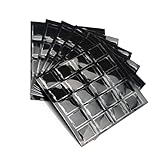
A mechanical switch is a plastic housing in two parts that snap together, and cheaper switches have a small amount of play between those halves. That looseness lets the housing wobble and rattle slightly on each press, adding a higher-pitched, hollow noise. A switch film is a thin foam or plastic gasket that fills the gap, tightening the housing so it does not wobble. The result is a more solid, consistent sound and feel.
Sound and feel changes
Films mainly deepen and tighten the sound rather than dramatically lowering volume. They remove the tinny housing rattle, making each keystroke sound fuller and more uniform. The feel becomes slightly more stable too. If you expect films alone to make a loud board quiet, you will be disappointed; they refine the sound more than they silence it.
| Aspect | Effect of switch films |
|---|---|
| Housing wobble | Reduced or eliminated |
| Sound pitch | Deeper, fuller |
| Overall volume | Slightly lower |
| Consistency | More uniform per key |
| Effort | High, per-switch work |
Is the effort worth it?
Filming requires opening each switch, placing the film, and reassembling, which takes a couple of hours for a full board and is easiest on a hot-swap keyboard where switches pop out. If you already enjoy tinkering and want the last few percent of sound refinement, films are a satisfying, cheap upgrade at a few cents per switch. If you just want a quieter board with minimal effort, case foam and O-rings give a bigger, faster payoff.
When films matter most
Films help most on switches with loose tolerances and on boards where you have already added foam and good keycaps, so the housing rattle becomes the remaining flaw to fix. On premium switches that are already tight, films add little. They are a fine-tuning mod, not a first step.
How to know if your switches need films
Before filming a whole board, test the idea on a handful of switches. Pull a few, film them, reinstall them next to unfilmed ones, then type across both groups and listen. If the filmed keys sound noticeably tighter and less hollow, the rest will benefit and the full job is worth doing. If you can barely hear a difference, your switches are already tight enough and your time is better spent on keycaps or a wrist rest. This quick comparison costs a few cents and saves you from committing to a tedious mod your particular switches may not reward.
Frequently asked questions
Do switch films make a keyboard quieter?
They lower the tinny housing rattle and deepen the sound, but they do not dramatically reduce overall volume. For real noise reduction, case foam and O-rings do more with less effort. Films are best thought of as a sound-refinement mod that makes each key sound fuller and more consistent, not a silencer.
Do I need films if I have good switches?
Probably not. High-quality switches often ship with tight tolerances and little housing wobble, so films add only a marginal change. Films give the most benefit on cheaper switches with loose housings. If your board already sounds solid, spend your time elsewhere.
Bottom line
Switch films tighten loose switch housings, deepening and unifying the sound rather than silencing the board. They are a cheap, satisfying fine-tuning mod best suited to tinkerers with a hot-swap board and looser switches, applied after foam and keycaps. If your goal is simply a quieter keyboard fast, case foam and O-rings deliver more for far less effort.