
Blue-light glasses, monitor filters, and software “night” modes are everywhere, all promising less eye strain and better sleep. For gamers who play late, the pitch is appealing. But the science is more nuanced than the marketing, and some of the benefit comes from things that cost nothing. Here is a grounded look at what blue-light reduction does and does not do.
As an Amazon Associate we earn from qualifying purchases at no extra cost to you.
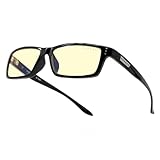


Top 3 picks at a glance
What blue light actually is
Blue light is the high-energy, short-wavelength part of the visible spectrum (roughly 400–490 nm). Screens emit it, but so does the sun in far greater quantity. The two claims made about screen blue light are that it causes eye strain and that evening exposure disrupts sleep by suppressing melatonin. The evidence is much stronger for the sleep claim than the eye-strain one.
Eye strain: the real cause
Most “digital eye strain” is not caused by blue light itself. It comes from staring at a fixed distance for hours without blinking enough, glare, low contrast, and a screen that is too bright for the room. The well-known 20-20-20 habit, look at something 20 feet away for 20 seconds every 20 minutes, addresses the actual mechanism far more than a filter does.
The options and what they cost
| Method | Cost | Best at |
|---|---|---|
| OS night mode (built-in) | Free | Warming color in the evening |
| Monitor low-blue-light mode | Free | Hardware-level warming |
| Blue-light glasses | $15–60 | Filtering regardless of screen |
| Bias lighting behind monitor | $15–40 | Reducing contrast strain in the dark |
Notice that two of the most effective options are free. Windows Night Light, macOS Night Shift, and the “low blue light” or “eye care” preset built into most gaming monitors all shift the color temperature warmer in the evening at no cost.
The sleep angle matters more for gamers
If you game close to bedtime, the sleep-disruption effect is the one worth taking seriously. Bright, blue-heavy light in the last hour or two before sleep can delay melatonin and make it harder to wind down. Warming your screen’s color temperature in the evening, dimming overall brightness, and adding bias lighting behind the monitor all reduce that stimulating effect. A warmer screen looks odd for competitive color-accurate play, so many gamers schedule the shift to kick in only late at night.
Should you buy blue-light glasses?
They do filter some blue light and some users genuinely find them comfortable, especially for very long sessions. But do not expect them to fix strain that is really caused by glare, brightness, or not blinking. Treat them as one small layer on top of good screen settings and viewing habits, not a cure.
FAQ
Do blue-light filters make my game look worse?
Warmer color modes add a yellow tint that can throw off color accuracy, which matters for competitive or creative work. That is why scheduling the shift for evening hours, or using lighter glasses instead of an aggressive screen filter, keeps daytime color intact while still cutting evening exposure.
What helps eye strain more than a blue-light filter?
Lowering brightness to match your room, adding bias lighting behind the screen, sitting an arm’s length away, and taking regular 20-second distance breaks. These target glare, contrast, and focus fatigue, which are the actual drivers of screen eye strain for most people.
Is bias lighting better than a blue-light filter for night play?
They solve different problems. Bias lighting behind the monitor reduces the harsh contrast between a bright screen and a dark room, easing eye fatigue. A blue-light filter or warm mode targets the sleep-disruption side. For late-night gaming, using both, warm screen plus soft bias light, tends to feel more comfortable than either alone.
Bottom line
Blue-light reduction is worth it mainly for late-night sessions, and the best versions are free: your monitor’s low-blue-light mode and your OS night setting. For sleep, warming and dimming the screen in the last hour before bed genuinely helps. For eye strain, fixing brightness, glare, and viewing habits does far more than any filter. Buy glasses if they feel comfortable, but do not expect a miracle.


