California has its own rulebook for residential smoke alarms, and it is stricter than the label on a typical box suggests. The state requires alarms that are listed by the Office of the State Fire Marshal, and for battery-only units it points toward a sealed, non-removable battery rated for ten years along with a hush feature that silences nuisance alarms. Hardwired alarms with a battery backup follow a different path. The practical effect is that a smoke detector sold nationwide can be perfectly legitimate and still not be the right choice for a California home, landlord, or inspection.
This guide is for California homeowners, landlords, and renters replacing alarms before a sale or a lease, and for anyone outside the state who wants to meet the strictest standard. We compare six distinct detectors for 2026 using only what each title states. The titles name the technology, battery type, and certification, but they do not always state the state listing, so read this as a shortlist to verify against the State Fire Marshal database rather than as a guarantee of compliance.
Our Top Picks
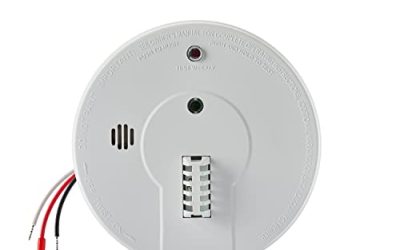
 First Alert BRK SMI100-AC Hardwired Smoke Detector withSM6W015.6 x 5.6 x 2.2 inches0.6 poundsCheck on Amazon


Top 3 picks at a glance
Quick Picks
As an Amazon Associate we earn from qualifying purchases at no extra cost to you.



| Product | Best for | Key spec from the title |
|---|---|---|
| SITERWELL 10 Pack Battery Detector | Whole-house or rental replacement | 10-year product life, photoelectric sensor, low battery warning |
| SITERWELL Hardwired Photoelectric | Interconnected hardwired homes | 9V backup battery, interconnected, test/silence button |
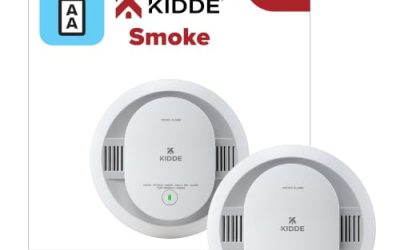
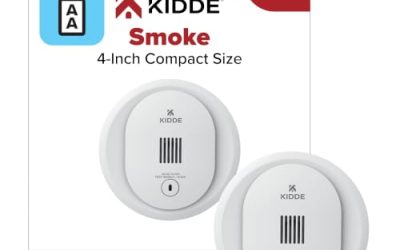
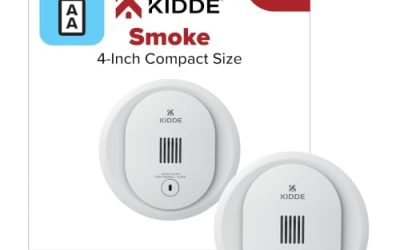
| Kidde Compact 10SDR | Small rooms and basic coverage | AA battery-powered, 4-inch, 85 dB alarm, LED status lights |
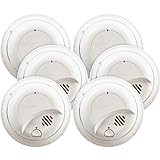
| First Alert BRK SMI100-AC 6-Pack | Large hardwired replacement | Hardwired with battery backup, 6-pack |
| Kidde Hardwired i12060 | Hardwired swap with easy battery access | Hardwired, front-load battery backup |
| X-Sense SD2J0AX 3-Pack | Sealed-battery bedrooms and hallways | 10-year battery, UL 217 certified, photoelectric, one-button hush |
How to Choose
Confirm the State Fire Marshal listing first
The single most important check is whether the model appears in the California State Fire Marshal’s list of approved alarms. Marketing words like “meets code” are not enough. Look for the model number in the title, such as SD2J0AX or SMI100-AC, then search the state database. If the product page, packaging, or manual lists the approval, you are in a good position. If not, keep looking. Inspectors and insurers tend to ask for the model number, so keep the packaging or a photo of the label in your records.
Understand the battery rule
California expects battery-only alarms to use a sealed battery with a ten-year life that cannot be removed, which is why a 10-year product life or 10-year battery claim matters. Alarms that run on replaceable AA or 9V cells are best kept for hardwired units where the battery is only a backup. A replaceable-battery stand-alone alarm may satisfy a general code elsewhere but is the first type to question in California. For a rental, a sealed unit also removes the temptation for a tenant to pull the battery after a nuisance alarm.
Pick the sensor technology that fits the room
Photoelectric sensors respond well to slow, smoldering fires and cause fewer nuisance alarms near kitchens. Ionization sensors react faster to flaming fires but are prone to false alarms. Many fire-safety groups favor photoelectric units for bedrooms and hallways, and the listings here lean that way. UL 217 is the standard to look for, because it governs smoke alarm performance. Products that name the standard in the title give you one more fact you can verify on the label.
Plan for placement, interconnection, and the hush feature
Alarms are expected in every bedroom, outside sleeping areas, and on every level. Interconnected alarms sound together so a fire in the garage still wakes the bedroom. A hush or silence button lets you quiet cooking smoke without removing the device. Budget alarms sometimes skip interconnection and have a basic test button, so check whether the listing names those features. Mounting height and distance from walls and corners also affect how quickly smoke reaches the sensor, so read the instructions before drilling.
The 6 Best Options
SITERWELL 10 Pack Battery Smoke Detector
A ten-pack of photoelectric alarms with a 10-year product life and a low battery warning function, written for houses and similar buildings. It suits landlords, property managers, and homeowners who need to cover many rooms at once with the same model. The 10-year life claim lines up with California’s expectation for battery-operated units, though you should still verify the state listing for the exact model. The pack size also helps with consistency, because matching units mean one replacement schedule and one test routine for the entire property.
- Strength: a bulk pack that covers a whole house or several rental units.
- Strength: photoelectric sensing with a 10-year product life and low battery warning.
- Trade-off: the title does not state a State Fire Marshal listing, so confirmation is on you.
Skip it if you want hardwired or interconnected alarms for new construction.
SITERWELL Hardwired Photoelectric Smoke Alarm
A hardwired alarm with a 9V backup battery, interconnection, a photoelectric sensor, and a test and silence button. It is the sensible choice for homeowners replacing older hardwired units who want alarms that sound together across the house. Interconnection is especially valuable in a larger or multi-story home, where a fire in the basement might not be heard on the top floor. Hardwired power with a battery backup is a different route to compliance than a sealed-battery alarm.
- Strength: hardwired with battery backup and interconnection for whole-home alerts.
- Strength: a silence button helps with nuisance alarms.
- Trade-off: installation involves wiring, so it may call for an electrician.
Skip it if you rent and cannot change the wiring, or if you do not want to hire help for the installation.
Kidde Compact Smoke Detector 10SDR
A 4-inch AA battery-powered alarm with LED status lights and an 85 dB horn, suited to homes and small spaces. It fits closets, studio apartments, and secondary spaces where a small footprint helps. Because it uses replaceable AA batteries, it is the model to scrutinize most under California’s battery rules. It could still make sense for a non-bedroom space where local rules allow it, such as a utility closet in a home that already has compliant primary alarms.
- Strength: a compact design with clear LED status lights.
- Strength: a loud 85 dB alarm from a familiar brand.
- Trade-off: replaceable AA batteries may fall short of California’s sealed-battery expectation for stand-alone units.
Skip it if you need a sealed 10-year battery.
First Alert BRK SMI100-AC 6-Pack
A six-pack of hardwired alarms with battery backup from a well-known fire safety brand. It suits owners of larger homes or landlords who want the same trusted unit in every room. The hardwired design means the alarms rely on household power, with the battery stepping in during outages. A matched set also keeps the look of the ceiling consistent, which landlords and sellers often like. Matching the same model across a home also makes future replacements easy, since every ceiling base and wiring harness will be identical.
- Strength: a six-pack for whole-house or multi-unit coverage.
- Strength: a hardwired design with battery backup.
- Trade-off: it needs wiring and a compatible mounting setup.
Skip it if you only need one or two alarms.
Kidde Hardwired Smoke Alarm i12060
A hardwired alarm with a front-load battery backup, which means you can change the backup battery without removing the unit from the ceiling. It suits homeowners who value easier maintenance and a recognized brand on their hardwired circuit. Easy battery access is useful for people who do not want to climb onto a ladder more often than needed or who manage several properties. Because the battery is only a backup, the alarm runs on household power day to day, which sidesteps the sealed-battery question that applies to stand-alone units.
- Strength: the front-load battery makes upkeep easier.
- Strength: a hardwired unit from a familiar safety brand.
- Trade-off: the title gives few details on sensor type, so confirm it before buying.
Skip it if you want a stand-alone alarm with no wiring.
X-Sense SD2J0AX 3-Pack
A three-pack of photoelectric alarms with a sealed 10-year battery, UL 217 certification, fewer cooking nuisance alarms, and a one-button hush. This is the most complete answer to California’s battery-only rule among the listings, and it suits bedrooms, hallways, and rentals. A three-pack covers a small apartment or the sleeping areas of a modest house, and the one-button hush keeps kitchen smoke from turning into a battery-removal habit. Make sure the model number on the box matches the one on the state list.
- Strength: sealed 10-year battery with UL 217 certification.
- Strength: a hush button and a design aimed at fewer cooking false alarms.
- Trade-off: stand-alone alarms do not interconnect unless the title says so.
Skip it if you need interconnected alarms, or if you want a single alarm that also detects carbon monoxide.
Which One Fits Your Situation
You are a landlord with several units
The SITERWELL 10 Pack gives bulk coverage with a 10-year product life, and the X-Sense 3-pack suits smaller buildings. Matching one model across the property keeps testing simple for staff or tenants.
You own a home with existing hardwired alarms
The First Alert BRK SMI100-AC 6-pack or the SITERWELL hardwired model replaces them in place, with the latter adding interconnection. Always confirm that the mounting plate and wiring harness are compatible with what is on your ceiling.
You need a sealed-battery alarm for a bedroom
The X-Sense SD2J0AX is the clearest match thanks to its 10-year battery and UL 217 certification. Place one outside each sleeping area and one inside each bedroom for the best coverage.
You need to cover a tiny space
The Kidde Compact 10SDR fits, but check its battery rules against your local requirements first. Do not treat it as your only alarm in a sleeping area.
Common Mistakes
- Assuming a nationwide model is automatically approved for California.
- Installing replaceable-battery stand-alone alarms where a sealed battery is expected.
- Mixing alarm brands on an interconnected circuit without checking compatibility.
- Placing alarms too close to a kitchen or shower and inviting false alarms.
- Forgetting to test and replace alarms on the manufacturer’s schedule, since a sensor past its service life can fail silently.
Related guides
- What Is The Best Budget Most Responsive Gaming Mouse Wired
- Low Latency Gaming Headphones Usb-C 2.4 Ghz Wireless
- Low Latency Gaming Headphones Usb-C Dongle 2.4 Ghz
Frequently Asked Questions
Where do I check if an alarm is approved in California?
The Office of the State Fire Marshal publishes a list of listed and approved smoke alarms. Search by manufacturer and model number, and save a screenshot of the entry with the purchase record. Landlords in particular benefit from that paper trail if a city inspector asks.
Do I need photoelectric alarms in California?
The rules focus on listing and battery type rather than sensor choice, but photoelectric units are widely favored for bedrooms and hallways because they respond well to smoldering fires.
Can I use hardwired alarms with a battery backup?
Yes, hardwired alarms with a battery backup are a standard approach, as long as the specific model is listed and installed to code. Wiring work is best left to a licensed electrician, and a permit may apply when you add new circuits rather than swapping units on an existing one.
How often should I replace smoke alarms?
Most manufacturers say about every ten years. Test monthly and replace the unit sooner if it fails a test or shows an end-of-life signal. Write the install date on the back of each alarm so nobody has to guess later.