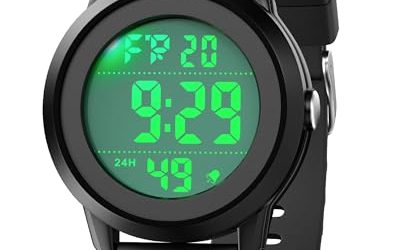
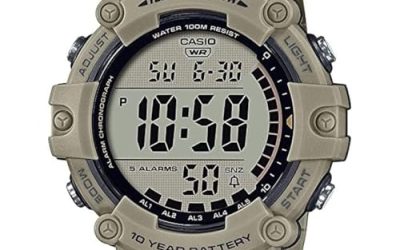
“Heart rate monitor watch” can mean two very different purchases. One is a wrist tracker that reads your pulse with optical sensors all day and night. The other is a sports watch paired with a chest strap that reads your heartbeat electrically during exercise. Which one you need depends on what you plan to do with the numbers: casual awareness of resting pulse and sleep, or accurate zone training during intervals, hill repeats and long runs.
This guide is for first-time fitness tracker buyers, people returning to exercise who want to see their pulse climb, and athletes comparing a strap-based watch with a wrist-based one. The six picks below include 24/7 wrist trackers with blood oxygen and blood pressure readouts, a no-app watch that works without a phone, and a chest strap kit. In 2026 the real differences are sensor type, waterproofing and how much software you need to put up with, so every pick is judged only on what its listing title says.
Our Top Picks



Top 3 picks at a glance
Quick Picks
As an Amazon Associate we earn from qualifying purchases at no extra cost to you.
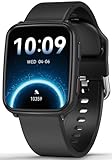


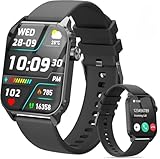
| Product | Best for | Key spec from the title |
|---|---|---|
| Zeacool Fitness Tracker | Swimmers and rain-day runners | 24/7 heart rate, blood oxygen, blood pressure, 5 ATM waterproof |
| MorePro Fitness Tracker | All-day wellness monitoring | 24/7 heart rate and blood pressure, blood oxygen, IP68 |
| No-App Fitness Tracker Watch | Privacy-minded and low-tech users | Heart rate, pedometer, sleep monitor, no app or phone required |
| EZON Chest Strap and Digital Watch | Training in heart rate zones | Chest strap HRM, 5ATM, stopwatch, hourly chime |
| 120-Mode Fitness Smart Watch | Variety of workouts | 24/7 heart rate, blood oxygen, blood pressure, 120 sports modes |
| 1.83 Inch Smartwatch | Phone-connected daily wear | 1.83 inch screen, 120 workout modes, Bluetooth calls, IP67 |
How to Choose
Wrist sensor or chest strap
Optical wrist sensors are comfortable and fine for resting pulse, steady walks and sleep. They can lag or misread during fast intervals, cold weather or arm-heavy workouts. A chest strap picks up the electrical signal from the heart and responds faster, so choose a strap-based watch if you train in heart rate zones. Wrist trackers win on convenience, since you wear them all day without thinking about them. Whichever you pick, snug but not tight placement about a finger width above the wrist bone gives the cleanest readings.
Water resistance in plain terms
5 ATM means the watch is rated for pressure equal to about 50 meters of depth, which generally covers pool swimming. IP67 and IP68 cover splashes and brief immersion, and they are fine for sweat, rain and handwashing but not for regular laps. If you swim, look for 5 ATM on the spec sheet and confirm the strap or band is part of the rating.
Treat blood pressure and blood oxygen as estimates
Several titles advertise blood pressure and blood oxygen readings from a wrist band. Those numbers are wellness estimates and are not a substitute for a medical cuff or fingertip oximeter. Use them for trends over weeks, not for single-reading decisions, and talk to a doctor about any concern. Prioritize reliable heart rate, steady sleep tracking and comfortable straps over a long list of exotic sensors. A tracker you actually wear every night will teach you more than a feature-packed one that sits on the charger.
What to ignore, and where budget models cut corners
A long sports-mode list such as 120 modes sounds impressive, but most people use five or six. Check instead for battery life, screen visibility in sunlight, how easily the band swaps, and whether the companion app is required. Low-cost trackers often have clunky apps, weak data export and thin documentation, and some leave the screen too dim for outdoor use.
The 6 Best Options
Zeacool Fitness Tracker with 24/7 Heart Rate
The Zeacool lists 24/7 heart rate, blood oxygen, blood pressure and sleep monitoring, plus step and calorie counting and a 5 ATM waterproof rating. It is the water-ready pick for someone who wants all-day tracking and plans to swim or train in rain.
- Strength: the 5 ATM rating is the strongest water resistance among the wrist trackers here.
- Strength: continuous heart rate, oxygen and sleep tracking cover the basics of daily wellness.
- Trade-off: the optical sensor and estimated blood pressure readings are not medical-grade.
Skip it if you need chest-strap accuracy for interval training or detailed maps and GPS, since neither appears in the title. Buyers who want calls and notifications should look at the smartwatch options below. People with very small wrists should also check the band length before relying on any all-day sensor.
MorePro Fitness Tracker with Blood Pressure Monitor
MorePro describes this model as a fitness tracker with 24/7 heart rate and blood pressure monitoring, blood oxygen and sleep tracking, a smart watch layout, step and calorie counting and an IP68 rating. It targets users who want a feature-rich band for daily wear without paying for a premium brand.
- Strength: the 24/7 monitoring suite covers pulse, oxygen and sleep in one device.
- Strength: IP68 protection handles sweat, rain and splashes during everyday workouts.
- Trade-off: IP68 is not a swimming rating, so laps in the pool are off the table.
Skip it if you swim regularly or want a minimalist tracker without pressure and oxygen readouts you may not use. Anyone who wants strict accuracy for medical purposes should rely on proper clinical devices. Swimmers should also note that the title does not offer a swim-grade rating, and the visible text gives no battery figure either.
Fitness Tracker Watch with Heart Rate, No App Required
This one is built for people who dislike pairing and notifications. The title promises that no app and no phone are required, and it lists a heart rate monitor, pedometer, step counter, sleep monitor, alarm clock and stopwatch.
- Strength: it works on its own, with no account, app or phone, which suits privacy-minded users, kids and older relatives who dislike setup.
- Strength: alarm clock, stopwatch and sleep monitoring bring a lot of basic watch functions.
- Trade-off: with no app, long-term trends and data export are likely limited.
Skip it if you want phone notifications, workout history in an app or detailed training analysis. It is the simplest option here and the least connected. Shoppers who like to review weekly charts or sync a workout history should treat the missing app as a deal breaker.
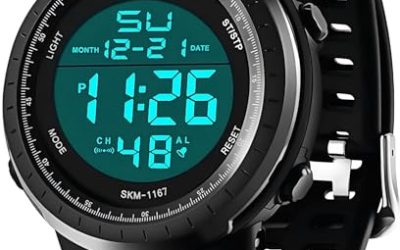
EZON Heart Rate Monitor Chest Strap and Digital Watch
The EZON kit pairs a digital sports watch with a chest strap heart rate monitor. The title also lists a 5ATM waterproof rating, calories burned, a stopwatch and an hourly chime, aiming at people who train by heart rate zones instead of by notifications.
- Strength: the chest strap reads heart rate directly, which usually tracks intervals more closely than wrist sensors.
- Strength: the 5ATM rating suits swimming and sweaty workouts.
- Trade-off: a strap is one more piece of gear to wear, wash and keep charged or battery-fresh.
Skip it if you want sleep tracking, blood oxygen or smartwatch features from the title, which it does not list. It is a training tool, not an all-day wellness band. Anyone who wants a single device for sleep, steps and notifications will need to pair it with something else.
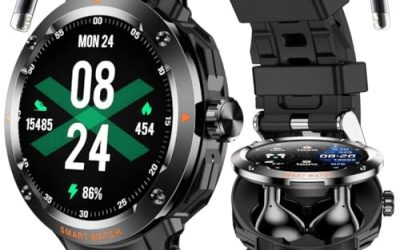
Fitness Smart Watch with 120 Sports Modes
This unbranded tracker offers 24/7 heart rate, blood oxygen, blood pressure and sleep monitoring, plus 120 sports modes and a step and calorie counter. It is a middle-of-the-road all-rounder when you want broad sensor coverage on a modest budget, and the long mode list helps if you rotate between gym classes, rides and sports.
- Strength: the sports-mode list lets you log yoga, cycling, basketball and other activities separately.
- Strength: the sensor lineup mirrors pricier trackers in the same category.
- Trade-off: the unbranded listing gives no waterproof rating or battery figure in the title.
Skip it if you want a known brand, clear water resistance or reliable long-term software support. Because the title lists several health sensors at once, expect to verify the readings against a known device before trusting them.
1.83 Inch Smartwatch with 120 Workout Modes
A 1.83 inch screen leads this listing, along with 120 workout modes, Bluetooth calls, an alarm clock, IP67 water resistance, heart rate and sleep tracking. It is the most smartwatch-like option on the list and the one most likely to replace a basic watch.
- Strength: the large screen is easier to read mid-workout than the smaller band displays, especially when you glance at it while moving.
- Strength: Bluetooth calling means you can answer a call without grabbing your phone.
- Trade-off: IP67 is a lower water rating than 5 ATM, so avoid swimming with it.
Skip it if you want blood oxygen or blood pressure readouts from the title, or a chest-strap level of accuracy. Its Bluetooth calling also depends on a paired phone, so it is less useful for people who run without one.
Which One Fits Your Situation
A swimmer or triathlete in training
The Zeacool Fitness Tracker has the 5 ATM rating you need in the pool. If heart rate zones matter more, the EZON Chest Strap and Digital Watch is the better training tool.
A beginner who wants all-day wellness data
The MorePro Fitness Tracker bundles pulse, oxygen, blood pressure and sleep in one band. Treat the numbers as trends.
Someone who does not want an app
The No-App Fitness Tracker Watch works on its own, which suits anyone wary of accounts and notifications.
A user who also wants calls on the wrist
The 1.83 Inch Smartwatch adds Bluetooth calling and a bigger screen, with IP67 water resistance for daily wear.
Common Mistakes
- Expecting a wrist sensor to match a chest strap during fast intervals.
- Reading estimated blood pressure as a medical measurement.
- Swimming with an IP67 or IP68 watch that is not rated for it.
- Buying for the sports-mode count instead of battery life and comfort.
- Skipping a band-fit check: a loose strap causes noisy heart rate data.
Related guides
- What Is The Best Budget Most Responsive Gaming Mouse Wired
- Low Latency Gaming Headphones Usb-C 2.4 Ghz Wireless
- Mechanical Gaming Keyboards Competitive Pc Gaming
Frequently Asked Questions
Are wrist heart rate monitors accurate?
They are good for resting pulse, walks and sleep, and weaker during sudden effort changes. A chest strap is the more accurate option for intervals.
Do I need blood pressure on my watch?
No. These readings are estimates, so use them for trends only, and rely on a proper cuff for real measurements. If a reading ever worries you, repeat it with a validated device and speak with a doctor.
What does 5 ATM mean?
It is a pressure rating equal to about 50 meters of depth, which generally covers swimming in a pool. IP67 and IP68 do not carry the same promise.
Which is better, a fitness tracker or a smartwatch?
A tracker is lighter and simpler, while a smartwatch adds a bigger screen, calls and apps. Pick based on whether you value comfort or connectivity, and remember that a larger screen usually means a shorter battery life between charges.