
Top 3 picks at a glance

Best Outdoor Wall Planters for Small-Space Gardens
The best outdoor wall planters for a small patio, balcony, or fence are lightweight, UV-resistant containers with drainage you can manage and mounting hardware suited to the wall—not simply the largest planters that fit. For most setups, choose a plastic or fabric system for herbs and shallow-rooted flowers, and reserve heavier metal or wood planters for solid masonry or properly supported framing.
Choose by wall, plant, and sun—not appearance alone
A wall planter turns unused vertical space into growing room, but every pocket or box adds weight, water exposure, and maintenance. Before buying, check these four things:
As an Amazon Associate we earn from qualifying purchases at no extra cost to you.


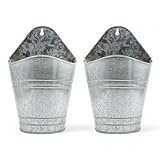
- Mounting surface: Brick, concrete, wood framing, and a thin balcony railing need different fasteners. Siding and fence boards may not safely support a waterlogged planter on their own.
- Plant depth: Small pockets suit herbs and succulents; they are a poor match for deep-rooted vegetables or plants that need consistently moist soil.
- Drainage route: Water must be able to escape without staining a wall, dripping on neighbors, or pooling on a balcony.
- Sun exposure: A sunny wall can heat and dry a container faster than a ground-level bed. South- and west-facing walls are especially demanding in hot climates.
Material comparison: what works outdoors
| Material or format | Typical empty weight | Best use | Main trade-off |
|---|---|---|---|
| UV-stabilized plastic pockets or modular panels | About 1–5 lb per small panel | Herbs, annual flowers, and lightweight balcony displays | Check for UV resistance; thin plastic can become brittle or fade. |
| Fabric pockets | Usually under 2 lb for a small panel | Lightweight installations and plants that tolerate quick drainage | Dry rapidly in sun and wind; need a waterproof backing or a planned drip path. |
| Powder-coated metal troughs | About 3–10 lb, depending on size and gauge | Shallow-rooted plants on sturdy walls or structural rails | Can heat in direct sun; coating damage may expose metal to rust. |
| Wood boxes | About 5–15 lb before soil, depending on dimensions and lumber | Deeper planting on a strong fence or framed wall | Heavier when wet and needs rot-resistant construction and a liner that does not block drainage. |
| Terracotta or ceramic pots | Often 2–8 lb each before filling | Individual accent pots on masonry with appropriate brackets | Brittle, heavy, and vulnerable to freezing; avoid mounting several on weak fencing. |
These weights are useful planning ranges, not product specifications. Dimensions, wall thickness, and fittings vary, so check the actual item before installation. Also distinguish a planter’s weight from the capacity of its bracket: the wall, anchors, fasteners, and planter must all carry the filled load.
Calculate the filled weight before drilling
Soil is usually the part shoppers underestimate. A simple planning estimate is:
Filled weight = empty planter + growing medium + retained water + plants and hardware.
For a rough estimate, moist container mix can weigh around 20–30 lb per cubic foot, while saturated mix may weigh more. Consider this example: a box measuring 24 × 6 × 6 inches holds about 0.5 cubic foot of growing medium. At 25 lb per cubic foot, that is roughly 12.5 lb of medium. Add a 5 lb box, 2 lb for plants and fittings, and a 25% allowance for extra water or uncertainty: (12.5 + 5 + 2) × 1.25 = about 24 lb.
That is an estimate, not a safe-working-load rating. Use the manufacturer’s load guidance, secure the planter into structural material, and allow a margin. For brick or concrete, select anchors rated for the substrate and installation. For wood, fasten into studs or sound structural members rather than relying on a thin facing board. If you cannot identify what is behind the surface, choose a freestanding option or ask a qualified installer.
Match planting depth to the plants
| Usable soil depth | Good candidates | Less suitable |
|---|---|---|
| 3–4 inches | Small succulents, creeping thyme, compact annuals | Large herbs, tomatoes, and plants that dislike drying out |
| 5–7 inches | Leaf lettuce, strawberries, compact herbs, many flowers | Full-size vegetables and deep-rooted perennials |
| 8–12 inches | Most culinary herbs, compact peppers, larger flowers | Large crops unless the planter also provides enough width and volume |
Depth alone does not guarantee success. A narrow pocket may hold enough soil vertically but too little volume to buffer heat and missed watering. Check the mature size of each plant, and leave room for roots rather than packing pockets tightly at installation.
Pick a mounting method that fits the surface
- Rail hooks or clamps: Convenient for balcony railings and renter-friendly where permitted. Confirm the rail shape and thickness, use a locking attachment, and check that the load will not shift in wind. Never hang a heavy planter on a railing the building rules prohibit modifying or loading.
- Screws into studs or fence posts: A strong choice for wood when fasteners reach framing. A long planter spanning only fence pickets can loosen as the wood moves or gets wet.
- Masonry anchors: Suitable for brick or concrete when the anchor type, drill method, and hole placement match the material. Avoid assuming a screw driven into a mortar joint will support a loaded box.
- Freestanding trellis or rack: Best when the wall is fragile, rented, or difficult to inspect. It takes floor space but avoids putting concentrated loads on siding or balcony finishes.
Use corrosion-resistant outdoor fasteners, keep holes clear of hidden utilities, and follow the planter and anchor manufacturers’ instructions. A filled planter pulls outward from the wall; wind and movement can add further stress. Mounting several small containers can distribute weight more practically than one long, heavy box.
Drainage and sun: prevent the common failures
Choose a planter with open drainage holes or a drainage design you can inspect. A sealed decorative pocket may trap water around roots; adding a thin layer of gravel does not replace drainage holes. If water cannot drip freely, use a removable inner pot or a catch tray that you empty after watering. Keep the outlet clear and direct runoff away from the wall, doors, and people below.
For a hot, exposed wall, favor light-colored containers, larger soil volumes, and plants suited to the actual hours of direct sun. Dark metal and small fabric pockets can heat or dry quickly. In shade, avoid assuming that a vertical position supplies enough light: leafy greens may manage with less sun than fruiting plants, which generally need more direct light. Observe the location through the day before choosing plants, because reflected heat from paving or glass can make a shaded-looking spot surprisingly hot.
Quick decision matrix
| Your situation | Practical choice | Check before buying |
|---|---|---|
| Balcony rail, limited load capacity | Small UV-stable plastic planters or lightweight fabric pockets | Rail compatibility, secure locking, filled weight, and drip control |
| Sunny fence with posts or framing | Several shallow plastic or coated-metal boxes | Fasten into posts; plan for frequent watering and heat-tolerant plants |
| Brick or concrete patio wall | Bracket-mounted individual pots or a supported trough | Correct masonry anchors, water staining, and total loaded weight |
| Rented space or uncertain wall construction | Freestanding trellis or rack with removable pots | Footprint, tipping resistance, and permission for any rail attachment |
| Deeper-rooted herbs or compact vegetables | Box with roughly 8–12 inches of usable depth | Soil volume, support capacity, and adequate daily light |
What to prioritize when shopping
For most small-space gardens, start with the mounting surface and estimated filled weight, then choose plant depth and drainage. Pick a material for the exposure: UV-resistant plastic or a deeper box is often easier to manage than a row of tiny fabric pockets in full sun. Finally, check that the planter can be removed or watered without soaking the wall. The best choice is the lightest system that gives your plants enough root room and can be securely supported in your specific patio, balcony, or fence setup.
Frequently asked questions
How often will I need to water a wall planter?
Wall planters may need frequent watering, especially when they are small, fabric, or exposed to sun and wind. Fabric pockets dry rapidly, and sunny walls can heat and dry containers faster than ground-level beds. Check moisture regularly, choose plants suited to the location, and consider larger soil volumes for hot, exposed walls.
Can I install a wall planter on siding or fence pickets?
Do not assume siding or fence pickets can safely support a filled planter. For wood, fasten screws into studs, fence posts, or other sound structural members rather than relying on a thin facing board. If the surface or structure behind it cannot be identified, use a freestanding trellis or rack or ask a qualified installer.
What should I do if water from the planter could stain the wall?
Direct drainage away from the wall, doors, and people below. Choose open drainage holes or a design you can inspect, and keep the outlet clear. If water cannot drip freely, use a removable inner pot or a catch tray that you empty after watering. A layer of gravel does not replace drainage holes.
Are wall planters suitable for winter conditions?
Terracotta and ceramic planters are vulnerable to freezing, so they require particular caution in locations with freezing conditions. They are also brittle and heavy before filling. Wood needs rot-resistant construction, while coated metal can rust if coating damage exposes the metal. Check the material and local exposure before leaving a planter outdoors.
How can I tell whether a plant will fit in a wall planter?
Compare the planter’s usable soil depth and volume with the plant’s mature size. Depths of 3–4 inches suit small succulents and compact annuals, while 5–7 inches can suit leaf lettuce, strawberries, compact herbs, and many flowers. Deeper-rooted herbs or compact vegetables may need roughly 8–12 inches, plus adequate width and light.


