
The best counter-depth refrigerators in 2026 are the LG LFXC22526S for most buyers, the GE Profile PVD28BYNFS for maximum interior capacity, and the Samsung Bespoke RF23BB8900-series for flexible temperature zones — because true counter-depth depth (24–25 inches of box, ~27–28.5 inches with doors and handles) costs you roughly 4–6 cubic feet versus a standard fridge, so picking the right one is about recovering that lost space intelligently rather than just matching your cabinets.
As an Amazon Associate we earn from qualifying purchases at no extra cost to you.
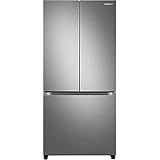

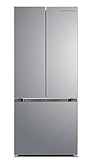

Top 3 picks at a glance
What “Counter-Depth” Actually Costs You — Do the Math First
A standard-depth French door refrigerator runs about 30–36 inches deep and typically offers 25–29 cu ft of rated capacity. A counter-depth model keeps the box at 24–25 inches so it sits flush with cabinetry — but doors, hinges, and handles still push total depth to 27–30 inches. No counter-depth fridge is truly flush; they protrude 2–5 inches like a built-in does.
The real trade-off is interior volume. A typical 36-inch-wide standard model rates around 27 cu ft; its counter-depth sibling rates around 21–22 cu ft. That’s roughly a 20% capacity loss. For a household of two, 21 cu ft is comfortable. For a family of five bulk-shopping weekly, it’s a weekly frustration. A practical sizing rule: budget about 4–6 cu ft per person, then add 20% if you meal-prep or buy in bulk. Four people × 5 cu ft × 1.2 = 24 cu ft needed — which means either accept a standard-depth unit or step up to a wider (42–48 inch) counter-depth model like a built-in column design.
The Shortlist Compared
| Model | Capacity | Depth w/ Handles | Door Clearance (90°) | Ice/Water | Rated Energy | Typical Price Range |
|---|---|---|---|---|---|---|
| LG LFXC22526S | 22 cu ft | 28.75″ | ~4.5″ side | Slim SpacePlus in-door ice + dispenser | ~590 kWh/yr | $2,000–$2,800 |
| GE Profile PVD28BYNFS | 27.8 cu ft | 31.25″ | ~5″ side | In-door dispenser + optional second icemaker | ~758 kWh/yr | $3,000–$4,200 |
| Samsung RF23A9671 (Bespoke 4-Door Flex) | 23 cu ft | 28.75″ | ~4″ side | Dual ice (cubed + Ice Bites), internal dispenser | ~695 kWh/yr | $2,800–$3,800 |
| Whirlpool WRQA59CNKZ | 19.4 cu ft | 28.4″ | ~3.5″ side | External dispenser | ~620 kWh/yr | $2,200–$3,000 |
| Bosch B36CT80SNS | 20.5 cu ft | 28.75″ | ~4″ side | Internal dispenser (no door cutout) | ~568 kWh/yr | $2,800–$3,500 |
| Frigidaire GRQC2255BF | 21.5 cu ft | 28.75″ | ~4″ side | External dispenser + adjustable middle drawer | ~652 kWh/yr | $1,900–$2,600 |
Cabinet Fit and Door Clearance: The Spec People Skip
Counter-depth buyers usually measure width and depth, then get surprised by door swing. French doors need 3–5 inches of side clearance to open fully — and crucially, many crispers and deli drawers can’t be pulled out for cleaning unless the door opens past 90 degrees, often requiring 120°+. If your fridge is boxed in by a wall or island on one side, verify the “door open 90° / drawer removal clearance” dimension in the spec sheet, not just overall width.
Height is the second trap. Most counter-depth models run 68.7–70 inches tall, but cabinet cutouts in older kitchens are often 66–69 inches. The Samsung Bespoke and Bosch lines tend to sit at the lower end; the GE Profile is among the tallest. Measure your cutout and subtract at least 1 inch for hinge and breathing room.
Decision matrix:
- Wall tight against one side: Whirlpool WRQA59CNKZ or Bosch (lowest side-clearance needs); avoid models whose wide drawers require full swing.
- Standard 36″ × 70″ cutout, family of 3–4: LG LFXC22526S — best capacity-to-depth ratio in the class.
- Cutout deeper than 30″, want maximum food storage: GE Profile PVD28BYNFS — its 27.8 cu ft rating is closer to standard-depth territory, but it protrudes ~31 inches, so it only looks “flush” if your counters are deep or you have a recessed alcove.
- Entertaining / beverage-heavy household: Samsung 4-Door Flex — the bottom-right compartment converts between fridge and freezer, effectively letting you reallocate ~8 cu ft seasonally.
Interior Layout: Where Rated Capacity Lies to You
Cubic-foot ratings include space you can’t use. The meaningful metric is usable shelf width and gallon-door storage. The LG’s Slim SpacePlus ice system mounts in the door rather than eating a top-shelf corner, recovering roughly 0.8 cu ft of shelf space versus Samsung’s older in-fridge icemaker designs. The GE Profile achieves its high rating partly through a deeper box — its shelves genuinely hold party platters and sheet pans that won’t fit in a 21 cu ft unit.
For layout flexibility, look for: flip-up or slide-under half shelves (stores tall bottles without losing a shelf), a full-width temperature-controlled drawer (deli/meat at 33–35°F, or soda at 38°F), and door bins rated for gallon jugs on at least one side. The Frigidaire’s adjustable middle drawer is the standout feature in its price tier — it switches between freezer, soft-freeze, and fridge modes.
Ice and Water Systems: The Reliability Trade-Off
Through-door dispensers are the single most failure-prone component on any refrigerator — the chute flap, water line, and auger motor are all wear points. If reliability is your priority, the Bosch’s internal dispenser removes the door cutout entirely while still giving chilled water.
If you want a dispenser anyway: Samsung’s dual ice maker produces two cube sizes, useful if you fill coolers often (Ice Bites fill gaps faster). LG’s in-door Slim SpacePlus keeps the dispenser hardware out of the cold compartment, which historically correlates with fewer frozen-line issues in cold-climate installations. Budget roughly $150–$300 for a dispenser repair at some point in a 10-year lifespan — or skip it and buy an internal-dispenser model.
Noise and Energy: What the Ratings Mean in a Real Kitchen
Most modern counter-depth units run 39–45 dBA. Anything under 42 dBA is effectively inaudible over normal kitchen activity; above 45 dBA you’ll hear compressor cycles in an open-plan space. Linear/inverter compressors (LG, Samsung, Bosch) run quieter and with fewer on/off thumps than single-speed compressors, and they’re also more efficient.
Worked energy example: the Bosch at ~568 kWh/yr versus the GE Profile at ~758 kWh/yr. At the US average ~$0.17/kWh, that’s $96 vs $129 per year — a $33 annual gap, roughly $330 over a decade. The GE buys you 7 cu ft for that premium, which may be worth it; the point is that a 30% capacity gain costs ~26% more electricity, so bigger isn’t disproportionately expensive to run — it’s just a real, calculable cost.
Which One Should You Buy?
Best overall: LG LFXC22526S — 22 cu ft in a genuinely shallow body, space-efficient icemaker, quiet linear compressor, mid-range price.
Best capacity: GE Profile PVD28BYNFS — if your alcove is deep enough, it nearly erases the counter-depth capacity penalty.
Best flexibility: Samsung Bespoke 4-Door Flex — convertible compartment plus dual ice for households whose needs swing week to week.
Best for reliability-minded buyers: Bosch B36CT80SNS — internal dispenser, lowest energy draw, clean flush look.
Best value: Frigidaire GRQC2255BF — flexible middle drawer at the lowest typical price in the class.
Whatever you choose, measure three things before ordering: cutout width and height minus 1 inch of margin, door swing clearance to the nearest wall, and the path from your front door to the kitchen — counter-depth or not, a 70-inch appliance still has to fit through a 30-inch doorway on its side.
Frequently asked questions
How much refrigerator capacity should I plan for?
A practical estimate is 4–6 cubic feet per person, with 20% more if you meal-prep or buy in bulk. For example, the article estimates that four people using 5 cubic feet each and adding that extra allowance need 24 cubic feet. That may mean choosing standard depth or a wider counter-depth design.
Can I remove the refrigerator drawers if a wall is beside the fridge?
Not necessarily; some crispers and deli drawers need the doors to open beyond 90 degrees for removal. Check the spec sheet for door-open and drawer-removal clearance, rather than relying only on the refrigerator’s overall width. The article notes that drawers may require 120° or more of door opening.
How much room should I leave above a counter-depth refrigerator?
Measure the cabinet cutout height and leave at least 1 inch for hinge and breathing room. The article says most counter-depth models are 68.7–70 inches tall, while older kitchen cutouts can be 66–69 inches, so check the specific model’s height before ordering.
What refrigerator features help fit tall bottles and large platters?
Look for flip-up or slide-under half shelves, which can make room for tall bottles without losing a shelf, and check whether door bins accommodate gallon jugs. For large platters and sheet pans, the article says the GE Profile’s deeper box can hold items that may not fit in a 21 cu ft unit.
Will a counter-depth refrigerator fit through my front door?
It depends on the delivery path, so measure it before ordering. The article recommends checking the route from the front door to the kitchen and points out that even a 70-inch appliance must fit through a 30-inch doorway on its side. Counter-depth design does not remove the need to check access.


