
A gamer chair sits at the intersection of comfort and durability, and most budget options fail at both. You spend six to ten hours a day in the seat — gaming, working, streaming — and the difference between a chair that keeps your spine aligned and one that collapses after three months is substantial. The problem is not finding a chair that looks the part; it is finding one whose internal structure delivers on the ergonomic claims printed on the box.
What separates a good budget gamer chair from a bad one comes down to frame thickness, foam density, and whether the adjustment mechanisms use metal or cheap plastic. Owner feedback across these eight products reveals which manufacturers cut corners where it matters. Here is how they stack up in 2026 based on published specs and verified buyer reports.
As an Amazon Associate we earn from qualifying purchases at no extra cost to you.




Top 3 picks at a glance
Quick Picks
| Product | Best for | Price |
|---|---|---|
| 7-Point Support Ergonomic (Basic) | Everyday comfort on a budget | $79.99 |
| GTPLAYER with Footrest (Blue) | Reclining and relaxing | $69.98 |
| N-GEN High-Back All Black | Tall users wanting full back coverage | $88.87 |
| Upgraded Gaming Chair | Solid all-around value | $79.99 |
| 7-Point Support Ergonomic (Premium) | Enhanced support under $90 | $89.99 |
| Kslysuty White Leather | Clean aesthetic with spring comfort | $74.99 |
| Office Desk Massage Chair (Black) | Built-in massage at the lowest price | $64.99 |
| GTPLAYER Big and Tall 400lbs | Heavier users needing high capacity | $169.99 |
How We Picked
We narrowed this roundup to chairs sharing a similar price corridor or addressing a distinct need within it. Our criteria: published weight capacity must meet or exceed 250 pounds for standard models, the recline mechanism must lock at multiple angles rather than relying on a single friction hinge, lumbar and headrest support must be adjustable or removable, and owner satisfaction must remain consistently positive across hundreds of reviews rather than a handful of early enthusiastic buyers.
The 8 Best Gamer Chair in 2026
7-Point Support Ergonomic (Basic)
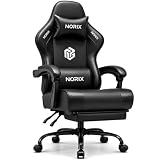
This chair earns its name with a seven-point ergonomic layout that distributes pressure across shoulders, mid-back, and lumbar zones. It is the sensible starting point for anyone sitting more than four hours daily who wants structured support without paying a premium. Pros: the seven contact zones provide noticeably better alignment than flat-back alternatives at this price, and the PU leather surface wipes clean easily. Con: the included pillows are thin and flatten quickly, so budget for a memory-foam replacement within months. Skip it if you weigh over 220 pounds or need a wider seat; the cushion is the narrowest in this group and feels cramped on broader frames.
GTPLAYER with Footrest (Blue)
The lowest-priced chair here is built for people who want a recline-and-relax experience. The integrated footrest extends from beneath the seat and the back locks near flat, making it as much a lounge as a gaming chair. Pros: at this price the footrest and multi-angle recline are genuinely generous, and the swivel plus rocking action give more movement range than most competitors. Con: the foam base is soft and compresses noticeably after extended daily use, limiting long-term posture support. Skip it if you need firm lumbar structure for eight-hour work sessions; the rocker is also a common failure point reported after a year of use.
N-GEN High-Back All Black
N-GEN positions this as a no-frills high-back option, and the all-black finish blends into home offices as easily as gaming setups. It suits buyers who want full spinal coverage without the racing-style bucket seats dominating this tier. Pros: the high back keeps the head and thoracic region supported even in moderate recline, and the footrest platform is wide enough for most shoe sizes. Con: armrest padding is minimal and adjustment is limited to up-down only, so users with longer arms may need to raise the whole seat to compensate. Skip it if you prefer a lighter or color-matched setup; the black finish shows every scratch and dust particle over time.
Upgraded Gaming Chair
Marketed as an upgraded version of the standard budget form factor, this chair’s real selling point is a slightly thicker foam density and reinforced tilt mechanism compared to its unbranded siblings. It suits buyers who want the familiar racing silhouette but have read horror stories about wobbly bases. Pros: the upgraded piston handles frequent height changes more reliably than thinner lifts at this price, and the backrest locks across a wider angle range. Con: the word “Upgraded” is doing heavy marketing work; visible improvements are modest and the PU leather still wrinkles along seat edges within the first year. Skip it if you need genuine step-up comfort; gains over the base 7-point model are marginal for the same price.
7-Point Support Ergonomic (Premium)
The higher-priced sibling of the basic 7-point model, this $89.99 version buys a thicker frame gauge and denser seat foam block. For buyers wanting seven-point support with more structural headroom, it is a reasonable middle step without jumping into premium-brand territory. Pros: the denser foam retains shape noticeably better over months of daily use, and the contact system is the best in this band for anyone with lower-back sensitivity. Con: the upgrade is incremental enough that some owners question the premium over the base model, especially if you plan to add a separate cushion anyway. Skip it if you are at the absolute floor of this budget; the base model delivers most of the same experience for ten dollars less.
Kslysuty White Leather
This chair stands out visually with its white PU leather, a popular pick for streamers and content creators wanting a cleaner on-camera aesthetic. Beneath the look, the pocket-spring cushion seat is the genuine differentiator; spring-loaded platforms reduce bottom-out pressure on long sessions. Pros: the pocket spring construction is uncommon at this price and provides a bounce-back that solid foam cannot match, and the high back covers the full thoracic spine. Con: white leather shows every mark and scuff within weeks, making it impractical for households with children or pets. Skip it if you want low-maintenance furniture; the aesthetic gain requires a cleaning commitment most buyers underestimate.
Office Desk Massage Chair (Black)
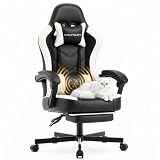
At the lowest price on this list, this chair bundles built-in back massage with a pocket spring cushion — a combination that sounds ambitious at under $65. It targets buyers who want multiple comfort features without choosing between them. Pros: the massage lumbar offers adjustable intensity across zones, rare below $100, and the spring seat keeps tailbone pressure low during extended sessions. Con: the massage function requires a power connection, adding cable clutter to any desk setup, and long-term motor reliability is a recurring owner concern. Skip it if you want a simple maintenance-free seat; the added electronics create a failure point that foam-only chairs avoid.
GTPLAYER Big and Tall 400lbs
This is the outlier by price and purpose. GTPLAYER built it around a 400-pound capacity, a wide saddle-shaped cushion, and reinforced frame geometry — features the rest of this group cannot match. It is the clear choice for larger adults or anyone with chronic back pain needing a firm, supportive seat. Pros: the 400-pound rating is backed by heavier-gauge metal and a thicker gas lift, and the saddle cushion distributes pelvic pressure far more evenly than flat seats. Con: at roughly double the price of every other option here, it is overkill for lighter users and its bulkier footprint demands more floor space. Skip it if you weigh under 200 pounds and sit fewer than six hours daily; the support advantages are designed for heavier or longer sessions.
Buying Guide
Foam Density and Seat Construction
The single most decisive spec is foam density inside the seat block. High-density foam resists permanent compression for years; low-density foam flattens within months, turning a comfortable chair into an uncomfortable slab. Listings rarely state density directly, so rely on owner reviews for long-term sag complaints. A pocket-spring layer beneath the foam — present on the Kslysuty and massage models — adds a second compression stage that delays bottom-out noticeably and is worth seeking if you sit for more than six hours daily.
Recline Locks and Rocking Mechanisms
Recline range is a headline number, but the lock mechanism behind it determines real-world usability. Chairs that lock at fixed angles use a ratcheting plate engaging metal teeth; cheaper friction-only recliners gradually slip under your back weight. Multi-angle locks are a strong filter. A rocker function adds comfort for shifting positions but introduces a moving joint that can creak or loosen. If you plan to rock daily, search owner reviews for confirmation that the rocker remained tight past the one-year mark rather than trusting the spec sheet alone.
Weight Capacity vs. Comfort Threshold
Manufacturers rate weight capacity as a maximum structural load, not a comfort threshold. A chair rated for 250 pounds may hold that weight while the foam compresses past the point of comfort well before the limit. Seat width matters equally and is often omitted from spec sheets; typical budget gaming chairs measure around 20 inches across, which is snug above 180 pounds. If you fall above the average frame, prioritize width and foam density over any other feature and consider the Big and Tall model despite its higher price.
Our Verdict
Top pick: the 7-Point Support Ergonomic (Premium) at $89.99 delivers the most balanced combination of structured spinal support, foam density that holds over months, and a price under $90. Budget pick: the Office Desk Massage Chair at $64.99 packs a pocket spring seat and adjustable massage into the lowest price here, a feature-to-dollar ratio no other option approaches. Condition for another winner: if you weigh over 220 pounds or sit more than eight hours daily, the GTPLAYER Big and Tall is not overkill — it is the only chair in this group whose frame and cushion geometry are designed for that use case, and everything else will compress and flex well before reaching its rated capacity.
FAQ
Is a gamer chair actually better than an office chair for long sessions?
Generally no, unless the gaming chair has genuine ergonomic design beyond aesthetics. Most office chairs with adjustable lumbar, seat depth, and armrests outperform a typical budget gamer chair for posture. The gaming form factor wins on recline range and integrated headrest support, which suit entertainment and relaxation postures more than desk-work positions.
How long does PU leather last on a budget gaming chair?
With daily use and minimal care, expect visible cracking or peeling along seat edges within one to two years. Wiping with a damp cloth weekly and keeping the chair out of direct sunlight significantly extends that window. Genuine leather or high-quality fabric alternatives last longer but rarely appear below $150 in this market segment.
Do massage functions on these chairs actually help back pain?
Short-term muscle relief, yes; long-term structural improvement, no. The vibration loosens tight muscles and increases local blood flow during a session, which can reduce end-of-day soreness. It is not a substitute for proper seat geometry and does not address underlying causes of chronic pain.
What weight capacity should I target if I weigh 250 pounds?
Choose a chair rated for at least 300 pounds to leave a structural margin, and verify seat width in reviews specifically. Chairs rated at 250 will technically hold the weight but the foam and tilt mechanism degrade faster when you are near the maximum. The GTPLAYER Big and Tall is purpose-built for that tier.


