
A gaming desk collects clutter fast: charging cables, a spare controller, dongles, batteries, a phone, and the odd USB stick. A good desk organizer tray corrals all of it into one spot so your surface stays clear for actually playing and working. The best tray for you depends on what you store and how much desk real estate you can spare. Here is how to choose without buying a tray that just becomes more clutter.
Top 3 picks at a glance
Types of organizer trays
Compartment trays
A divided tray with two to six sections keeps small items sorted: one bay for cables, one for a controller, one for pens and dongles. Look for at least one deep compartment (around 3-4 inches) for taller items and a shallow one for flat gear like keys and cards.
As an Amazon Associate we earn from qualifying purchases at no extra cost to you.


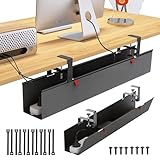


Cable-management trays
These add slots or clips along one edge so charging cables stay threaded and ready instead of sliding to the floor. Some include a weighted or grippy base so a cable does not drag the whole tray off the desk when you pull your phone free.
Sizing and material
| Tray type | Footprint | Best for | Price |
|---|---|---|---|
| Compact caddy | ~6 x 4 in | Cables + dongles | $10-20 |
| Multi-compartment | ~10 x 6 in | Controller + small gear | $15-30 |
| Monitor-shelf tray | Under-monitor | Saves desk space | $20-40 |
| Drawer-style | Adhesive under desk | Hidden storage | $15-35 |
Placement strategy
Keep it within reach but out of the way
The best spot is usually the back corner of the desk or under the monitor, where the tray is easy to reach but not in your mouse space. If desk room is tight, an under-desk adhesive drawer or an under-monitor shelf tray adds storage without eating any surface at all.
Material and grip
Felt-lined or rubber-based trays stop small items from sliding and keep the tray itself from scratching your desk or sliding when you grab a cable. Wood and metal trays look premium but add a felt pad underneath to protect the surface.
FAQ
What should I put in a desk organizer tray?
The everyday small stuff that otherwise migrates across your desk: charging cables, a phone, earbuds, a spare controller, dongles, batteries, pens, and USB drives. Reserve one deep compartment for the tallest item so the tray does not tip, and keep bulky boxes elsewhere.
How do I keep cables from tangling in the tray?
Use a tray with edge slots or add a couple of small cable clips so each charging cable has a home. Coiling loose cables with a reusable velcro tie before dropping them in also stops the spaghetti effect and makes the right cable easy to grab.
Building a system, not just adding a tray
A tray works best as part of a small routine. Give every regular item a home, cables in the slotted edge, phone in the deep bay, dongles in a shallow one, and put things back as you finish. Without assigned spots, even a nice tray becomes a pile in a box. The goal is that your eyes and hand know exactly where each thing lives, so the desk resets itself in seconds.
Consider how often you touch each item. Daily-grab things like the phone and a charging cable belong in the most reachable front compartment, while occasional items, a spare dongle, batteries, can go in a deeper or under-desk drawer. Splitting storage by frequency keeps the visible tray minimal and the clutter you rarely need tucked out of sight.
Matching the desk aesthetic
Trays come in felt, wood, metal, and silicone. Felt and wood soften a warm wood desk and dampen the clink of dropped items; metal and silicone suit a cooler, modern setup and wipe clean easily. Whatever the material, a non-slip base is the practical must-have so grabbing a cable does not drag the whole tray toward the edge.
Bottom line
Match the tray to your clutter: a compact caddy for cables and dongles, a multi-compartment tray if you also stash a controller, or an under-monitor or under-desk tray when surface space is precious. Favor a grippy, felt-lined base with at least one deep bay and edge cable slots, and for $10-40 your desk stays clear instead of collecting a slow drift of gear.


