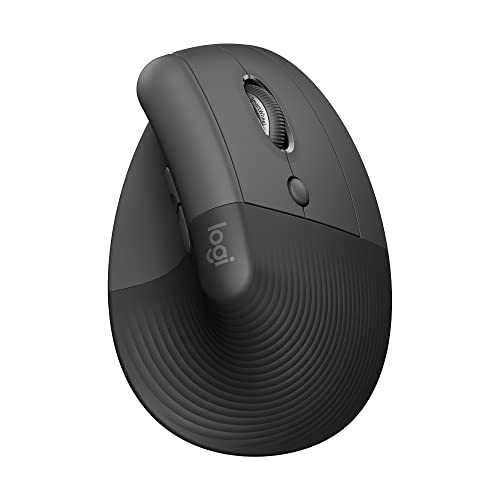
If your wrist or forearm aches after long sessions with a normal mouse, a vertical mouse is the ergonomic upgrade people recommend most. It turns your hand into a handshake position instead of a flat, palm-down grip, and for many users that single change relieves nagging strain. But it also feels alien at first and is a poor fit for fast-twitch gaming, so it is worth understanding before you switch.
As an Amazon Associate we earn from qualifying purchases at no extra cost to you.


Our Top Picks
 Anker 2.4G Wireless Ergonomic Mouse4.72"L x 2.94"W3.98 x 3.23 x 3.15 inches0.28 poundsCheck on Amazon

Top 3 picks at a glance
Why a vertical mouse can help
The pronation problem
A conventional mouse holds your forearm pronated, meaning rotated palm-down, which puts steady tension on the muscles and tendons running through your wrist. A vertical mouse tilts the grip to roughly 50 to 90 degrees, closer to a neutral handshake, reducing that forearm twist. For people whose discomfort comes from pronation or from repetitive strain, this can noticeably ease the ache over a few weeks.
| Aspect | Standard mouse | Vertical mouse |
|---|---|---|
| Forearm position | Pronated (palm down) | Neutral handshake |
| Wrist strain relief | Baseline | Often improved |
| Precision for fast gaming | High | Lower until adapted |
| Learning curve | None | 1-2 weeks |
| Price | $15-80 | $25-100 |
What the evidence-style reasoning says
Ergonomics is individual. A vertical mouse helps most when your strain is clearly tied to the palm-down position and general mouse overuse. It does far less if your problem is actually your desk height, an unsupported arm, or gripping the mouse too hard. Fix those basics alongside any hardware change.
The downsides to expect
Precision and gaming
Vertical mice trade fine, fast control for comfort. Aiming in a shooter or making rapid flick shots is harder because the grip favors larger arm movements over quick wrist snaps. Competitive gamers usually keep a low, light standard mouse for play and use a vertical mouse for browsing and work. If your pain is severe, though, comfort may matter more than a few points of accuracy.
Fit and size
Vertical mice are shaped for a specific hand size, and a mouse too large or small for your hand undermines the ergonomic benefit. Check the recommended hand length, and prefer one with adjustable DPI so you can lower sensitivity while you adapt to the new movement style.
Give it a fair trial
Expect one to two weeks of feeling clumsy before the new grip becomes natural. Set the DPI a bit lower at first, keep your whole arm relaxed, and pair the switch with an armrest or a wrist-neutral desk height. If the ache eases over that trial, the mouse is doing its job.
Picking the right one
Angle and size
Vertical mice come in steeper and gentler angles. A full 90-degree grip is the most neutral but feels the most foreign at first, while a 50 to 70 degree angle is a middle ground that eases the forearm without demanding a total relearning. Just as important is matching the shell to your hand length, since a vertical mouse is molded for a range; a mouse too big leaves you clawing and a too-small one cramps the palm, and either undermines the comfort you bought it for.
Wired, wireless, and buttons
For everyday work a wireless vertical mouse keeps the desk tidy, and battery life on modern models runs weeks to months. If you want to use it for slower games too, look for adjustable DPI and a couple of programmable buttons so you can lower sensitivity while adapting and map common actions to the thumb. Do not neglect the mundane fix underneath it all: even the best vertical mouse will not help if your desk is too high or your arm is unsupported, so set your elbow near 90 degrees and rest your forearm while you glide.
FAQ
Can I game with a vertical mouse?
For slower or casual games, yes. For fast competitive shooters, most players find a vertical mouse limits quick aiming and keep a standard mouse for play. Use the vertical mouse for everyday work and comfort.
How long before a vertical mouse feels normal?
Usually one to two weeks of regular use. The grip feels awkward at first and your speed drops, then your hand adapts. Lowering the DPI early makes the transition smoother.
Bottom line
A vertical mouse is worth it if your wrist strain comes from the palm-down grip and general overuse, and you can accept lower precision and a short adjustment period. It is not a gaming mouse, so pair it with a standard mouse for competitive play, and fix desk height and arm support at the same time for the best relief.
Related guides
More from Amazon
Programs that pair well with the guide above. Offers and eligibility are set by Amazon and may change.
Free shipping on eligible items, Prime Video and more. Eligible new members can start with a free trial.
Start a Prime free trialAd-free music streaming. Eligible new subscribers can start with a free trial.
Try Music Unlimited freeA Prime membership for ages 18-24 with a trial period. Eligibility is set by Amazon.
See Prime for Young AdultsAudiobooks and podcasts to listen to on the go. Eligible new members can start with a free trial.
Try Audible freeAs an Amazon Associate we earn from qualifying purchases.