Wide angle is the easiest way to change how a photo feels. A cramped hotel room suddenly looks like a real space, a street scene gains depth, and a vlogger’s arm no longer cuts the frame in half. The catch is that “wide” is not one thing. A 16mm prime, a 10-18mm zoom, and a 14-35mm professional zoom all qualify, yet they sit on different camera mounts, cost very different amounts, and suit different habits. Choosing well starts with your camera body, not with the lens.
This guide is for photographers and video creators who already own a mirrorless or DSLR body, or a compact camera that accepts add-on glass, and want a clear shortlist. Seven options are covered, spanning Canon RF and EF mounts, a Sony E-mount prime, and a screw-on attachment for small Sony cameras. Notes come from the specs in each product title, since the right lens in 2026 is the one that physically fits your mount and sensor size, then matches your budget and your subject.
Our Top Picks


Top 3 picks at a glance
Quick Picks
As an Amazon Associate we earn from qualifying purchases at no extra cost to you.



| Product | Best for | Key spec from the title |
|---|---|---|
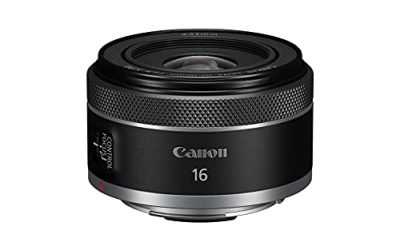
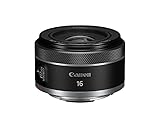
| Canon RF 16mm F2.8 STM | Compact full-frame style wide prime on EOS R | Fixed 16mm, F2.8, STM focusing, RF mount |
| Canon RF-S 10-18mm F4.5-6.3 IS STM | Vlogging and travel on APS-C EOS R bodies | Ultra-wide zoom, image stabilization, compact and lightweight |
| VILTROX 9mm F2.8 E | Sony APS-C shooters wanting an extreme prime | AF 9mm f/2.8, E-mount, APS-C |
| Canon EF 17-40mm f/4L | DSLR users who want an L-series ultra-wide zoom | 17-40mm range, constant f/4, EF mount |
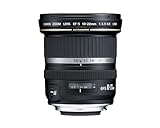
| Canon EF-S 10-18mm f/4.5-5.6 IS STM | Canon APS-C DSLR owners on a lighter budget | IS STM, ED and aspherical elements, 7-blade aperture |
| Canon RF 14-35mm F4 L IS USM | Professionals on full-frame EOS R | 14-35mm zoom, F4 L series, image stabilization |
| NEEWER 40.5mm Wide Angle Lens | Small Sony cameras such as ZV-E10 or A6000 | 18mm wide plus 10x macro, 2-in-1 attachment |
How to Choose
Match the mount and the sensor
Start with the label on your camera: RF, EF, EF-S, or Sony E. An RF lens will not mount on a DSLR, and an EF-S lens is designed for Canon’s smaller APS-C sensors, so it suits crop-sensor DSLRs rather than full-frame bodies. RF-S lenses likewise target APS-C EOS R cameras. The VILTROX title states E-mount APS-C, so it belongs on a Sony crop body such as the a6400 or ZV-E10 named in the listing. The attachment from NEEWER works differently, threading onto the front of an existing lens, so the thread size printed on your lens ring is what matters there. When in doubt, read the mount and sensor size off your camera’s spec page before opening any product listing.
Focal length: how wide is wide enough
On full frame, 24mm is wide, 16mm is ultra-wide, and 14mm starts to stretch the corners noticeably. On an APS-C camera, a 10mm lens gives roughly a 15mm-equivalent view, and a 9mm prime goes further. Real estate and interior shooters usually want 10 to 16mm for tight rooms. Travel and street shooters can live with 14 to 24mm, where distortion is easier to manage. If you shoot mostly portraits, an ultra-wide is the wrong tool.
Aperture, stabilization, and zoom versus prime
An F2.8 prime like the RF 16mm or the 9mm gathers more light than a F4.5-6.3 kit-style zoom, which helps with indoor and astro work. Zooms with IS, such as the RF-S 10-18mm and EF-S 10-18mm, steady handheld video and low-shutter shots. Constant f/4 zooms, like the 17-40mm and the RF 14-35mm, hold exposure through the range, which suits video and consistent stills. Primes win on size and speed, zooms on flexibility.
Where budget lenses cut corners
Cheaper wide lenses tend to show softer corners, more vignetting, and more barrel distortion at the widest setting. Screw-on attachments, like the NEEWER, add glass in front of an existing lens and can reduce edge sharpness compared with a native lens. Weather sealing and L-series build usually appear only on higher tiers. Ignore marketing terms and check for the filter thread size, because wide lenses often cannot take filters easily.
The 7 Best Options
Canon RF 16mm F2.8 STM
A fixed 16mm ultra-wide for EOS R mirrorless bodies. The title calls out the F2.8 aperture and STM focusing, which makes it a natural fit for interiors, street scenes, and vlogs where a small lens matters. Because it is a prime, it rewards photographers who enjoy composing by moving closer or stepping back, and it pairs well with a second, longer lens for portraits and details.
- Strength: a bright F2.8 aperture for a wide prime.
- Strength: compact fixed-focal design for travel kits.
- Trade-off: no zoom, so framing means moving your feet.
Skip it if you want one lens that covers multiple focal lengths or if you shoot on a DSLR. Cropped-sensor RF-S bodies will see a tighter view than the focal length suggests.
Canon RF-S 10-18mm F4.5-6.3 IS STM
A compact ultra-wide zoom for APS-C EOS R cameras, marketed in its title for vlogging, selfies, video, and travel. Image stabilization and its light build suit handheld walking shots, and the zoom range lets you step from an extreme view to a milder wide without swapping glass, which is handy on a crowded sidewalk or in a small apartment.
- Strength: IS steadies handheld clips and low-light stills.
- Strength: compact and lightweight for all-day carry.
- Trade-off: the F4.5-6.3 aperture is slower in dim rooms.
Skip it if you shoot full-frame RF cameras or want a bright aperture for night skies. Full-frame RF owners should look at the 16mm or 14-35mm instead.
VILTROX 9mm F2.8 E
An autofocus 9mm F2.8 prime for Sony E-mount APS-C cameras, including models like the a6400, a6600, and ZV-E10 named in its title. It suits buyers who want the widest practical view and a fast aperture. Content creators filming in tight rooms or cars may find this focal length opens up framing that longer wides cannot reach, though the view demands careful composition near the edges.
- Strength: very wide 9mm view with F2.8 light gathering.
- Strength: autofocus operation is stated in the title.
- Trade-off: it is built for APS-C Sony bodies, not full-frame or other mounts.
Skip it if you shoot Canon or want a longer, more natural wide. Straight lines near the frame edge can bend, so architecture shooters should plan to correct them in editing.
Canon EF 17-40mm f/4L
An ultra-wide zoom from Canon’s L-series for EF-mount DSLRs. The constant f/4 aperture suits landscape and architecture shooters who want consistent exposure across the zoom range. It is an older-style EF design that still makes sense for owners who already have a Canon DSLR and want to stay within that system.
- Strength: L-series pedigree and a constant f/4 aperture.
- Strength: zoom range from ultra-wide to moderately wide.
- Trade-off: the title lists no stabilization.
Skip it if you shoot mirrorless without an adapter, or if you need in-lens image stabilization for video. Shooters on a tripod will not miss it.
Canon EF-S 10-18mm f/4.5-5.6 IS STM
A budget-friendly ultra-wide zoom for Canon APS-C DSLRs. The title cites ED glass, aspherical elements, and a 7-blade aperture, along with IS STM. For someone moving up from a kit lens on a crop-sensor Canon DSLR, that spec sheet reads as a straightforward step into ultra-wide territory.
- Strength: image stabilization at a modest tier.
- Strength: ED and aspherical elements aimed at sharper edges.
- Trade-off: variable aperture limits low-light performance.
Skip it if your body is full-frame or mirrorless without the right adapter. Anyone planning to move to mirrorless soon may prefer a lens that carries over without an adapter.
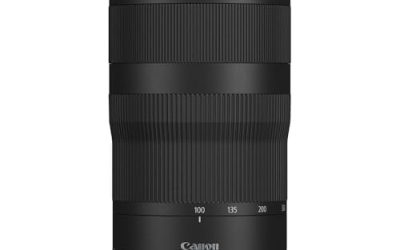
Canon RF 14-35mm F4 L IS USM
A premium wide-angle zoom for full-frame EOS R cameras, covering ultra-wide to moderate wide in one lens. L series and image stabilization place it at the upper tier of this group. Working photographers who shoot weddings, real estate, and events benefit from covering 14mm through 35mm without changing lenses on a busy day.
- Strength: broad 14-35mm range with constant F4.
- Strength: IS and L-series build for professional work.
- Trade-off: it sits in a premium price tier.
Skip it if you shoot casually or need a compact lens for travel on a tight budget. Hobbyists who only shoot wide a few times a year may not need this level of kit.
NEEWER 40.5mm Wide Angle Lens
A 2-in-1 attachment offering an 18mm wide-angle view and 10x macro, aimed at small Sony cameras including the ZV-1F, ZV-E10, and A5000 and A6000 models. It fits people who want a wider field without buying a new interchangeable lens. It is a sensible experiment for anyone unsure whether wide framing suits their style before investing in native glass.
- Strength: low-cost way to widen a kit lens.
- Strength: macro mode adds a creative close-up option.
- Trade-off: it is a screw-on accessory, so image quality depends on the lens beneath it.
Skip it if you want native-lens sharpness or have a different filter thread. The 40.5mm thread size must match your existing lens, so check the front ring before ordering.
Which One Fits Your Situation
You vlog with a small mirrorless body
The Canon RF-S 10-18mm covers selfie and walking shots with stabilization on APS-C EOS R, while the VILTROX 9mm does the same job on Sony E-mount.
You shoot interiors and architecture
The Canon EF 17-40mm f/4L fits DSLR users, and the RF 14-35mm F4 L suits full-frame mirrorless. Both give a constant aperture for consistent exposure.
You carry a travel kit on a budget
The EF-S 10-18mm IS STM keeps cost down on an APS-C DSLR. On a small Sony body, the NEEWER attachment is the cheapest way to try wider framing.
You prefer a prime for travel and street
The Canon RF 16mm F2.8 STM is a small, bright option for EOS R owners who like to move with the subject.
Common Mistakes
- Buying an EF or EF-S lens for a mirrorless camera without confirming adapter compatibility.
- Choosing an ultra-wide for portraits, which exaggerates faces near the frame edges.
- Forgetting that APS-C bodies crop the field of view compared with full frame.
- Expecting filters to fit easily on very wide lenses.
- Judging a screw-on attachment as equal to a native wide lens.
Frequently Asked Questions
Is a wide-angle lens good for portraits?
Generally not. Ultra-wide focal lengths stretch features at the frame edges, so portrait shooters usually prefer longer lenses. A wide lens does flatter group shots in tight rooms, where backing up is not possible.
Will an EF-S lens work on a full-frame camera?
EF-S lenses are designed for Canon’s APS-C DSLRs. They are not intended for full-frame bodies, so match the lens to the sensor size.
What is the difference between a prime and a zoom?
A prime has one fixed focal length, often with a brighter aperture and smaller size. A zoom covers a range, giving flexibility in framing.
Do I need image stabilization on a wide lens?
It helps for handheld video and slow shutter speeds. If your camera body has in-body stabilization, lens IS matters less.
Related guides
More from Amazon
Programs that pair well with the guide above. Offers and eligibility are set by Amazon and may change.
Free shipping on eligible items, Prime Video and more. Eligible new members can start with a free trial.
Start a Prime free trialAd-free music streaming. Eligible new subscribers can start with a free trial.
Try Music Unlimited freeA Prime membership for ages 18-24 with a trial period. Eligibility is set by Amazon.
See Prime for Young AdultsAudiobooks and podcasts to listen to on the go. Eligible new members can start with a free trial.
Try Audible freeAs an Amazon Associate we earn from qualifying purchases.