
When organizing a modern desk setup—especially with motor-driven standing desks, dual 27-inch 4K monitors, external audio interfaces, and multi-device charging hubs—the unsightly tangle of trailing power cords and DisplayPort lines can ruin an otherwise sleek aesthetic. Home office enthusiasts routinely face a fundamental organizing choice when evaluating magnetic cable ties vs velcro cable straps for desk management: Should you choose the quick, tactile snap of magnet-assisted ties, or rely on the high-friction, heavy-duty gripping power of traditional hook-and-loop fabric straps?
While both alternatives eliminate the waste of single-use plastic zip ties, they suit vastly different desk layouts and usage habits. If you frequently re-route phone chargers, swap out gaming peripherals, or clean beneath a standing desk, effortless adjustability is essential. Conversely, if you are binding an immovable, 2-inch-thick bundle of heavy extension cords under a solid hardwood executive desk, sheer tensile strength and raw affordability are paramount. Understanding how magnetic cable ties vs velcro cable straps for desk environments handle tension, dust, surface mounting, and long-term wear will help you achieve a clutter-free, professional workspace.
As an Amazon Associate we earn from qualifying purchases at no extra cost to you.


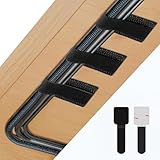
Top 3 picks at a glance
Quick Verdict
If your workspace features a steel standing desk frame or metal cable tray and you regularly plug in new hardware, magnetic cable ties are the premium solution. Their instant magnetic attachment, smooth silicone shielding, and lint-free design make cord adjustments effortless. However, if you need to secure large, heavy wire bundles under wooden desks on a budget, velcro cable straps offer unmatched wrapping tension, custom trimming flexibility, and an exceptionally low cost per unit.
Side by Side
To help you evaluate magnetic cable ties vs velcro cable straps for desk organization, the table below breaks down key physical attributes, practical performance metrics, and pricing across both cable management styles.
| Criteria | Magnetic Cable Ties | Velcro Cable Straps |
|---|---|---|
| Ease of Adjustment | Instant snap open/close; zero effort to re-route | Requires pulling hook-and-loop fabric apart |
| Maximum Bundle Capacity | Best for small-to-medium bundles (up to 1.25 in. diameter) | Excellent for large, thick bundles (2.5+ in. diameter) |
| Direct Surface Mounting | Snaps directly onto steel desk frames, legs, and trays | Requires adhesive bases or screws for surface attachment |
| Material & Durability | Flexible silicone or TPU with neodymium magnets | Woven nylon/polyester hook-and-loop fabric |
| Maintenance & Cleaning | Wipes clean instantly; impervious to dust and hair | Gathers lint, fuzz, and pet fur over time |
| Profile & Clearance | Slightly bulkier due to magnet housing (0.25–0.4 in. thick) | Ultra-thin fabric wrap (0.05–0.1 in. thick) |
| Price Range Per Unit | $0.75 to $1.90 per tie | $0.07 to $0.20 per strap |
| Reusability Lifespan | Decades (magnets do not degrade; silicone resists tears) | 500 to 1,000 cycles before fabric grip weakens |
| Best For | Dynamic standing desks, visible cables, metal legs | Fixed thick wire trunks, under-desk raceways, tight budgets |
Where Magnetic Cable Ties Wins
Magnetic cable ties excel in dynamic workspaces where cords are frequently added, removed, or repositioned. Most quality magnetic options wrap a high-grade neodymium magnet inside flexible, medical-grade silicone or durable thermoplastic polyurethane (TPU). Instead of threading a strip through a plastic buckle, you simply wrap the silicone band around your cords and let the magnetic ends click together. This action takes less than two seconds, eliminating the repetitive tugging associated with fabric fasteners.
The standout advantage of magnetic ties is their natural affinity for steel office furniture. As home office design trends in 2026 emphasize industrial steel standing frames and powder-coated wire trays, magnetic ties serve a dual purpose: they gather your wires and attach directly to the metal desk legs without requiring sticky adhesives or screw-in clips. A magnetic mount or tie with a vertical pull force rating of 5 to 12 pounds can suspend heavy HDMI and monitor cables cleanly along the underside of a metal frame, remaining completely hidden from view.
For an all-in-one overhaul, complete magnetic kits like the ZyCooom 225-Pc Magnetic Cable Ties Set, Magnetic Zip Tie Mounts & Cable Ties ($37.99) give you magnetic bases alongside flexible ties, allowing you to anchor pathways anywhere on steel legs. If you only need quick desktop cord controls, soft individual options like the SMART&COOL Reusable Silicone Magnetic Cable Ties, Black, 20-Pack ($16.99) wrap around laptop chargers and headphone cords without scratching fine furniture surfaces. Furthermore, because silicone is non-porous, magnetic ties never attract dust, carpet fibers, or pet hair, making them far easier to sanitize than fabric alternatives.
Where Velcro Cable Straps for Desk Wins
While magnetic ties bring speed and sleek modern aesthetics, traditional velcro cable straps remain the undisputed champions of raw holding power, high bundle capacity, and cost efficiency. Made from tightly woven nylon hook-and-loop material, these straps wrap around cables and bite into themselves across their entire surface area. This continuous contact creates a mechanical friction bond that will not pop open, even when subjected to the strong twisting forces of thick 12-gauge power cords, heavy surge protector lines, and rigid display cables bundled together.
Velcro straps shine in under-desk cable management trays where tight clearance is mandatory. Measuring less than 0.1 inches thick, a fabric strap can be cinched down tightly to compress unruly wires into a slim, compact bundle. You can also daisy-chain multiple 6-inch or 8-inch straps end-to-end to wrap massive cable trunks over 3 inches in diameter—something magnetic ties cannot accomplish without uncoupling under tension.
Budget constraints also heavily favor hook-and-loop fasteners. Multi-packs like the Nettbe 60 PCS 6 Inches Reusable Cable Ties, Adjustable Cord Straps Wire Organizer Cord Wrap and Hook Loop Cable Management ($4.15) provide enough organizers to tidy an entire home network cabinet for just pennies per cord. For dedicated desk setups, bulk bundles like the Abnii 50 PCS Hook and Loop Cable Ties, Under Desk Cable Management, Black ($9.99) offer pre-cut eyelet slots that loop onto individual cords, ensuring the strap remains attached to the wire even when unbuckled. If you have a solid wood, glass, or laminate desk with no magnetic metal, velcro straps combined with adhesive cable clamps remain the most secure binding choice.
Cost Over 5 Years
Evaluating the true expense of magnetic cable ties vs velcro cable straps for desk setups requires looking past initial retail price tags to consider long-term durability and replacement cycles.
Velcro cable straps carry a minimal upfront investment. A typical package costs between $4.00 and $10.00 for 50 to 60 units ($0.07 to $0.20 per strap). However, hook-and-loop material degrades over time. Frequent opening pulls fabric fibers loose, while ambient dust and pet dander reduce the hook grip. In an active desk setup adjusted weekly, velcro straps usually need replacement every 2 to 3 years. Over a 5-year period, maintaining a complex workstation with velcro straps typically incurs $15.00 to $25.00 in total strap purchases.
Magnetic cable ties require a higher upfront layout, ranging from $16.00 to $38.00 for quality sets ($0.75 to $1.90 per tie). However, neodymium magnets retain their strength for decades without wear, and silicone shells do not stretch out or fray. Because they can be wiped clean indefinitely and never lose their hold, magnetic ties carry a near-zero replacement cost over a 5-year timeline. While magnetic ties cost roughly 300% to 500% more initially, their permanent usability narrows the long-term price gap significantly for users who frequently reconfigure their equipment.
Which One for Your Home
Small Apartment Workspace
In compact living spaces, desks often double as dining tables or craft stations, requiring quick setup and tear-down. Magnetic cable ties excel here. Their smooth silicone appearance looks refined on visible desktop surfaces, and cords can be snapped loose and packed into a drawer in seconds without fussing with fuzzy fabric straps.
Family with Kids or Pets
Homes with shed-prone pets or curious toddlers demand low-maintenance, snag-free cable management. Velcro straps beneath desks act as magnets for floating pet hair and dust bunnies, which become tangled in the hook fibers and look unkempt. Smooth magnetic silicone ties resist hair accumulation and wipe clean with a damp cloth, maintaining a hygienic workspace.
Rental Property Setup
Renters need organizing solutions that do not require drilling holes or risking paint peel from heavy double-sided adhesive tapes. If your rental desk features metal legs or a steel frame, magnetic cable ties snap into place instantly and leave zero residue upon move-out. If your desk is laminate or wood, ultra-lightweight velcro straps clipped through simple wire channels offer damage-free routing.
Long-Term Home Setup
For custom home offices featuring built-in wooden cabinetry, heavy grommet holes, and permanent cable raceways, velcro cable straps provide the reliable grip needed for dense, hidden wire pathways. Once cinched tight around a heavy trunk of 15+ cords, a velcro strap holds its tension indefinitely without popping, ensuring long-term structural neatness out of sight.
FAQ
Do magnetic cable ties interfere with computer electronics or monitors?
No. The small neodymium magnets used in silicone cable ties generate localized, low-intensity magnetic fields that do not harm modern computer monitors, solid-state drives (SSDs), USB cables, or power adapters. You can safely bundle power and data cords directly against magnetic ties without risking signal interference or data loss.
Can velcro cable straps scratch wood or delicate cable shielding?
Standard nylon velcro straps are soft enough that they will not harm vinyl cord jackets or finished hardwood desk surfaces. However, ensure the rough “hook” side of the fabric faces outward away from delicate finishes to prevent mild friction buffing on sensitive wood veneers over years of movement.
How many cables can fit inside a standard 6-inch tie or strap?
A standard 6-inch velcro strap cinches securely around bundles up to 1.5 inches in diameter, holding roughly 8 to 10 standard power and HDMI cables. A flexible 7.5-inch magnetic silicone tie comfortably holds 4 to 6 standard cords; larger bundles require long magnetic bands or chained velcro straps.
Are magnetic cable ties strong enough to hold heavy power bricks?
Magnetic cable ties are designed to gather and route flexible cables, not suspend heavy power adapters or large transformer bricks in mid-air. To secure a heavy power brick underneath a desk, use dedicated under-desk cable trays, heavy-duty mounting brackets, or wide hook-and-loop cinch straps anchored to solid structure.


