
Elevating your laptop screen to eye level is one of the quickest ergonomic upgrades you can make for your home workspace. Bringing the display up 3 to 6 inches reduces neck flex by up to 35 degrees, helping to prevent upper back strain during long work hours. However, once you decide to improve your posture, you face a distinct design decision: an aluminum laptop stand vs wood stand.
Selecting between metal and timber goes beyond simple mechanics. Aluminum brings lightweight precision, structural flexibility, and high thermal conductivity to your desk. Solid wood or molded plywood brings textural warmth, acoustic dampening, and architectural grounding that transforms a purely functional desk into a curated piece of furniture. As home office design trends in 2026 prioritize a balance between performance hardware and organic home decor, choosing the right material depends on how you balance thermal cooling, aesthetic harmony, spatial footprint, and longevity.
As an Amazon Associate we earn from qualifying purchases at no extra cost to you.

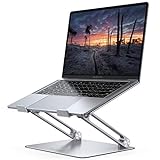


Top 3 picks at a glance
Quick Verdict
If your primary goals are active thermal management, height adjustability, and a compact, lightweight design, choose an aluminum laptop stand. Metal stands act as passive heat sinks, making them ideal for high-performance laptops running intensive software, as well as for minimalist or technical desk setups.
If your priority is blending your work area into your home’s interior design, choose a wood laptop stand. Solid oak, walnut, or birch stands offer stable structural support, quiet acoustic dampening, and a warm, furniture-grade finish. They excel in open-concept living rooms, bedrooms, and traditional home offices where cold metal feels out of place.
Side by Side
| Feature | Aluminum Laptop Stand | Wood Laptop Stand |
|---|---|---|
| Comfort & Ergonomics | High; frequently offers multi-angle and height adjustments (3 to 10 inches). | Moderate; typically fixed height (3 to 6 inches) or single angled slope. |
| Durability | Exceptional; anodized metal resists dents, drops, and liquid spills. | High; solid hardwoods last decades, though susceptible to liquid stains and scratches. |
| Price Range | $15 – $50 for standard to heavy-duty adjustable models. | $25 – $90+ depending on wood species and handcrafted construction. |
| Maintenance | Zero maintenance; simple damp-cloth wipe down. | Low to moderate; requires periodic wood conditioning or wax polish. |
| Space Needed | Compact; thin sheet metal, often foldable or detachable. | Slightly larger footprint; bulkier structural block or curved plywood frame. |
| Look & Finish | Sleek, industrial, minimalist (anodized silver, space gray, matte black). | Warm, organic, handcrafted (walnut, oak, bamboo grain textures). |
| Thermal Management | Superior; passive heat conductor with open air cutouts. | Neutral; insulates heat slightly, relies on cutouts or spacing for airflow. |
| Acoustic Profile | Reflective; can produce metallic taps when shifting devices. | Absorptive; dampens desk vibrations and typing thuds naturally. |
| Best For | Power users, travelers, modern minimalist desks, high-heat laptops. | Permanent home offices, mid-century modern interiors, living room nooks. |
Where Aluminum Laptop Stand Wins
Aluminum stands offer excellent functionality in structural efficiency and heat dissipation. Because aluminum features high thermal conductivity (roughly 200 W/m·K compared to wood’s 0.12 W/m·K), a metal stand draws ambient heat away from your laptop’s bottom chassis. Combined with open-frame ventilation slots, metal risers can reduce internal component temperatures by 3 to 8 degrees Celsius compared to setting the laptop flat on a laminate desk surface.
Weight and precision engineering also favor aluminum. Most aluminum risers weigh between 1.2 and 2.5 pounds while safely supporting notebooks from 10 to 17.3 inches. Entry-level models like the BESIGN LS03 Aluminum Laptop Stand ($16.99) highlight this advantage through a detachable, three-piece ergonomic layout that elevates a laptop 6 inches off the surface, maximizing desk storage beneath. For heavier setups, rigid platforms such as the Lamicall Aluminum Laptop Stand for Desk ($28.99) provide a steady metal base with smooth rubber padding that prevents device slippage and protects the aluminum chassis from surface-on-surface wear.
Finally, aluminum offers greater adjustability. Precision gear hinges allow aluminum stands to tilt, fold completely flat for travel, or switch between sitting and standing heights. They clean easily with any household glass or surface cleaner, and anodized finishes resist scratching, moisture, and ultraviolet discoloration over time.
Where Wood Stand Wins
Where aluminum focuses on raw utility, wood stands excel at interior integration. A metal riser can feel sterile in a room built around warm textiles, brass fixtures, and natural timber furniture. A solid walnut, oak, or molded plywood stand adds textural depth and converts modern computing equipment into an integrated decor accent.
Acoustics and tactile feel represent major advantages for wooden risers. Wood absorbs vibrational energy rather than reflecting it. When you dock a laptop or rest your hands near the desk base, wood eliminates the metallic clatter associated with aluminum stands. The substantial weight of a solid hardwood stand—often weighing between 2.5 and 4.5 pounds—creates a stable platform that won’t shift when bumped.
Wood also pairs naturally with other organic home items across your workspace. Decorators frequently coordinate solid wood desktop stands with smaller wooden home accessories to unify an open-concept room. For example, matching a walnut laptop riser with small timber accents like a Wood Bathroom Tray Farmhouse Decor Kitchen Soap Holder ($9.79) used as a desk organizer, or incorporating a elevated platform like the FLYIEE Wood Risers for Decor Display ($7.98) to hold desk lamps or plants, establishes a warm tone throughout the space. Wood brings an artistic quality to the home office that mass-produced metal cannot mirror.
Cost Over 5 Years
Evaluating an aluminum laptop stand vs wood stand over a five-year lifespan requires looking at initial purchase price, wear resistance, and component longevity.
- Aluminum Stand (5-Year Projection): Average initial cost ranges from $18 to $35. Because anodized aluminum does not warp, crack, or degrade when exposed to sunlight or liquid spills, long-term maintenance costs are $0. The total 5-year investment remains equal to the purchase price ($18 to $35 total).
- Wood Stand (5-Year Projection): Average initial cost ranges from $30 to $80 for solid wood constructions. High-grade hardwoods last for decades, but cheaper wood veneers or low-density particle boards can chip or peel within two to three years if exposed to heavy laptop heat or coffee spills. Factoring in occasional timber wax or oil ($10) to maintain real wood finishes, the 5-year cost typically lands between $40 and $90.
Aluminum holds a slight edge on pure long-term value due to its immunity to moisture and heat wear, but solid timber stands maintain strong structural integrity over long periods when properly maintained.
Which One for Your Home
Small Apartment
If you work out of a compact living room corner or convert a dining table into a desk each morning, an aluminum stand is your best choice. Lightweight aluminum models can be disassembled or folded flat within seconds, sliding easily into a drawer or laptop bag to clear your living space at the end of the day.
Family with Kids/Pets
For homes with active children or pets, a solid wood laptop stand offers clear safety benefits. Heavy hardwood blocks feature rounded, soft edges that won’t scratch wandering hands, and their lower center of gravity reduces the risk of the stand tipping over if a desk is bumped during play.
Rental
In a rental property where desk configurations and wall colors frequently change, aluminum offers ultimate stylistic versatility. A neutral silver or space gray anodized metal stand blends effortlessly with modern white laminate desks, dark metal frames, or glass surfaces without color clashing.
Long-Term Home
If you are curating a dedicated, permanent home office with custom cabinetry, solid wood desks, and built-in shelving, choose a solid wood stand. A fine walnut or oak riser acts as an extension of your high-end furniture, developing a rich patina over years of use and grounding the entire workspace.
FAQ
Does an aluminum laptop stand cool down a computer better than wood?
Yes. Aluminum is a thermal conductor that absorbs and radiates heat away from your laptop’s lower chassis. Wood acts as an insulator, retaining heat beneath the computer. While wooden stands with carved airflow vents dissipate ambient heat effectively, aluminum provides superior passive cooling during intensive tasks like video rendering or gaming.
Can a wooden laptop stand scratch or damage my desk?
High-quality wooden stands feature smooth, sanded bases, and many come with cork or felt padding on the bottom contact points to prevent desk scuffs. Unfinished or rough handcrafted wood bases can occasionally scratch soft lacquer or softwood desks, so checking for cork or rubber footpads is recommended before placing a heavy wood stand on a polished surface.
Are aluminum laptop stands easily portable for remote work?
Most aluminum stands are designed specifically for mobility. Detachable and folding hinge models collapse into flat profiles under 1 inch thick, allowing them to fit into standard laptop sleeves and backpacks for travel between home and remote work locations.
How do I clean and maintain a solid wood desk stand?
Dust your wooden stand weekly with a soft, dry microfiber cloth. Avoid harsh chemical sprays or alcohol-based cleaners, which break down clear coats and dry out natural timber. Treat solid hardwood stands once or twice a year with food-safe mineral oil, beeswax, or furniture polish to preserve the grain and protect against humidity changes.


