
A laptop stand seems like a small desk accessory, but the material choice affects far more than appearance. The real decision is whether you want a light, rigid, low-maintenance platform that can move between rooms easily, or a warmer-looking stand that suits a more residential workspace and can age gracefully with basic care.
For most buyers comparing aluminum laptop stand vs bamboo laptop stand durability, aluminum is the safer choice for frequent use, travel between workspaces, heavier laptops, and homes where spills or humidity are concerns. Bamboo can be highly durable in a stable indoor environment, however, and it often makes more sense when the desk is part of a living room, bedroom, or intentionally natural-looking home office.
As an Amazon Associate we earn from qualifying purchases at no extra cost to you.

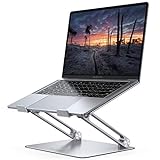


Both materials can last for years when the design is sound. A flimsy aluminum stand can wobble, and a poorly finished bamboo stand can split or swell. The better question is how each material handles the daily realities of your home: a 3- to 7-pound laptop, cable clutter, cleaning, children, pets, sunlight, humidity, and occasional coffee mishaps.
Top 3 picks at a glance
Quick Verdict
Choose an aluminum laptop stand if durability means structural rigidity, easy cleaning, and dependable performance with larger laptops. Aluminum does not absorb moisture, is usually thinner and lighter than a comparable wood stand, and holds up especially well in high-use desk setups. Fixed risers commonly weigh about 1.5 to 3 pounds, while foldable aluminum models may weigh 8 ounces to 2 pounds.
Choose a bamboo laptop stand if durability means a long-lived, furniture-like piece that looks at home outside a conventional office. Bamboo is naturally strong for its weight, but its finish and construction matter. It needs protection from standing water, repeated high humidity, and hard drops that can chip an edge or stress a glued joint.
For a standard 13- to 16-inch laptop, either material can be a sensible purchase. For a 17-inch workstation laptop, a heavy gaming model, or a laptop used every day for eight or more hours, aluminum generally offers more consistent long-term support.
Side by Side
| Factor | Aluminum Laptop Stand | Bamboo Laptop Stand |
|---|---|---|
| Comfort | Often offers fixed ergonomic lift of 5 to 7 inches; adjustable versions can provide more screen-height range. | Usually offers a warmer touch and softer visual presence; height depends heavily on the design. |
| Durability | Resists moisture, warping, and everyday scuffs; may dent or scratch if dropped. | Strong and stable indoors, but can swell, crack, or delaminate if repeatedly wet or poorly finished. |
| Typical price range | About $17 to $50 for most fixed or adjustable desk stands. | About $11 to $35 for basic bamboo risers and vertical holders. |
| Maintenance | Wipe with a damp microfiber cloth and dry it; check silicone pads occasionally. | Wipe promptly after spills; avoid soaking and refresh a dry-looking finish when appropriate. |
| Space needed | Many fixed stands use roughly 9 to 11 inches wide by 8 to 10 inches deep. | Often needs a similar footprint, though wider shelf-style styles may take 10 to 14 inches of desk width. |
| Look | Modern, minimal, and well matched to metal monitors, keyboards, and docking stations. | Warm, natural, and easier to blend with wood furniture, plants, and neutral interiors. |
| Resale and reuse | Usually easier to clean and pass along; neutral silver and gray finishes have broad appeal. | Can retain appeal as décor, but visible water marks, chips, and fading reduce its secondhand appeal. |
| Best for | Daily workstations, shared desks, heavier laptops, humid rooms, and frequent rearranging. | Low- to moderate-use home offices, bedroom desks, and warm wood-focused interiors. |
| Common weak point | Loose hinges on adjustable models, worn anti-slip pads, or dents from falls. | Finish wear, moisture damage, and splitting around thin slots or glued seams. |
Where Aluminum Laptop Stand Wins
Aluminum wins the durability comparison when the stand will be used hard. It is not immune to damage, but it is far less sensitive to water, shifting indoor humidity, and routine cleaning. If a drink splashes onto an aluminum riser, you can usually remove the laptop, wipe the stand dry, and move on. With bamboo, the same spill is more time-sensitive because liquid can penetrate seams, unfinished edges, and worn protective coatings.
Rigidity is aluminum’s other major advantage. A well-designed aluminum stand supports the laptop through its metal frame rather than relying on a broad wood panel or glued components. This matters with 15- to 17.3-inch devices, which may measure up to roughly 15.5 inches wide and weigh 5 to 7 pounds. Look for a stand with a broad base, raised front lips, and silicone contact pads rather than a very narrow, lightweight frame.
Products such as the BESIGN LS03 aluminum stand, listed at $16.99, represent the affordable fixed-riser end of the category. The Lamicall aluminum laptop stand, listed at $28.99 and designed for laptops up to 17.3 inches, reflects the type of larger-format metal stand worth considering for a bigger computer. These examples are useful reminders that price alone does not determine durability: base width, joint quality, pad adhesion, and the laptop’s weight all matter.
Aluminum also suits homes where a workstation moves around. It works well on a kitchen counter, a compact desk, a standing desk converter, or a shared household table because it can be cleaned quickly and does not require special treatment. Most bare aluminum or powder-coated stands will show cosmetic scratches over time, especially if frequently slid across rough surfaces. Still, those marks rarely affect stability.
One limitation: aluminum conducts heat. That does not mean the stand will overheat your laptop; open-frame metal stands can actually help keep underside vents unobstructed. But do not place a laptop stand directly beside a radiator, on a hot stovetop-adjacent counter, or in intense direct sun simply because the material itself is heat tolerant.
Where Bamboo Laptop Stand Durability Wins
Bamboo’s strength is not that it outperforms aluminum under abuse. Its advantage is that a quality bamboo stand can remain useful and attractive for many years in a calm, dry home environment. It has a more forgiving furniture-like presence than metal, making it a natural fit for a desk tucked into a bedroom, a library corner, or an open-plan living space.
Because bamboo is a fast-growing grass processed into laminated boards or panels, the quality of the lamination is crucial. A good bamboo stand should have smooth edges, even coloration, cleanly finished cutouts, and no visible separation along layers. Avoid stands with a strong chemical smell, rough slot edges, or obvious gaps in glued joints. Those signals matter more to real-world bamboo laptop stand durability than a decorative grain pattern.
Bamboo can also make sense for vertical storage. A vertical stand keeps a closed laptop upright rather than elevating it for active typing, so it takes very little desk space—often a footprint of about 5 to 8 inches wide and 4 to 6 inches deep. The Wooden Laptop Stand Vertical Laptop model listed at $10.99 and the Nuvograin bamboo vertical stand listed at $13.99 are examples of the budget-friendly bamboo storage category. For these designs, measure the laptop’s thickness with any protective case still on it; many slot-style holders are less forgiving than an open riser.
To preserve bamboo, keep it away from persistent moisture. A humid bathroom-adjacent work nook, a sunroom with condensation, or a desk directly below an open window during rainstorms is not ideal. Clean with a lightly damp cloth, then dry the surface. Avoid abrasive scrubbers, bleach, and leaving a wet mug or plant saucer on the stand. If the surface becomes dull after years of use, a wood-safe conditioning product may improve its appearance, but follow the stand maker’s care instructions first.
Cost Over 5 Years
Over five years, the difference in ownership cost is usually modest. A basic aluminum stand may cost $17 to $30 initially, while an adjustable or large-laptop version may cost $30 to $50. A bamboo stand can start around $11 for a simple vertical holder and reach $25 to $35 for a more substantial desk riser.
For aluminum, expected maintenance costs are close to zero. You may eventually replace small silicone pads or add adhesive felt strips if the original feet wear down; that is generally a $5 to $10 fix. The more expensive risk is replacing an adjustable stand if its hinge loosens and cannot be tightened.
For bamboo, a small bottle of wood-safe conditioner or protective finish may add $8 to $15 over several years, though not every stand needs it. The bigger cost risk is premature replacement after swelling, splitting, or finish damage. In a dry, careful home, that may never happen. In a spill-prone household, aluminum’s higher upfront cost can be less expensive over time because it is less likely to need replacing.
In 2026, a practical five-year budget is roughly $20 to $55 for a basic aluminum stand and minor upkeep, versus about $15 to $50 for a bamboo stand that remains dry and well maintained. Either can be economical; aluminum is simply the more predictable choice.
Which One for Your Home
Small apartment
Pick aluminum if you regularly shift your workspace from a desk to a dining table or store accessories between uses. A detachable or foldable model can be easier to tuck into a drawer. Choose bamboo if the stand will stay in one spot and you want it to visually disappear into wood furniture. For very tight desks, a bamboo vertical holder can store a laptop upright when connected to an external monitor.
Family with kids or pets
Aluminum is the better default. It is easier to sanitize after sticky fingers, resists a tipped water glass better, and is less likely to suffer permanent damage from a curious pet brushing against it. Prioritize rounded edges, a broad base, and non-slip feet. No stand is childproof, so keep the laptop cable managed and avoid placing the setup near an edge.
Rental
Aluminum is usually the most adaptable rental-friendly choice because it works across changing desk surfaces and room conditions. It also packs well for a move and does not require wall mounting or permanent alterations. Bamboo is still a good option for a quiet, stable desk setup, especially if the rental has dry indoor air and you prefer a less corporate look.
Long-term home
Choose based on the room’s style and the desk’s role. Aluminum is ideal for a dedicated productivity setup with monitors, a dock, and daily use. Bamboo is compelling in a long-term home office designed to feel like part of the furnishings rather than a technology zone. If you choose bamboo, invest in a well-finished model with solid construction instead of treating it as disposable décor.
FAQ
Is aluminum stronger than bamboo for a laptop stand?
In most stand designs, aluminum provides more predictable rigidity and moisture resistance. Bamboo can still support a typical laptop well, but its strength depends more on panel thickness, lamination quality, and protection from water.
Will a bamboo laptop stand warp?
It can warp if exposed to repeated moisture, high humidity, or uneven drying. A well-made bamboo stand kept indoors in a dry, temperature-stable room is much less likely to warp than one used near spills, steam, or open weather exposure.
Do aluminum laptop stands scratch laptops?
They should not when their silicone pads are intact and clean. Check the contact strips periodically, remove grit caught underneath the laptop, and replace pads if they peel, harden, or wear through.
How much weight should a laptop stand support?
Choose a stand rated for more than your laptop’s actual weight, especially for 16- and 17-inch models. Many everyday laptops weigh 2.5 to 5 pounds, while larger performance models can reach 6 to 7 pounds or more. A wide base and secure front stops are as important as a stated weight capacity.


