
The Short Answer
Does a leather desk mat work for daily writing? It depends. Specifically, it depends on your preferred writing medium. If you write in bound journals, thick notebooks, or on heavy-gauge paper, a leather desk mat is an exceptional addition that provides a luxurious, cushioned feel. However, if you regularly write on a single sheet of loose-leaf printer paper with a fine-point pen or pencil, a soft leather mat will cause the tip to puncture the paper. For single-sheet writers, a very firm polyurethane (PU) leather mat or a hard writing board is a necessity.
What You Actually Get
When evaluating leather desk mats pros and cons for daily writing, it is crucial to understand that “leather” in the desk accessory market falls into two distinct categories: genuine animal hide and synthetic polyurethane (PU) leather.
As an Amazon Associate we earn from qualifying purchases at no extra cost to you.
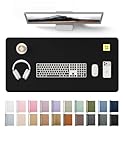

Genuine top-grain or full-grain leather desk mats are premium luxury items, typically ranging from $60 to over $150. They range in thickness from 2.0 mm to 4.0 mm, offer a distinct natural aroma, and develop a unique patina over years of use. They are heavy, often weighing between 1.5 to 3 pounds, which helps them stay firmly in place on your desk. Looking ahead to the workspace design trends of 2026, the appreciation for these heirloom-quality, natural materials continues to grow as professionals seek to soften their digital workspaces.
On the other end of the spectrum are synthetic PU leather mats, such as the YSAGi Leather Desk Protector (31.5″ x 15.8″, priced around $12.59) or the Gallaway Leather Desk Mat (36″ x 17″, priced around $29.99). These mats are much thinner (usually 1.5 mm to 2.0 mm), perfectly uniform, highly water-resistant, and significantly firmer than genuine leather. They offer a highly consistent writing surface and are incredibly easy to clean, making them a practical entry point for those curious about the material.
In practice, a leather desk mat acts as a physical buffer between your hands, your writing instruments, and your hard wooden or glass desk. It dampens the sound of typing, provides a smooth glide for your computer mouse, and creates a designated, tactile zone for analog work.
Pros
- Satisfying Tactile Give: Writing on a leather mat with a ballpoint or fountain pen feels incredibly smooth. The slight yield of the material absorbs the harsh vibration of the pen tip, reducing hand fatigue during long, multi-page writing sessions.
- Excellent Desk Protection: A large mat (such as a 36″ x 17″ model) acts as a shield for expensive wood, veneer, or glass desktops. It prevents scratches from laptops, scuffs from keyboards, and accidental ink bleed-through from reaching the desk surface.
- Aesthetic Elevation: Whether you choose a rustic dark brown genuine hide or a sleek black PU protector, a leather mat instantly anchors a workspace. It transforms a sterile desk into a warm, inviting, and professional writing station.
- Sound and Temperature Dampening: Hard wooden or glass desks can feel cold to the touch and echo loudly when you set down a coffee mug or type. Leather provides a warm resting place for your forearms and significantly muffles workspace acoustics.
- Dual-Purpose Tracking Surface: High-quality PU and genuine leather mats double as excellent mouse pads, offering consistent glide and optical tracking without the need for an unsightly neoprene pad cluttering your desk.
Cons
- The “Puncture” Risk on Single Sheets: Because leather is naturally yielding, writing on a single sheet of standard 20 lb printer paper with a sharp pencil or a 0.5 mm gel pen can easily result in the tip tearing straight through the paper. You must use a backing sheet or write inside a notebook to prevent this.
- Vulnerability to Ink and Liquids: Genuine leather is porous. If a fountain pen leaks or a cup of coffee spills, the leather will absorb the liquid, resulting in permanent stains or warping. While PU leather resists spills, cheap synthetic options can still peel or bubble when exposed to moisture over time.
- Sliding and Slippage: Many lightweight PU leather mats lack a high-friction backing. Without a suede, felt, or textured rubber underside, the mat can slide around on polished wood or glass surfaces during active, heavy-handed writing.
- Persistent Edge Curling: Because budget-friendly mats are shipped tightly rolled in cardboard tubes, they often retain memory. It can take weeks of weighting down the corners with heavy books to get a cheap PU mat to lie completely flat.
- Forearm Stickiness: In humid summer environments, resting your bare forearms on a synthetic PU leather mat can feel sticky and uncomfortable, unlike natural wool felt or highly breathable unfinished wood.
Who Should Buy It
A leather desk mat is an ideal investment for analog journalers, fountain pen enthusiasts, and professionals who do their daily writing in bound notebooks or on high-quality, heavy-weight stationery (100 GSM or higher). It is also perfect for remote workers who want to protect their home office furniture while creating a visually defined, elegant workspace that dampens the clatter of mechanical keyboards.
Who Should Skip It
You should skip a leather desk mat if your daily writing consists primarily of filling out single-sheet forms, sketching with sharp drafting pencils, or using fine-point technical pens directly on thin paper. If you are prone to keeping open ink wells or frequently spill drinks at your desk, the high maintenance of genuine leather or the potential warping of cheap PU will likely cause more frustration than it is worth.
Cheaper Alternatives
If you love the idea of a dedicated desk blotter but are concerned about the specific limitations of leather, consider these alternative materials:
| Option | Cost Range | Trade-off for Daily Writing |
|---|---|---|
| Wool / Felt Desk Pad | $15 – $50 | Incredibly soft and warm, but completely impossible to write on directly without a hard notebook backing; traps dust and pet hair easily. |
| Linoleum / Forbo Mat | $30 – $70 | Made from natural materials, offering a much firmer, highly washable writing surface, but lacks the classic, warm aesthetic of leather. |
| Clear PVC / Plastic Protector | $10 – $25 | Provides a rock-hard writing surface and total waterproof protection, but looks highly industrial, suffers from glare, and can stick to your skin. |
| Basic PU Leather (Synthetic) | $12 – $30 | Excellent water resistance and a firmer writing surface than real leather, but will not develop a patina and has a limited lifespan before peeling. |
FAQ
Can you write on a single sheet of paper directly on a leather desk mat?
It is not recommended. Because leather (especially genuine, high-quality leather) has a natural “give,” the point of your pen or pencil will sink into the material, often tearing or stretching the paper. For single sheets, always place a firm plastic writing board (shitajiki) or a heavy piece of cardstock underneath your page.
How do you clean ink stains off a leather desk protector?
If you are using a synthetic PU leather mat like the YSAGi or Gallaway, you can easily wipe fresh ink away with a damp microfiber cloth or a mild soap solution. For genuine leather, however, ink penetrates the pores quickly. You must use a dedicated leather cleaner or a specialized ink remover bar immediately, as harsh household chemicals will ruin the natural finish.
Does a leather desk mat affect optical mouse tracking?
For the vast majority of modern optical and laser mice, a leather or PU leather desk mat provides excellent, consistent tracking. However, if the leather has an incredibly glossy finish or an deeply pronounced, uneven grain texture, you may experience occasional cursor jitter during high-precision tasks like graphic design or gaming.
How do I stop a lightweight leather desk mat from sliding while I write?
If your mat slides, look for options that feature a brushed suede or natural felt backing. For existing mats that slip, you can place a thin sheet of non-slip silicone drawer liner underneath, or use small pieces of double-sided poster tape on the corners to secure it to your desktop without damaging the wood finish.


