
Setting up a highly productive home office is no longer just about choosing a desk and throwing a monitor on it. Today, remote workers, creative professionals, and gamers face a critical spatial dilemma: how to maximize limited desk real estate while maintaining flawless neck and eye ergonomics. When configuring a workstation, the real decision often comes down to how you plan to suspend or stack your screens. Do you opt for a highly flexible, floating gas spring arm, or do you choose a rock-solid, vertically oriented stackable monitor stand?
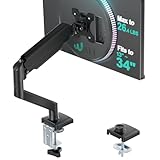
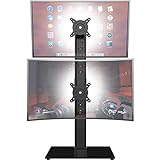
If you are setting up a clean, single-screen workstation, you might find yourself comparing highly dynamic arms like the HUANUO FlowLift™ Single Monitor Mount, 13 to 32 Inch Monitor Arm, Adjustable Monitor Stand, Vesa Mount with Clamp and Grommet Base – Fits 4.4 to 19.8lbs LCD Computer Monitors ($35.99) against traditional static risers. On the other hand, if you need a heavy-duty single-screen solution on a budget, the WALI Adjustable Single Monitor Arm for 13-34 inch Screens, up to 26.4 lbs ($25.49) offers a highly robust mechanical option. For those running dual-monitor setups, the debate shifts to vertical stacking. Should you choose a heavy-duty pole system like the Dual Monitor Stand – Vertical Stack Screen Free-Standing Monitor Riser Fits Two 13 to 34 Inch Screen with Swivel, Tilt, Height Adjustable, Holds One (1) Screen Up to 44Lbs ($31.99) or a fully articulating dual mechanical system like the HUANUO 17-32 Inch Dual Monitor Stand, Stacked Monitor Mount, Monitor Arms for 2 Monitors, Ergonomic Adjustable Tilt/Swivel/Rotate, Weight Max 19.8 lbs, VESA 75/100mm ($59.99)? Understanding the physical mechanics, long-term costs, and space constraints of your home will determine which style is the right investment for your space.
As an Amazon Associate we earn from qualifying purchases at no extra cost to you.


Top 3 picks at a glance
Quick Verdict
Choose a gas spring monitor arm if you require dynamic, effortless, on-the-fly adjustments to your monitor’s height, depth, and angle throughout the day. It is the gold standard for active sit-stand desk users who need to clear 100% of their desk surface. Choose a stackable monitor stand if you run a multi-monitor setup, have a fragile glass or hollow-core desk, prefer absolute rock-solid stability, or want a set-and-forget vertical layout that keeps your neck in a neutral, forward-facing position without taking up horizontal desk width.
Side by Side
To help you visualize the core differences, here is a breakdown of how a gas spring monitor arm vs stackable monitor stand compare across key operational categories:
| Feature | Gas Spring Monitor Arm | Stackable Monitor Stand |
|---|---|---|
| Ergonomic Comfort | Excellent; fluid, fingertip adjustments in three dimensions. | Good; fixed vertical alignment reduces neck turning, but manual adjustment is required. |
| Durability & Lifespan | Moderate; gas cylinders naturally lose pressure over 5 to 10 years. | Exceptional; solid steel and aluminum poles have no moving parts to wear out. |
| Price Range | $25 to $150+ depending on weight capacity and brand. | $30 to $100+ depending on base style and number of mounts. |
| Maintenance | Occasional tension adjustments via hex key as the gas settles. | None required after the initial manual hex-bolt tightening. |
| Desk Space Needed | Virtually zero; attaches via a compact edge clamp or grommet hole. | Small to medium; requires a heavy steel base or a vertical pole clamp. |
| Aesthetic Look | Futuristic, clean, and minimalist; monitors appear to float. | Industrial, structured, and solid; visible central support column. |
| Resale Value | Moderate; mechanical wear of the cylinder can lower long-term value. | High; metal frames remain fully functional indefinitely. |
| Best For | Active sit-stand desk users, deep desks, and single-monitor setups. | Dual-monitor users, fragile desks, and budget-conscious static setups. |
Where Gas Spring Monitor Arm Wins
The primary advantage of a gas spring monitor arm is its fluid, effortless articulation. Powered by a pressurized gas cylinder, these arms counterbalance the physical weight of your screen. This allows you to raise, lower, tilt, pan, or rotate your monitor with a gentle touch. If you share your home office desk with a partner of a different height, or if you regularly switch between sitting and standing, a gas spring arm lets you reposition your screen in under two seconds.
Additionally, gas spring arms are unmatched when it comes to reclaiming desk surface area. By clamping directly to the back edge of your desk, they suspend your monitor in mid-air. This opens up valuable real estate directly beneath your screen for keyboards, notebooks, or audio interfaces. Options like the HUANUO FlowLift™ Single Monitor Mount, 13 to 32 Inch Monitor Arm, Adjustable Monitor Stand, Vesa Mount with Clamp and Grommet Base – Fits 4.4 to 19.8lbs LCD Computer Monitors excel in this environment, offering a clean, floating aesthetic while accommodating standard-sized office displays.
For users with exceptionally deep desks (30 inches or more), a gas spring arm is highly beneficial because it allows you to pull the monitor forward toward your eyes when reading small text, and push it completely out of the way when you need physical desk space for writing or sketching. If you are mounting heavier professional-grade displays, opting for a robust arm like the WALI Adjustable Single Monitor Arm for 13-34 inch Screens, up to 26.4 lbs ensures that even larger, more substantial screens can be suspended safely without drooping.
Where Stackable Monitor Stand Wins
While gas spring arms prioritize movement, stackable monitor stands prioritize stability, vertical alignment, and structural safety. If you use two monitors, placing them side-by-side forces you to constantly turn your head left and right, which can cause severe neck fatigue over an eight-hour workday. A stackable stand solves this by mounting one monitor directly above the other. This vertical stack layout utilizes your natural vertical eye-line, reducing horizontal head rotation and keeping your neck in a neutral position.
Stackable stands are also the clear winners for desks made of fragile materials. Many modern budget desks are constructed with hollow-core paper-honeycomb interiors or thin glass tops. Clamping a highly articulated gas spring arm to these surfaces creates concentrated torque at the edge of the desk, which can easily crack glass or crush fiberboard. A free-standing stackable stand, such as the Dual Monitor Stand – Vertical Stack Screen Free-Standing Monitor Riser Fits Two 13 to 34 Inch Screen with Swivel, Tilt, Height Adjustable, Holds One (1) Screen Up to 44Lbs, uses a wide, heavy steel base to distribute the weight evenly across the desk surface, requiring zero clamping or drilling.
Furthermore, stackable stands offer superior structural stability. Because they rely on solid steel or heavy-gauge aluminum center poles, they suffer from zero “sag” over time. A heavy monitor mounted to a physical pole remains exactly where you locked it. If you want the ergonomic benefits of stacked screens but still want some independent tilt and rotation for your dual-monitor setup, a hybrid pole-and-arm system like the HUANUO 17-32 Inch Dual Monitor Stand, Stacked Monitor Mount, Monitor Arms for 2 Monitors, Ergonomic Adjustable Tilt/Swivel/Rotate, Weight Max 19.8 lbs, VESA 75/100mm provides the perfect middle ground, offering solid vertical stacking with localized joint articulation.
Cost Over 5 Years
When analyzing the total cost of ownership over a five-year period, the mechanical simplicity of your mounting hardware plays a major role in its overall value.
A gas spring monitor arm relies on a sealed chamber of pressurized gas to lift your monitor. Over several years of continuous use, these seals can slowly degrade, allowing microscopic amounts of gas to escape. While premium brands offer long warranties, budget gas spring arms may begin to lose their lifting tension around year four or five, requiring you to tighten the tension screw to its absolute limit or replace the unit entirely. If you upgrade to a heavier monitor down the road, an older, weakened gas spring may struggle to hold it up.
A stackable monitor stand, by contrast, is built with virtually indestructible materials. Solid steel poles, heavy-duty mounting collars, and cast-iron bases have no moving parts, no pressurized chambers, and no internal fluids. Whether you purchase one today or look ahead to your home office setup in 2026, a high-quality steel stackable stand will perform exactly the same way a decade from now as it does on day one. Your initial investment of $30 to $60 will require zero maintenance, zero replacement parts, and zero adjustment over five years, making it the most sustainable, buy-it-for-life option for home offices.
Which One for Your Home
Small Apartment
If you are working from a cramped studio or a multi-purpose room, a gas spring arm is incredibly valuable. It allows you to push your monitor completely flat against the wall when your desk needs to double as a dining table, craft station, or homework area. However, if you are running a dual-monitor setup in a tight space, a stackable stand is often better because it expands your digital workspace vertically rather than horizontally, preventing your screens from blocking windows or spilling over the edges of a small 40-inch desk.
Family with Kids and Pets
In a lively household where children or pets might bump into your desk, safety is the primary concern. Free-standing monitor stands with wide bases are highly stable, but a hard impact from a running pet or a curious child can tip them over. For maximum safety, you should opt for a grommet-mounted or heavily clamped system. A secure gas spring arm clamped tightly to a solid wood desk—or a stackable stand bolted directly through a grommet hole—ensures your expensive monitors cannot be accidentally knocked to the floor.
Rental
If you are renting your home, you want to avoid damaging leased furniture or drilling holes into walls. Many landlords prohibit drilling grommet holes through built-in desks. A free-standing stackable stand is the ultimate rental-friendly choice because it sits quietly on top of the desk surface without leaving clamp marks, scratches, or structural indentations on the edges of the desk.
Long-Term Home
For those who own their home and have invested in a high-quality, solid wood standing desk, a premium gas spring monitor arm is the ideal choice. It offers a luxurious, high-tech experience, allowing you to route all of your power and display cables neatly through integrated plastic channels. This creates a clean, minimalist, floating appearance that elevates the entire design of your dedicated home office.
FAQ
Do gas spring monitor arms wear out over time?
Yes. Because they rely on pressurized gas cylinders to offset the weight of your screen, these cylinders will slowly lose pressure over several years of frequent adjustment. However, most high-quality arms allow you to compensate for this natural wear by tightening the tension screw with an Allen wrench.
Can I mount two different-sized monitors on a stackable stand?
Yes. Stackable stands allow you to slide the mounting brackets independently up and down the vertical center pole. This makes it incredibly easy to mount a smaller 24-inch monitor directly above a larger 34-inch ultrawide screen, keeping them perfectly aligned.
Are gas spring arms safe to use on glass or cheap particle board desks?
Generally, no. Gas spring arms concentrate a massive amount of clamping force and rotational torque on a very small section of your desk’s edge. This can easily shatter tempered glass or crush hollow-core fiberboard desks. If you have these desk types, a free-standing stackable stand with a wide, weight-distributing base is a much safer option.
How do I know if my monitor is compatible with these mounts?
To use either a gas spring arm or a stackable stand, your monitor must have a VESA-compliant hole pattern on the back (typically 75x75mm or 100x100mm square screw configurations). Additionally, you must verify that your monitor’s weight falls within the minimum and maximum load limits of the specific mount you choose.


