
When your desk pulls double duty for work and play, one question comes up fast: buy a racing-style gaming chair or a proper ergonomic office chair? They look different and market to different crowds, but underneath they solve the same problem in opposite ways. The right pick depends on how you sit and for how many hours a day.
As an Amazon Associate we earn from qualifying purchases at no extra cost to you.


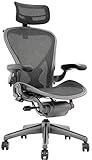
Top 3 picks at a glance
The core design difference
Gaming chairs borrow the bucket seat from motorsport: a tall backrest, prominent side bolsters, and included lumbar and neck pillows. Ergonomic office chairs prioritize adjustability and posture over looks, with contoured backs, synchro-tilt, and often mesh. One is built around a bold aesthetic; the other around biomechanics. Both can be comfortable, but they get there differently.
Head-to-head
| Factor | Gaming chair | Ergonomic office chair |
|---|---|---|
| Posture support | Good with pillows | Excellent, built-in |
| Breathability | Often PU leather, warm | Frequently mesh, cool |
| Adjustability | Recline + armrests | Recline, seat depth, lumbar depth, more |
| Recline range | Up to 135-180 deg | Usually to ~135 deg |
| Price for quality | $150-450 | $250-1200+ |
| Style | Bold, sporty | Neutral, office |
Where gaming chairs win
Reclining and lounging
Gaming chairs recline further, often to a near-flat 160 to 180 degrees, which is genuinely nice for breaks, watching video, or leaning back between matches. The included neck and lumbar pillows also give instant support without dialing in settings, so they feel good out of the box.
Value and looks
Dollar for dollar, a $250 gaming chair often feels more substantial and looks more exciting than a $250 office chair, which matters if aesthetics are part of the appeal and the chair sits in a room where you spend your leisure time.
Where ergonomic office chairs win
Eight-hour posture
For long typing days, built-in adjustable lumbar, seat-depth sliders, and synchronized tilt keep you upright without relying on a pillow that slides out of place. The bucket seat’s flat pan can actually hurt over a full workday, whereas a waterfall-edge office seat relieves pressure behind the knees and encourages a healthier hip angle.
Staying cool
Mesh office chairs breathe far better than PU leather gaming shells, a real advantage in a warm room across an 8-hour stretch when heat buildup becomes fatigue.
How to decide by your usage split
Be honest about the ratio. If you spend 80 percent of your chair time working and 20 percent gaming, buy the office chair; your back will thank you across those long days, and it still reclines enough to relax. If the split flips and gaming, streaming, and lounging dominate, the gaming chair’s deeper recline and pillows serve you better. For a true 50-50 split, look at high-end gaming chairs with adjustable lumbar and 4D armrests, which close most of the ergonomic gap while keeping the recline and style.
FAQ
Which is better for back pain?
An ergonomic office chair with adjustable lumbar depth is usually the safer choice for existing back issues, because you can tune support to your spine rather than relying on a fixed bolster and a pillow.
Can a gaming chair be ergonomic?
Yes, higher-end gaming chairs with adjustable lumbar mechanisms, 4D armrests, and seat depth can be very ergonomic. The racing shape is not automatically bad; cheap fixed versions are the ones that cause trouble.
Bottom line
If you mostly game and love to recline, a quality gaming chair delivers style, value, and a great lounge angle. If you work eight hours at that desk, an ergonomic office chair’s adjustability and breathability protect your back and keep you cooler. Match the chair to your real work-play split rather than the marketing.


